

Forget the myths and endless protein shakes. Strength coaches explain exactly how much protein you need to maximise muscle growth, why timing matters and the easiest way to hit your daily target
Ask a group of gym-goers how much protein you need to build muscle, and you’ll probably get ten (maybe 15) different answers. Some swear by a protein shake after every workout, while others are convinced you need to eat chicken breast with every meal – and then some.
The truth sits somewhere in the middle. If you want to maximise muscle growth, knowing how much protein you actually need is one of the most important things to get right.
Why Protein?
Protein provides the amino acids your muscles need to recover, repair and build after training. But despite its importance, many men still aren’t eating enough of it.
“Protein is one of the most important nutrients for building and maintaining muscle,” says Celebrity Strength Coach and Personal Trainer Michael Baah. “As we age, our muscles become less responsive to smaller doses of protein, which means we often need slightly more to stimulate muscle protein synthesis effectively.”
How Much Protein Do You Need?
“For most guys looking to build muscle, the sweet spot is somewhere around 0.7 to 1 gram of protein per pound of bodyweight per day,” says Jose Guevara, Fitness Instructor and Founder of ShreddedDad.com.
So if you’re a 180-pound man, you’re aiming for roughly 130 to 180g of protein daily, which is pretty simple maths. And to help you hit this, “I tell the guys I train to keep it simple,” explains Guevara. “A palm-sized portion of protein at every meal, plus a snack like Greek yoghurt or a shake, and before you know it, you’ll hit the range without living by a spreadsheet.”
Research backs this up. Most studies suggest that around 1.6g of protein per kilogram of bodyweight is enough to maximise muscle growth for most people.
But hitting your daily target isn’t the whole story. Timing matters too. Spreading your protein across the day appears to stimulate muscle protein synthesis more effectively than eating most of it in one meal.
Start The Day Right
“I recommend consuming around 30g of protein within the first hour of waking,” says Baah. “This helps stimulate muscle protein synthesis and increases the amount of energy your body uses during digestion, effectively helping to kickstart your metabolism for the day.”
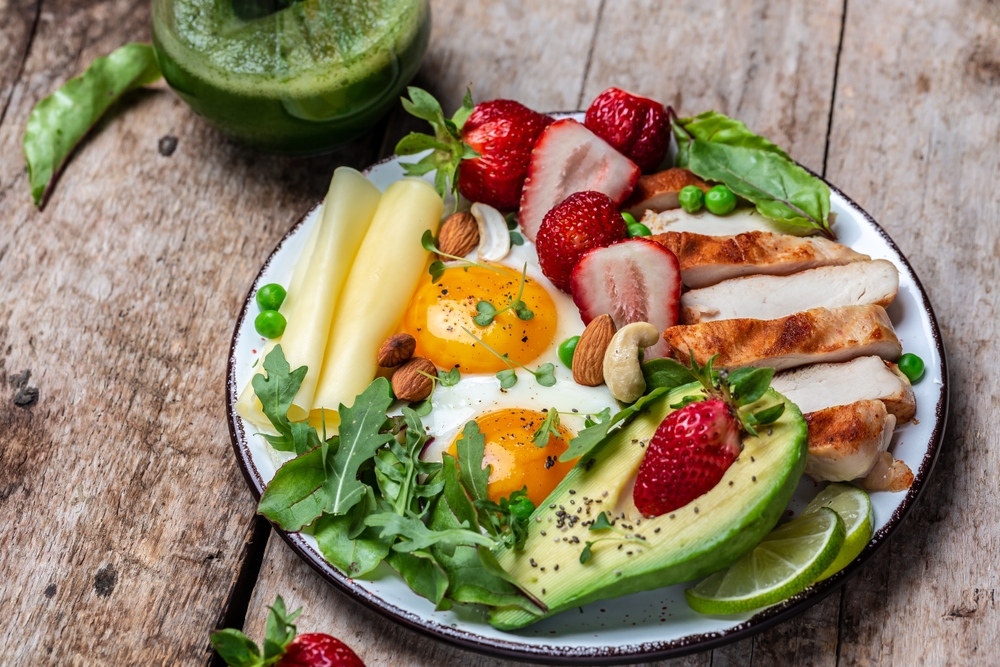
One of the biggest mistakes men make is saving the majority of their protein for dinner. Instead, include a good source of protein at breakfast, then make sure lunch and dinner contain protein too. Spreading your intake more evenly across the day gives your muscles a regular supply of amino acids to support recovery and growth.
Why Protein Matters For More Than Just Muscle
Protein isn’t just important for building muscle. It can also support weight management and help improve body composition.
Unlike carbohydrates and fats, protein requires more energy to digest and process. This is known as the thermic effect of food (TEF), meaning your body burns slightly more calories digesting protein than it does other nutrients.
Protein may also help regulate appetite by increasing levels of peptide YY (PYY), a hormone associated with feelings of fullness. Put simply, higher-protein meals tend to keep you satisfied for longer, making it easier to stick to your nutrition goals.
Research published in the American Journal of Clinical Nutrition also found that people consuming between 1.2 and 1.6g of protein per kilogram of bodyweight during weight loss retained significantly more muscle than those eating lower amounts. As we well know, there’s a fine balance between wanting to lose body fat while preserving hard-earned muscle.
What 130-180g Of Protein Actually Looks Like
Meal 1
Greek yoghurt & berry bowl
- 200g 5% Greek yoghurt
- 100g mixed berries
- 100g low-fat cottage cheese
- 1 tbsp honey
- 1 tbsp flaxseeds
460 kcal | 35g protein
Meal 2
Scrambled egg whites & smoked salmon
- 200g egg whites
- 100g smoked salmon
- 100g spinach
- 1 slice of sourdough bread
- 3 Brazil nuts
454 kcal | 47g protein
Meal 3
Ribeye steak & potatoes
- 200g ribeye steak
- 200g roasted potatoes
- 150g green beans
600 kcal | 50g protein

Meal 4
Protein pancakes
- 1 scoop whey protein
- 1 banana
- 2 egg whites
- 40g oats
- 1 tbsp almond butter
488 kcal | 40g protein
Total 2002 calories and 172g protein
Can You Have Too Much Protein?
“For a healthy guy, it’s pretty hard to eat a genuinely ‘dangerous’ amount of protein,” explains Guevara. “The idea that high protein wrecks your kidneys is one of the most persistent myths in fitness, and it simply doesn’t hold up for anyone with normal kidney function.
“That said, there’s a clear point of diminishing returns. Once you’re past roughly 1g per pound of bodyweight, piling on more isn’t buying you extra muscle. Your body can only put so much towards building tissue. So ‘too much’ is less about danger and more about waste. My advice is to nail your target, then stop chasing more, and spend the rest of your appetite on the foods that round out your nutrition.”
Putting Protein Into Practice
Protein is one of the most important nutrients for building muscle. It can also help support blood sugar regulation and keep cravings at bay – but getting your daily dose is more than knocking back endless protein shakes or eating chicken with every meal. For most men, consistently hitting your daily protein target, spreading it across the day and pairing it with regular strength training is enough to maximise muscle growth. Focus on the basics, stay consistent and let the results take care of themselves.