
The idea that you have just 30 minutes to maximise muscle growth has become gym folklore. But the latest evidence suggests your total daily protein intake – not perfect timing – is what really counts
PICS: Shutterstock
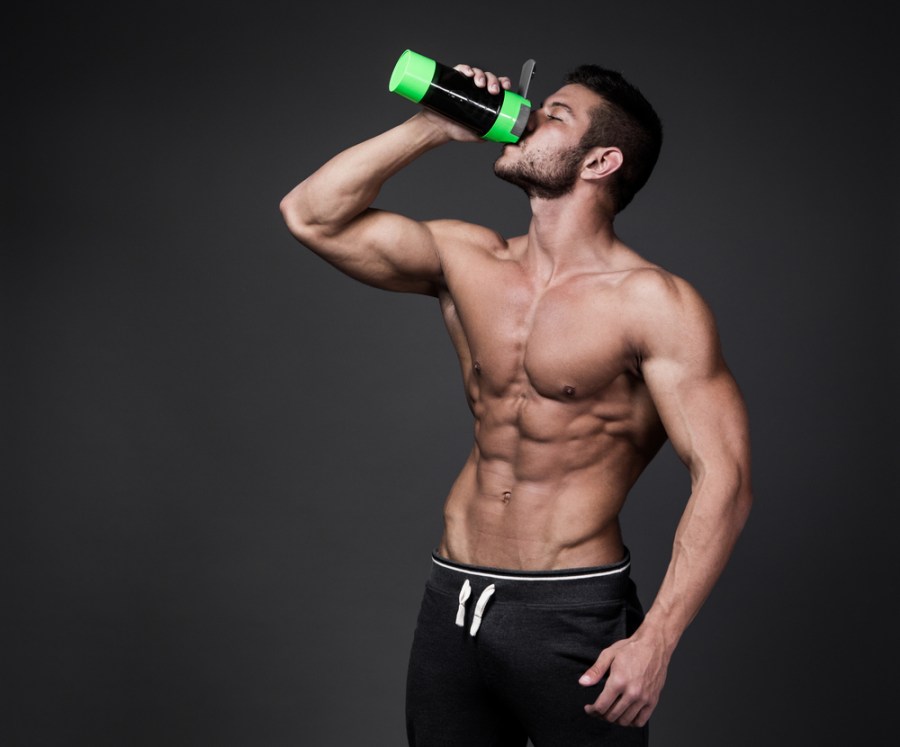
You finish your last set, you’re still catching your breath, and somewhere in the back of your mind a clock begins to tick: thirty minutes and counting. That’s the narrow window of time within which, supposedly, a hit of protein must be consumed, or the session isn’t as effective as it could have been.
It’s one of fitness culture’s most persistent beliefs, but science has been dismantling it for years.
The idea of a post-exercise ‘anabolic window’ — a brief period after training in which muscles are primed to absorb protein and kick off recovery — has been around since at least the golden era of bodybuilding.
On the surface, the logic holds up, as resistance exercise damages muscle fibres, depletes glycogen and elevates muscle protein synthesis rates.
Get amino acids in quickly, the theory goes, and you supercharge this adaptation. Miss the window, however, and you’ve potentially left gains on the table.
The problem is that the evidence for a 30- to 60-minute hard deadline has never been particularly solid. Here’s why.
Food for thought
The most cited challenge to the anabolic window came from a 2013 meta-analysis, published in the Journal of the International Society of Sports Nutrition. Pooling 23 randomised controlled trials involving 525 subjects, it found no significant timing effect on hypertrophy or strength when total daily protein intake was controlled for.
Crucially, studies that had appeared to show a timing benefit turned out to have unmatched protein intakes between groups. It became clear that the timing advantage was largely a total protein advantage in disguise.
A 2024 study in Frontiers in Nutrition reinforced this, comparing two groups of resistance-trained men eating the same total daily protein but at different times relative to workouts. There were no statistically significant differences in muscle mass or performance. The researchers described total daily protein intake as “unquestionably the most crucial determinant” of exercise-induced muscle growth.
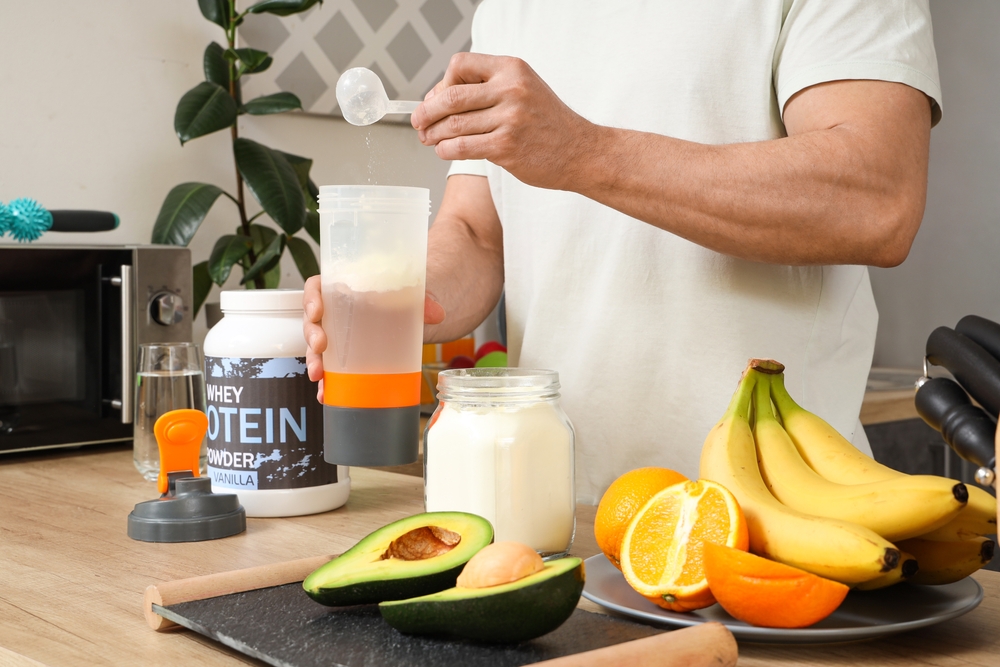
What this doesn’t mean, though, is that timing is entirely irrelevant. It means it’s a secondary concern — something to optimise once the basics are in place, not a rule to panic about.
How long does the ‘window’ actually last?
Evidence now suggests the anabolic window extends to five or six hours surrounding a training session, not the 30-to-60 minutes that gym lore insists upon. If you trained in a fed state — having eaten a protein-containing meal within three to four hours beforehand, for example — the window is even wider.
The amino acids from that pre-workout meal are still circulating, still available to and ready to repair muscle tissue, long after you’ve racked the bar and hit the showers.
A 2023 Maastricht University study pushed this understanding one rep further. Using isotope tracers to track protein digestion and incorporation at the muscle level, the researchers found that the anabolic response to protein ingestion has no meaningful upper limit in magnitude or duration.
A 100g dose of protein produced a greater and more prolonged anabolic response — lasting beyond 12 hours — than a 25g dose. The body, in other words, is considerably more patient and capable than the 30-minute rule suggests.
So when should you actually have your shake?
The honest answer: whenever it fits. The most consistent finding across the research is that total daily protein intake is the primary driver of muscle growth, not precisely when you consume it.
Getting enough protein — distributed across your meals, in whatever rhythm suits your schedule — is what matters. If you’re eating a normal meal pattern, you’re likely already consuming protein a couple of hours before and after your workout anyway.
The exception worth noting, however, is if you train fasted. When exercise occurs in a fasted state, the anabolic window does narrow considerably — so a post-workout shake in that scenario carries more weight than it does for someone who had eggs and Greek yoghurt two hours before hitting the gym floor.
As for everyone else, if you enjoy a shake immediately after training, keep doing it. If the idea of choking down protein powder while still sweating is unappealing, or if life simply doesn’t accommodate it, the evidence says you haven’t sabotaged anything.
Hit your daily protein target — somewhere in the region of 1.6g-2g per kilogram of bodyweight is where the research consistently lands — and your muscles will take care of themselves.