
Forget the number of candles on your birthday cake. Scientists now believe your biological age – how old your body really is – is a far better predictor of future health than your date of birth. The good news? It’s something you can influence
You’re 54 years old. Or perhaps you’re 48. Maybe 63. Either way, your birth certificate only tells part of the story.
Inside your body, every organ, muscle, blood vessel and cell is ageing at its own pace. While two men may have been born on exactly the same day, one could have the cardiovascular fitness, muscle strength and metabolic health of someone 15 years younger, while the other may already be showing signs of accelerated ageing.
That’s the difference between chronological age and biological age.
It’s one of the hottest topics in longevity science, fuelled by everyone from Silicon Valley biohackers to elite athletes. But unlike many wellness trends, there’s genuine science behind it.
Researchers are increasingly finding that biological age can predict future health more accurately than the number of birthdays you’ve celebrated. The catch? Measuring it isn’t quite as simple as buying a home testing kit.
So what is biological age?
Chronological age is fixed. Biological age isn’t.
It reflects how well your body is functioning compared with what’s typical for someone your age. Factors such as genetics play a role, but lifestyle has an enormous influence too, with exercise, sleep, diet, stress, smoking and body composition all affecting how quickly—or slowly—you age. Recent reviews suggest that physical activity is one of the most consistent lifestyle factors associated with slower biological ageing, although scientists are still refining exactly how best to measure it.
The latest generation of “ageing clocks” uses sophisticated techniques such as DNA methylation—tiny chemical tags attached to your DNA—to estimate biological age. These epigenetic clocks are powerful research tools, but experts caution that they’re not yet accurate enough for making personal medical decisions on their own.
That means the smartest approach isn’t chasing a single number. Instead, focus on the physical markers that consistently predict long-term health.
1. Your VO₂ max
If there were a single measure that longevity researchers would choose, many would pick VO₂ max.
It measures how efficiently your body uses oxygen during exercise and reflects the health of your heart, lungs and muscles.
Higher VO₂ max scores are consistently associated with lower risks of cardiovascular disease and premature death, regardless of age. Researchers have also found links between better cardiorespiratory fitness and younger biological ageing profiles.
Improve it by:
- Two weekly HIIT sessions
- Regular Zone 2 endurance training
- Maintaining a healthy body weight
2. Your grip strength
It sounds almost too simple.
Yet grip strength has emerged as one of the strongest indicators of healthy ageing.
Why? Because it reflects far more than forearm strength. Low grip strength is associated with reduced muscle mass, frailty and poorer long-term health outcomes.
Some of the newest biological-age models now incorporate grip strength alongside other functional measures because of its predictive power.
Improve it by:
- Deadlifts
- Farmer’s carries
- Pull-ups
- Hanging from a bar
- Heavy dumbbell work
3. Your waist measurement
BMI has limitations.
Waist circumference tells a more useful story.
Carrying excess fat around the abdomen increases inflammation and raises the risk of type 2 diabetes, cardiovascular disease and metabolic dysfunction—all processes linked with accelerated biological ageing. Lifestyle factors that reduce visceral fat also appear to slow biological ageing.
Aim to keep your waist below half your height.
4. Your balance
Can you stand on one leg for 30 seconds?
It sounds like something from a PE lesson, but balance is emerging as an important marker of healthy ageing because it reflects muscle strength, coordination and nervous system function.
A 2026 comparison of ageing biomarkers found that standing balance, muscle mass and epigenetic measures together predicted mortality almost as well as much larger panels of tests.
5. Your walking speed
One of the simplest assessments doctors perform is also one of the most revealing.
Walking speed reflects the combined health of your cardiovascular system, muscles and nervous system.
Slowing down with age isn’t inevitable—and maintaining a brisk walking pace is consistently associated with healthier ageing.
Should you buy a biological age test?
There’s no shortage of companies promising to reveal your “true age” using a saliva or blood sample.
Many use epigenetic clocks, which are among the most promising tools in ageing research. But scientists also warn against treating the result as absolute truth. Different tests can produce different answers, and although they’re excellent for research, they haven’t yet reached the point where they should dictate individual health decisions.
In other words, don’t panic if a test tells you you’re five years older than your passport suggests.
It’s far more useful to monitor the things you can actually change.
The habits that really matter
The encouraging news is that the same behaviours known to improve health also appear to support healthier biological ageing.
The evidence is strongest for:
- Regular strength training
- Aerobic exercise
- Eating plenty of whole foods
- Maintaining a healthy weight
- Prioritising sleep
- Not smoking
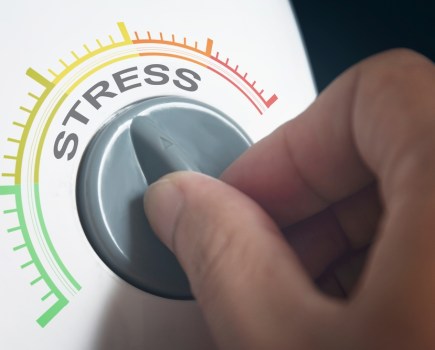
- Managing stress
- Staying socially connected
Even relatively modest interventions can make a measurable difference. One recent trial found that a combination of regular exercise, omega-3 supplementation and vitamin D modestly slowed biological ageing as measured by epigenetic clocks, although the changes were small and more research is needed.
The Men’s Fitness verdict
Biological age is one of the most exciting areas in modern health science – but it’s also one of the easiest to overhype.
Forget expensive tests for now. If your fitness is improving, your waistline is shrinking, your strength is increasing, you’re sleeping well and your heart and lungs are getting fitter, the odds are you’re moving your biological age in the right direction.
And unlike your passport, that’s a number you still have the power to change.