


The choices you make now will define how you look, feel and perform in your 50s, 60s and beyond. Science says the window is open – here’s how to use it
01–12 Training & Movement
1. Know your VO2 max – and actually train it VO2 max has been described as “the most powerful independent predictor of all-cause mortality’. Moving from the bottom 25% to average cuts your risk of dying early by around 50%. It peaks around age 20–25 then drops roughly 10% per decade if you do nothing – so building your aerobic engine now is among the highest-return things you can do. One to two Zone 4–5 interval sessions per week is all it takes to move the needle.
2. Put Zone 2 cardio at the heart of your week Zone 2 – roughly 60–70% of max heart rate, where you can hold a conversation but only just – is the foundation of cardiovascular fitness. It builds mitochondrial density, improves metabolic health and supports fat oxidation. Aim for 150+ minutes a week across running, cycling, rowing or swimming. The 80/20 rule is your guide: 80% easy, 20% hard.
3. Lift weights – twice a week, minimum Men begin losing lean muscle mass from their 30s onwards, a process that accelerates sharply in the 40s. Strength training counteracts this, preserving not just muscle but bone density and metabolic rate. Compound lifts – squats, deadlifts, rows, overhead press – deliver the biggest returns. Aim for two to three sessions per week with enough load to make the last few reps genuinely hard.
4. Test your grip strength Grip strength isn’t just a party trick – it’s a clinically validated marker of overall muscular health, cardiovascular risk and longevity. A weaker-than-average grip in midlife predicts higher rates of heart disease, stroke and early death. Farmer carries, dead hangs and heavy pulling movements all build it. Consider getting a baseline dynamometer reading from your GP or a physio.

5. Train your posterior chain relentlessly The muscles running up your back – glutes, hamstrings, erectors, upper back – are what keep you upright, pain-free and powerful into old age. Most men over-train their “mirror muscles” (chest, biceps) and under-train everything behind them. Deadlifts, Romanian deadlifts, hip thrusts, rows and face-pulls deserve equal billing.
6. Nail a daily mobility routine Joint stiffness creeps in earlier than most men expect. A 10–15 minute morning mobility circuit targeting hips, thoracic spine and ankles dramatically reduces injury risk and keeps compound lifts effective. It also counters the effects of desk-based work, which physically shortens hip flexors and rounds the upper back. Think of it as maintenance – the cost of not doing it rises sharply after 40.
7. Add yoga or Pilates to the rotation Flexibility, core stability and breath control are the training variables most men ignore – until injury forces the issue. Yoga and Pilates improve balance, reduce fall risk and cut the likelihood of lumbar disc injuries that increasingly sideline men in their 40s. Even one session a week makes a measurable difference to performance and recovery.
8. Always warm up properly – every single time Tendons and connective tissue are less forgiving in your 30s and 40s than they were at 22. A 5–10 minute dynamic warm-up that activates the muscles you’re about to use reduces injury risk sharply. The ego cost of warming up is zero. The cost of six weeks off with a torn hamstring is not.
9. Do the fitness tests every man in his 40s should pass Can you do 10 consecutive pull-ups? Hold a plank for two minutes? Complete a 1.5-mile run in under 12 minutes? Get up from the floor without using your hands? These aren’t vanity metrics – they’re functional markers of strength, endurance and balance that predict how well you’ll age. Failing one is information, not embarrassment: it shows you exactly where to direct effort.
10. Get a wearable that tracks your heart rate variability (HRV) HRV – the variation in time between heartbeats – is one of the best daily readouts of recovery, stress load and cardiovascular health. Devices like the Garmin Fenix 8, Oura Ring or Whoop track it overnight. Trending downward after heavy training weeks or poor sleep? Pull back. HRV turns recovery from guesswork into data.
11. Learn to periodise – not just grind Smashing the same workout week after week is a recipe for stagnation and injury. Periodisation – deliberately cycling training intensity and volume across weeks and months – consistently outperforms random effort. Build phases, peak phases, deload weeks. Your body responds to structure, not just sweat.
12. Find exercise you actually enjoy Consistency beats optimisation every time. The best workout is the one you’ll keep doing. Whether it’s five-a-side, open-water swimming, trail running or Brazilian jiu-jitsu, physical activity you look forward to is infinitely more valuable than a programme you abandon by February.

13–24 Nutrition & Fuelling
13. Shift towards a Mediterranean diet Consistently ranked the number one diet for both weight management and overall health, the Mediterranean diet is anti-inflammatory, heart-protective and sustainable. Centred on vegetables, legumes, whole grains, fish, olive oil and moderate amounts of lean meat and dairy, it directly lowers risk of heart disease – the leading cause of death in men – as well as type 2 diabetes and cognitive decline.
14. Prioritise protein – more than you think you need As muscle protein synthesis declines with age, dietary protein becomes more important, not less. The evidence suggests men in their 40s should aim for at least 1.0–1.2g per kg of bodyweight daily, spread across meals. Chicken, fish, eggs, Greek yoghurt and legumes are your workhorses. Failing to hit this number accelerates muscle loss and slows recovery.
15. Cut the added sugar – decisively Excess refined carbohydrates and added sugars suppress testosterone levels, drive visceral fat gain and raise the risk of type 2 diabetes and cardiovascular disease. The American Heart Association recommends capping added sugar at 36g per day for men. Sodas, fruit juices, breakfast cereals and sauces are often the worst offenders – read labels.
16. Eat more fibre – far more Only around 5% of men get the recommended 25–38g of daily fibre. That’s a significant gap, because fibre supports healthy gut microbiome diversity, regulates blood pressure, lowers cholesterol and reduces the risk of colorectal cancer – one of the most common cancers in men. Adding a daily cup of non-starchy vegetables and swapping to whole grains are the easiest starting points.
17. Know your omega-3 status Omega-3 fatty acids found in oily fish such as salmon and mackerel are linked to cardiovascular health, reduced inflammation and cognitive function. If you’re not eating oily fish two to three times a week, a quality fish oil supplement is a low-risk, potentially high-reward addition – particularly relevant as heart disease risk begins to climb in your 40s.
18. Hydrate with intention The average man needs around 3.7 litres of fluid daily – more when training. Dehydration undermines performance, concentration and hormone regulation at levels you may not even register as thirst. Start the day with 500ml of water before coffee. Keep a bottle visible at your desk. It sounds basic because it is – and most men still don’t do it.
19. Moderate alcohol – seriously Alcohol disrupts testosterone production, fragments sleep architecture, drives calorie surplus and stresses the liver. The evidence for any health benefit from moderate drinking has been significantly walked back by recent research. That doesn’t mean total abstinence – but it does mean being honest about how much you’re actually consuming and what it costs you.
20. Meal prep Sunday Decision fatigue is the enemy of good nutrition. When you’re exhausted at 7pm on a Tuesday, you’ll reach for whatever requires the least effort. Cooking protein sources, grains and vegetables in one weekly session removes that friction entirely. It doesn’t require a meal-prep obsession – just a few hours and a decent set of containers.
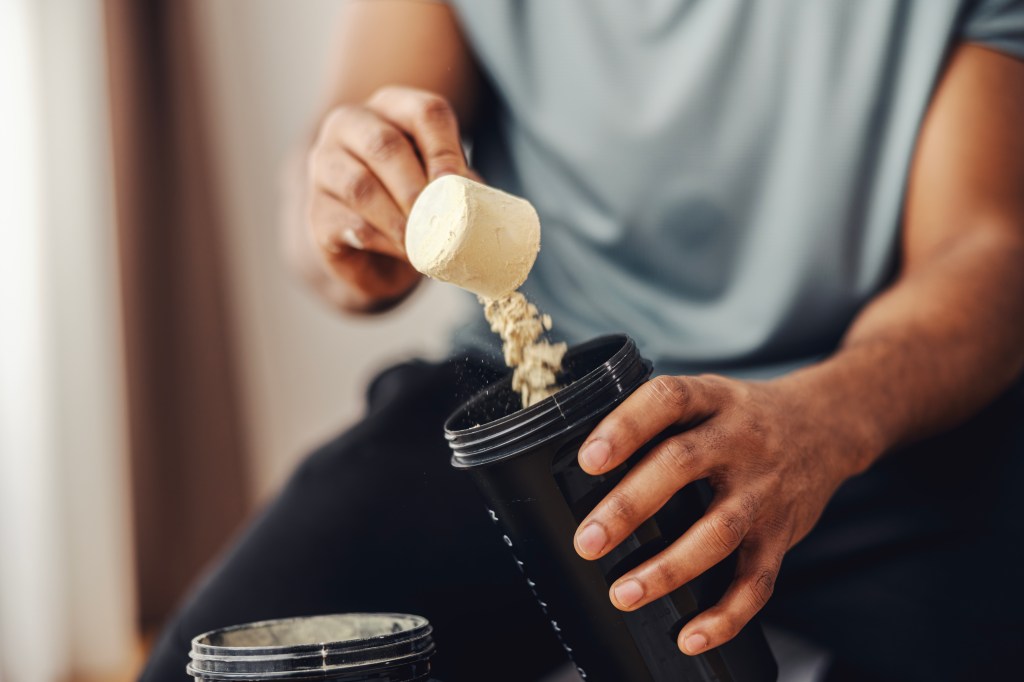
21. Take creatine monohydrate Creatine is the most researched supplement in existence, with a strong evidence base for supporting muscle strength, power output and recovery. For men over 40 it takes on additional significance: it helps counter sarcopenia (age-related muscle loss), and emerging research suggests cognitive benefits too. 3–5g daily is the standard dose. It’s cheap, safe and effective.
22. Get your vitamin D levels checked Vitamin D deficiency is widespread – particularly in the UK – and affects bone density, immune function, testosterone production and mood. Sunlight synthesis becomes less efficient with age. A simple blood test tells you where you stand; most men in northern latitudes benefit from 1,000–4,000 IU of D3 daily through the winter months.
23. Consider magnesium Magnesium is involved in over 300 biochemical processes including muscle function, sleep quality, nerve health and blood pressure regulation. Many men are deficient without knowing it – symptoms include poor sleep, muscle cramps and fatigue. A magnesium glycinate supplement is well tolerated and inexpensive. Take it before bed.
24. Skip the testosterone booster supplements Save your money. Despite bold marketing, over-the-counter testosterone boosters have little credible evidence behind them. The far more effective approach is fixing the lifestyle factors that actually suppress testosterone: chronic stress, poor sleep, excess alcohol, visceral fat and sedentary behaviour. Address those and the hormonal environment improves naturally.
25–30 Sleep & Recovery
25. Treat sleep as a performance variable, not a luxury Most testosterone is released during sleep – particularly during REM. Chronic sleep deprivation suppresses testosterone, elevates cortisol, impairs memory consolidation, drives weight gain and raises cardiovascular risk. The National Sleep Foundation recommends 7–9 hours for adults. Protecting that window is not laziness – it’s science.
26. Get screened for sleep apnea Obstructive sleep apnea – where breathing repeatedly stops during sleep – is far more prevalent in men aged 40–60 than in any other group. It fragments sleep architecture, tanks testosterone, raises blood pressure and dramatically increases heart disease risk. If your partner reports snoring or you wake unrefreshed regardless of hours slept, push your GP for a referral. It is treatable.
27. Cut screens an hour before bed Blue light suppresses melatonin production, delaying sleep onset and reducing deep sleep quality. One man who implemented a hard phone cut-off at 8pm reported his recovery scores and focus doubled within weeks. It requires discipline but zero cost. The news and the scroll will still be there in the morning.

28. Make your bedroom a sleep environment Temperature, darkness and quiet are the three levers: cool (around 17–19°C is optimal for most people), blackout curtains or a sleep mask, and removing anything that signals wakefulness. Your bedroom should signal to your nervous system that sleep is safe and imminent – not serve as a second living room.
29. Periodise your recovery, not just your training Elite coaches are increasingly advocating for “periodised recovery” – deliberately lighter weeks built into training blocks, particularly during stressful seasons of life. Attempting to maintain peak training intensity when work, family or stress loads are high leads to cumulative fatigue and stagnation. Permission to back off is a performance strategy.
30. Invest in recovery tools that actually work Not all recovery tools are equal. Foam rollers, massage guns and contrast bathing (hot/cold) have good evidence behind them for reducing muscle soreness and improving circulation. Prioritise sleep and nutrition first; tools are supplements to that foundation, not substitutes.
31–38 Health Checks & Screening
31. Actually go to your GP – annually Men are significantly less likely than women to attend routine medical appointments, often until a crisis forces the issue. An annual check that covers blood pressure, cholesterol, blood glucose, BMI and a basic blood panel takes 30 minutes. The conditions most likely to kill you – heart disease, type 2 diabetes, hypertension – are largely symptomless until they’re not. Find them early when they’re still reversible.
32. Know your blood pressure number Hypertension is known as the silent killer for a reason: there are no symptoms. Yet it significantly raises the risk of heart attack and stroke. Normal is 120/80mmHg or below. Many pharmacies offer free checks. If it’s elevated, lifestyle changes – reduced salt, regular cardio, less alcohol – can bring it down before medication becomes necessary.
33. Get a cholesterol and lipid panel Beyond total cholesterol, ask for a breakdown: LDL (the problematic particle), HDL (protective) and triglycerides. The ratio matters more than the headline number. Cardiovascular disease starts developing silently in your 40s. Knowing your lipid profile gives you a decade-long opportunity to optimise it through diet, exercise and – if needed – medical intervention.
34. Book a bowel cancer screening Colorectal cancer is one of the most common – and preventable – cancers in men. In the UK, the NHS bowel cancer screening programme invites men from age 50, but if there’s family history or you have symptoms (blood in stool, persistent bowel changes), push for earlier screening. When caught early, survival rates exceed 90%.
35. Understand your prostate cancer risk One in eight men will be diagnosed with prostate cancer in their lifetime. The PSA blood test is imperfect but offers a useful baseline – particularly if you’re over 45, of Black African or Caribbean heritage (where risk is higher) or have a family history. Discuss the merits and limitations with your GP and make an informed decision together.
36. Check your skin every few months Skin cancer is the most common cancer overall, and men are more likely to ignore suspicious moles. Using the ABCDE rule (Asymmetry, Border, Colour, Diameter, Evolution), do a monthly self-check and ask your GP to examine any mole that has changed. Sun protection isn’t optional if you train outdoors.
37. Have your testosterone levels measured Testosterone declines at roughly 1% per year from age 30. By your mid-40s that cumulative drop can produce real symptoms – fatigue, reduced libido, mood changes, loss of muscle. A simple blood test gives you your baseline. The important caveat: symptoms of low testosterone overlap heavily with depression, sleep apnea and obesity – so address those lifestyle factors first before assuming the cause is hormonal.
38. Get a vision and hearing test Both decline gradually and imperceptibly. Hearing loss in particular is strongly linked to social isolation and, subsequently, cognitive decline – yet men routinely ignore it for years. An audiologist can fit modern, near-invisible hearing aids if needed. Vision checks can catch glaucoma and macular degeneration early, when treatment is most effective. Book both every two years.
39–44 Mental Health & Stress
39. Take stress seriously – it is physiologically destructive Chronic stress elevates cortisol, which suppresses testosterone, impairs sleep, raises blood pressure, increases visceral fat and damages immune function. It’s not a character failing – it’s a medical issue. Identifying your main stress drivers and actively managing them is one of the highest-leverage health interventions available.
40. Consider therapy before you need it Men are significantly less likely to seek mental health support – and significantly more likely to die by suicide. Persistent mood changes, loss of interest in life, increased irritability or feelings of flatness that won’t shift are not signs of weakness: they are symptoms, and they respond to treatment. Talking to a therapist is not a last resort. Done early, it’s preventive medicine.
41. Build a genuinely restorative practice Burnout affects the majority of working men. Your nervous system was built for rhythm, not relentless output. Whether it’s meditation, time in nature, reading or a genuine digital sabbath – identify what genuinely resets you and protect time for it with the same seriousness you give your training calendar.
42. Invest in your male friendships Social isolation is as damaging to long-term health as smoking 15 cigarettes a day, according to a major meta-analysis. Male friendships tend to be activity-based and are easily casualties of busy life. The research on longevity is unambiguous: strong social bonds are among the most powerful protective factors against disease and early death. Schedule the five-a-side. Make the phone call. Turn up.
43. Disconnect from technology – regularly Constant connectivity keeps the nervous system in a low-grade state of alertness that is physiologically costly. Scheduled digital downtime – whether a tech-free morning, a weekend without social media or a proper holiday without email – measurably improves cortisol levels, sleep quality and subjective wellbeing. The grind isn’t a badge of honour; it’s a liability.
44. Find your purpose – it’s a longevity variable Research on the world’s Blue Zones – the populations with the highest concentrations of centenarians – consistently identifies a strong sense of purpose as a key shared trait. Men who have a clear reason to get up in the morning have better health outcomes across the board. Career, family, community and creative work all count. Midlife is a natural moment for honest reflection.
45–50 Lifestyle & Longevity Habits
45. Never sit for more than 45 minutes without moving Prolonged sitting independently raises cardiovascular risk – even in men who exercise regularly. Long periods of inactivity slow circulation, raise blood glucose and reduce metabolic activity in ways that exercise later in the day doesn’t fully reverse. Set an hourly timer. Stand, walk, stretch. This is non-negotiable for desk workers.
46. Get 10 minutes of morning sunlight Morning light exposure anchors your circadian rhythm, improves sleep onset at night and supports vitamin D synthesis. Research also suggests daily sun exposure helps reduce prostate cancer risk. Step outside within an hour of waking – no sunglasses, no glass in the way – even on overcast UK mornings the lux levels are sufficient to set your biological clock.

47. If you smoke – stop. If you don’t – never start. Smoking kills tens of thousands of men in the UK every year. Its impact on cardiovascular health, lung function, cancer risk and testosterone levels is catastrophic. The evidence is irrefutable. The NHS Stop Smoking Service and varenicline combined deliver the best quit rates of any available method.
48. Manage your weight – particularly around your waist Visceral fat – the deep abdominal fat that wraps around your organs – is metabolically active and pro-inflammatory. It suppresses testosterone, drives insulin resistance and raises cardiovascular risk independently of overall BMI. A waist circumference above 94cm puts men in the elevated risk category. The solution is diet, resistance training and cardiovascular exercise – not crash dieting, which reliably fails.
49. Think in terms of your “health span,” not just lifespan The real goal isn’t just living longer – it’s maintaining the physical and cognitive capacity to live fully for longer. Identify the physical activities you want to be capable of at 90 and work backwards to stay capable of doing them. What does a great decade in your 70s look like? Start building for it now.
50. Start now – not on Monday, not after Christmas The single most important variable in all of this is consistency over time. The choices made in your 40s have an outsized impact on quality of life in your 60s, 70s and beyond. It is never too late to start – but the compound returns on starting today, rather than next month, are real. Pick one habit from this list. Nail it. Then add another.