
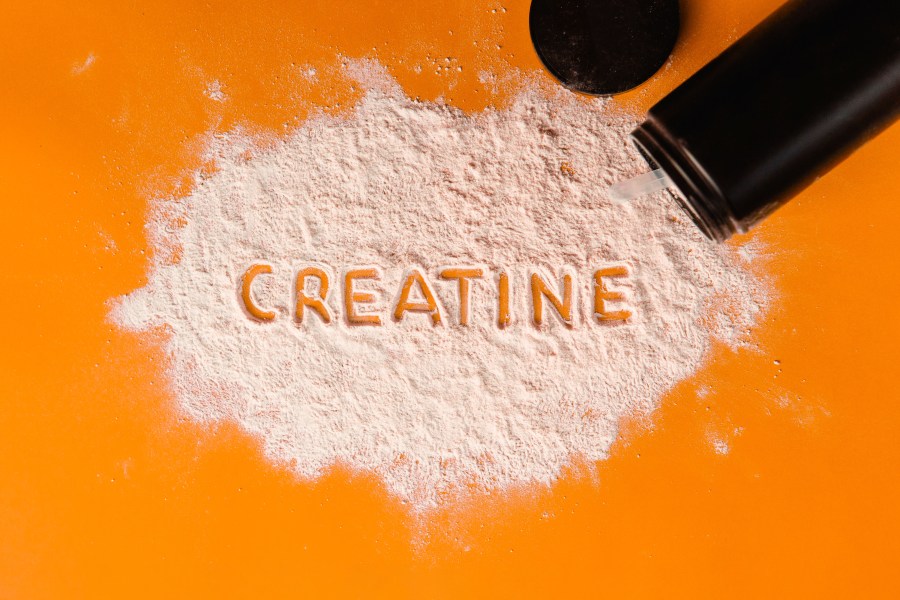
Creatine might be the most talked-about supplement in the gym – but most people still don’t fully understand how it works, who it’s for, or what it really does to your body. Here are 10 lesser-known facts that could change how you use it
1. It doesn’t just build muscle – it powers your energy system
Creatine’s real job isn’t muscle growth – it’s energy. Your body converts it into phosphocreatine, which helps regenerate ATP, the molecule that fuels short, explosive movements like lifting or sprinting.
Why it matters: More ATP = more reps, more power, better sessions.
2. You already have it in your body
Creatine isn’t some artificial compound – it’s naturally produced in your liver and kidneys and stored in your muscles. You also get it from foods like red meat and fish.
The catch: You can’t realistically eat enough steak to max out your stores – hence supplementation.
3. It works best for short, intense exercise – not endurance
Creatine shines in high-intensity efforts like weightlifting, sprinting or team sports – but does little for long-distance endurance work.
Translation: Great for gym-goers, less useful for marathon runners.
4. It can actually help you build more muscle – indirectly
Creatine doesn’t magically grow muscle – it lets you train harder. Over time, that increased workload leads to greater hypertrophy and strength gains.
Think of it as: A performance amplifier, not a shortcut.
5. It may boost your brain as well as your biceps
Emerging research suggests creatine can support memory, processing speed and cognitive performance – especially under stress or sleep deprivation.
Unexpected bonus: It’s being studied as a nootropic, not just a gym supplement.

6. Some people benefit more than others
Vegetarians and vegans often see bigger gains because they start with lower natural creatine levels.
Also true: Around 20–30% of people are “non-responders” and see minimal effects.
7. You don’t need a ‘loading phase’
The classic 20g-a-day loading phase isn’t essential. A steady 3–5g daily dose will saturate your muscles over time anyway.
Simpler approach: Consistency beats aggressive dosing.
8. It may help recovery and reduce injury risk
Creatine isn’t just about performance – it may reduce muscle damage and support faster recovery between sessions.
Meaning: You can train more often – and better.
9. It’s one of the most researched supplements ever
Creatine has decades of research behind it, consistently showing improvements in strength, power and training capacity.
Bottom line: Few supplements are this well-backed.
10. It’s generally safe – but not for everyone
For healthy individuals, creatine is widely considered safe at recommended doses. But people with kidney issues or certain conditions should consult a doctor first.
Common myth busted: It doesn’t damage kidneys in healthy users.
Final takeaway
Creatine isn’t just a “bulking supplement” – it’s a performance tool with benefits that extend from the gym floor to potential brain health. Used correctly, it’s one of the simplest, safest ways to improve training output and results.