
Your grip often gives out before your muscles do. These five expert-recommended exercises will build stronger forearms, improve your deadlifts and pull-ups, and boost your lifting performance
Forearms get trained by accident more than by design. You grip a bar, you grip a dumbbell, and you assume the job’s being done for you. It isn’t, not fully. Most pressing and pulling work asks your forearms to hold on rather than to actually contract through a full range, which is why so many lifters end up with decent arms sat on top of a grip that gives out before their back or legs do.
That gap matters beyond aesthetics. A meta-analysis of nearly two million people, published across the grip strength literature, found that every 5kg drop in grip strength carried a measurably higher risk of death from any cause. Grip, therefore, can be seen a proxy for overall muscular health and the forearms are what generate it. Train them properly and the benefit runs well past filling out your sleeves. Here’s five ways to go about it.
Farmer’s Carry
Walking under load forces your forearm flexors into a long, sustained isometric contraction, which is a different stimulus to the short, repeated squeezes most grip work relies on. That endurance under tension is exactly what carries over to deadlifts, rows and pull-ups, where your grip is usually the first thing to fail.
1. Pick up a heavy dumbbell or kettlebell in each hand, keeping your shoulders back and your ribs stacked over your hips.
2. Walk in a straight line for 20 to 40 metres, breathing steadily and resisting any urge to shrug the weight up.
3. Set the weights down under control, rest for 60 to 90 seconds and repeat for three to five rounds.
Dead Hang
Hanging from a bar loads your fingers, wrist and forearm through their full length rather than just the belly of the muscle, which builds tendon resilience alongside strength. Handily, it also decompresses the shoulders after a session of heavy pulling, so you’re getting two jobs done from one static position.
1. Grip an overhead bar with hands just outside shoulder width, then let your feet leave the floor completely.
2. Hang with your shoulders relaxed away from your ears, keeping your ribcage down rather than flaring outward.
3. Hold for 20 to 45 seconds, drop down and rest for a minute, then repeat for three or four sets.
Zottman Curl
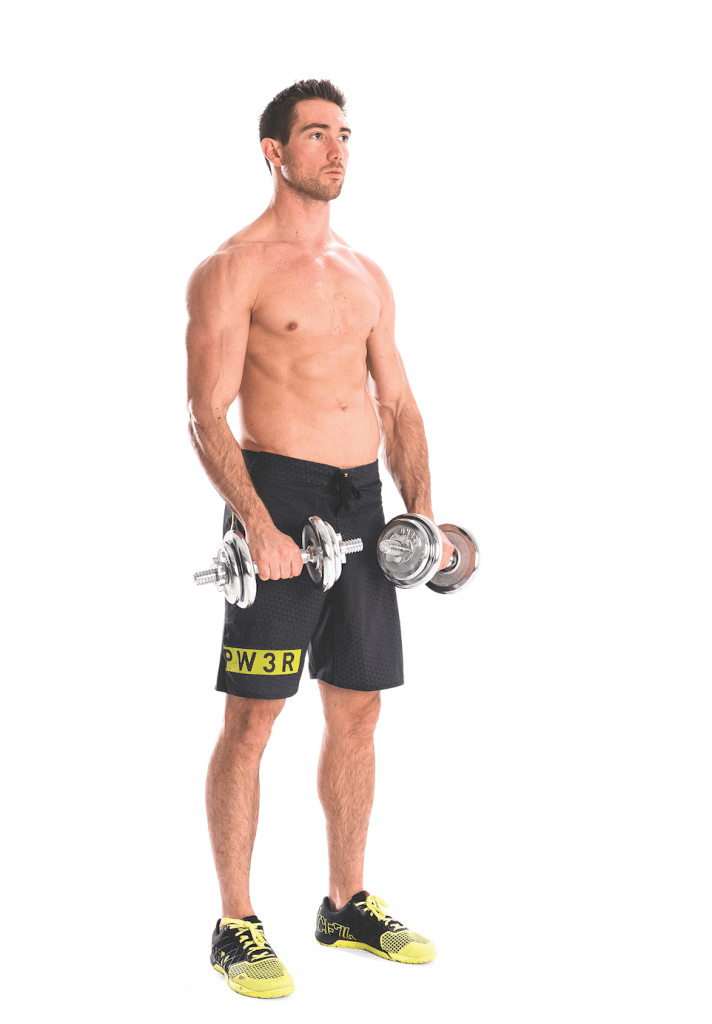
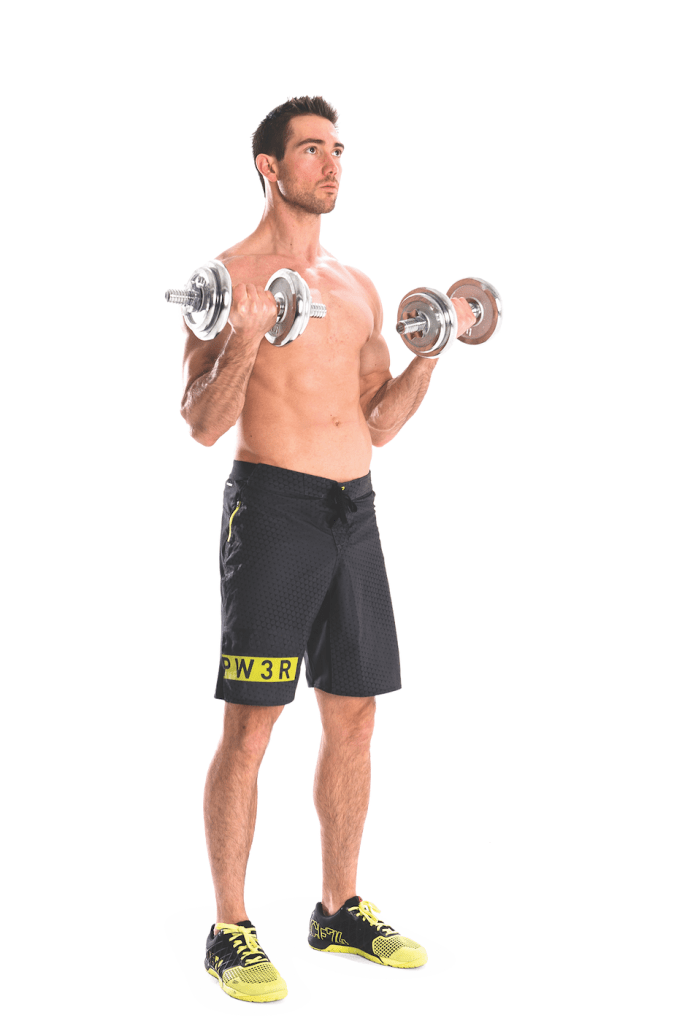
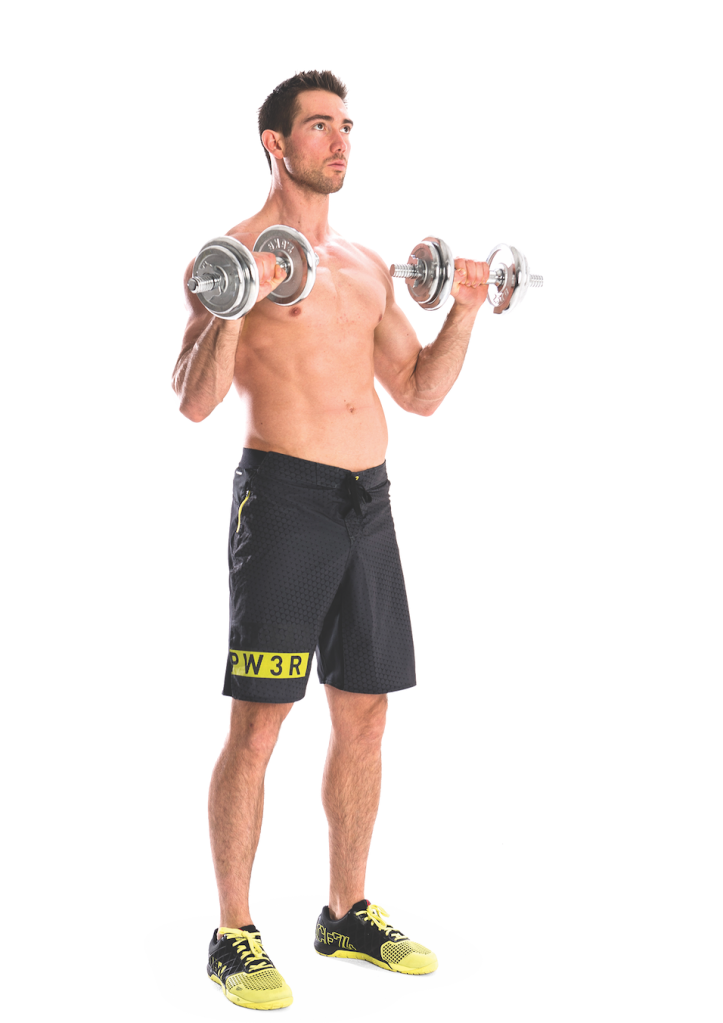
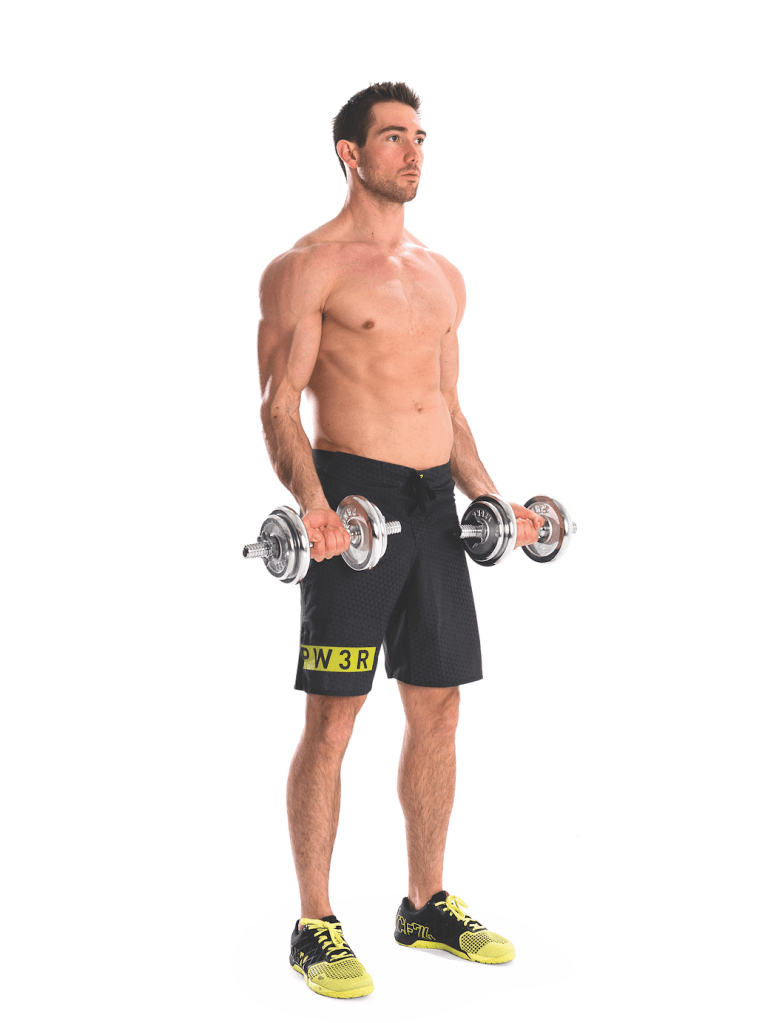
A standard curl trains your biceps and does little for the muscle running along the top of your forearm. Rotating your grip on the way down, however, shifts the load onto the extensors, so one exercise trains both sides of the forearm in a single set rather than leaving one half permanently under-worked.
1. Curl a pair of dumbbells up with your palms facing forward, as you would in a regular bicep curl.
2. At the top, rotate your wrists so your palms face down, then lower the weight slowly through that reversed grip.
3. Rotate back to a palms-up position at the bottom and repeat for three sets of 10 to 12 reps.
Wrist Curl and Reverse Wrist Curl
This is the most direct route to bigger forearms because it isolates the wrist flexors and extensors without any help from the biceps or shoulders. Training both directions in the same session keeps the muscles on either side of your forearm developing at a similar rate, which also protects the wrist joint from sitting in an imbalanced position.
1. Rest your forearms on a bench, palms up, holding a light barbell or a pair of dumbbells with your wrists hanging off the edge.
2. Curl the weight up using only your wrists, pause briefly and lower it back down under control.
3. Flip your forearms so your palms face down and repeat the same motion for the extensors, aiming for three sets of 12 to 15 reps each way.
Plate Pinch
‘Pinching’ a flat plate between your fingers and thumb works a different grip pattern entirely, one that depends on thumb strength rather than the crushing grip most other exercises train. It’s a pattern you rely on constantly outside the gym, from carrying shopping bags to holding a box, but it tends to be the weakest link for most lifters simply because nothing else trains it. Here’s how to redress the balance:
1. Place two weight plates together, smooth sides facing out, and pinch them between your fingers and thumb.
2. Lift the plates a few centimetres off the floor or a bench, keeping your arm straight by your side.
3. Hold for 15 to 30 seconds, set the plates down and repeat for three or four sets per hand.