

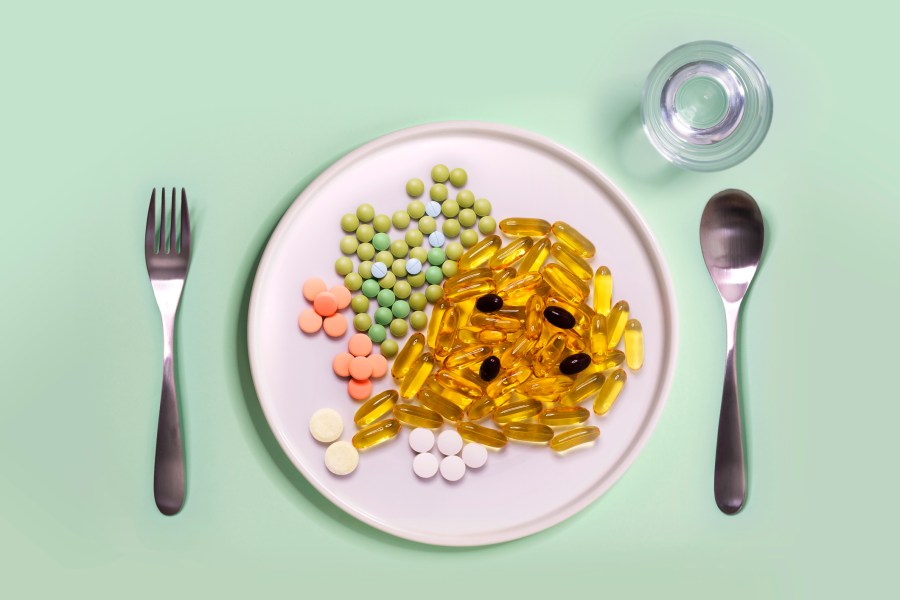
From magnesium gummies to testosterone optimisation, the supplement industry has never been louder — but Harry Kane’s nutritionist says the answer to better health, performance and mood is probably already in your kitchen
PICS: Getty Images
Spend five minutes on any kind of health algorithm and you’ll be sold a supplement for everything. Better sleep? Take magnesium. Struggling with focus? Try creatine. Low T? Online TRT companies will promise to fix that too.
While the wellness world has become obsessed with quick fixes, experts still say that the basics matter most – and according to performance chef and nutrition expert Dan Sargeant, most people are skipping the most important part entirely: their diet!
“The supplement industry is worth billions because it sells hope in a capsule,” says Sargeant, who has worked with elite athletes and high performers including former England captain Harry Kane and boxer Conor Benn. “But most supplements are a sticking plaster over a bad foundation.”
The latter seems to increasingly be becoming the case. While interest in health and longevity has exploded, so too has the appetite for optimisation – and short term wins rather than consistent good habits. Instead of looking at our long-term food and exercise routines, we’re looking for shortcuts.
The irony? Most nutrition experts agree that the vast majority of people can get almost everything they need from food alone – if you’re eating the right things!
Why is food so important to our overall wellbeing?
One of the biggest misconceptions around nutrition is that food is just about calories and our weight. In reality, our diet influences so much more than just our physique. It affects your recovery, concentration, mood, hormones and long-term health too.
“Food isn’t just calories, it’s information and fuel,” says Sargeant. “Every single thing you eat tells your body what to do and gives it the tools to do it; build muscle, store fat, fight inflammation, stabilise or crash your energy.”
It’s common to make the mistake of focusing heavily on training while underestimating how much nutrition impacts performance explains Sargeant. That’s when progress becomes much harder than it needs to be.
“You can have the best training plan, the best sleep routine, and the best mindset in the world, but if your nutrition is poor, you’re running on a bad fuel source,” he says. “And a vehicle with a bad fuel source runs lumpy.”
Do we really need supplements?
Supplements do have their place – particularly for those with limited diets. Creatine has strong evidence behind it for performance and recovery, protein powder can be useful for convenience, and some people may genuinely need additional nutrients depending on their lifestyle or medical needs.
But supplements should always be seen as exactly what the name suggests: supplementary. For most healthy adults eating a balanced diet, nutritional gaps are often smaller than marketing would like us to believe.
Generally, supplements become more important when someone has a restricted diet, food intolerance or diagnosed deficiency. Vegans, for example, may require vitamin B12 supplementation, while people with low iron levels may need targeted support.
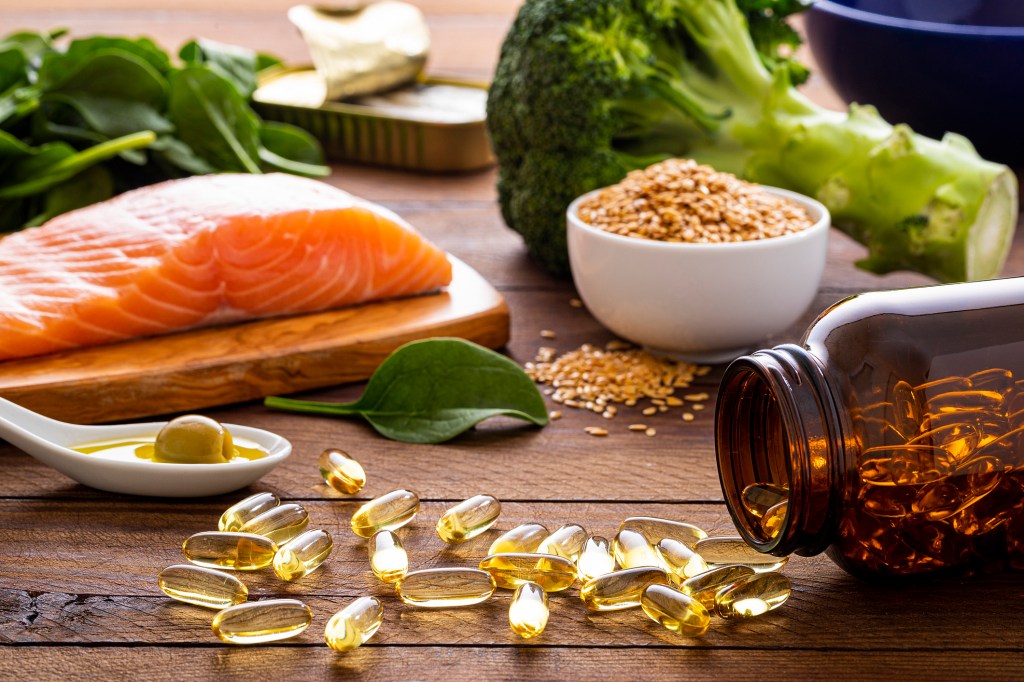
Outside of those situations, however, many people would benefit more from improving meal quality than adding another expensive tablet into the mix. “Magnesium supplements won’t necessarily fix what dark chocolate, spinach and pumpkin seeds in your diet could,” says Sargeant. “Likewise, protein powder won’t build muscle if your overall diet is poor.”
Can food impact how we feel mentally too?
Nutrition can also play a surprisingly powerful role in how we feel mentally. Research increasingly shows strong links between diet quality and mental wellbeing, with blood sugar crashes and heavily processed foods contributing to fatigue, brain fog and mood swings.
“A gut microbiome starved of fibre and food variety can affect serotonin production,” says Sargeant. “Around 90% of serotonin is produced in the gut.”
Equally, the food itself should be enjoyable to you. Sargeant believes overly restrictive diets can backfire.“A nutritious diet is varied, colourful, built around whole foods most of the time, and sustainable for your actual life,” he says. “If your diet makes you miserable, it’s not nutritious because stress is inflammatory too.”
How do we start?
Not with cutting things out, says Sargeant, but by adding better things in. “When you focus on restriction, food becomes the enemy,” he explains. “Adding in more nutritious ingredients is far easier and much more sustainable.”
So, in short, while supplements promise transformation, the fundamentals remain stubbornly unchanged. Eat more whole foods, prioritise variety, get lots of protein and fibre, drink water and sleep properly. Even evidence backed supplements like Creatine will do very little without the foundation of a good, balanced diet, experts say.
“I’m not anti-supplement,” says Sargeant. “There are genuinely useful ones out there, but food comes first, always. That’s literally the ethos behind everything I do and the career I’ve built.”