
Think you might be lacking iron? We asked an expert what the key symptoms are to look out for – and some may surprise you!
Iron is a pretty essential mineral for us to survive – and it can really throw things out of whack if we don’t have enough of it! “We need iron to help transport oxygen around our blood, in our hemoglobin and through our cardiovascular system,” says Joshua Clamp, registered Nutritionist, Performance Coach and Men’s Health business owner.
“If we don’t have enough iron, we’re less able to transport oxygen around our body and our cardiovascular system isn’t as able to function as effectively.” Sounds pretty serious – so who’s at risk? Well, anyone can get an iron deficiency, but menstruating women, over 65-year-olds, vegetarians and vegans are at a slightly higher chance of being deficient.
“If you’re not taking enough iron from your diet, you are at risk of iron deficiency,” says Josh. But how can you spot the signs of low iron? And what can you do to help the problem? We asked Josh what the main symptoms are to look out for – and what to do if you’re worried.
What symptoms could point to low iron?
“It’s hard to pin a specific feeling to a specific deficiency,” explains Josh, however the most common symptoms seem to relate to our energy levels. “If you are anaemic, your cardiovascular output will be impacted, and so you may have more fatigue or feel more lethargic,” he says. “You may experience tiredness or your exercise performance might decline for example.”
“You’re also at higher risk of getting infections as it can impact your immune system,” says Josh, while revealing that another symptom might be heart palpitations or irregularity, due to the cardiovascular impact. “There’s loads of random little symptoms as well like brittle nails, itchy skin, or you can get mouth ulcers – they’re not common, but they’re just random signs and symptoms that may indicate it,” says Josh.
What foods can you eat to boost your iron levels?
“You can very simply and easily get all your iron needs through your diet,” says Josh, (unless you have an underlying condition which may cause you to lack absorption). “Iron-rich foods include heme sources (more easily absorbed) like red meat, liver, poultry, and shellfish (muscles, oysters), and non-heme sources (plant-based) such as beans, lentils, tofu, dark green leafy vegetables (spinach, kale), dried fruit, and as mentioned, fortified cereals.”
Josh also recommends having your iron rich foods alongside Vitamin C as this can support non-heme iron absorption. Avoiding tea around the time you eat can also apparently help things along; “Try not to have a cup of tea during or even for like an hour or two before or after mealtime, as the tannins can impact the iron absorption,” he says.
What should you do if you think you might have an iron deficiency?
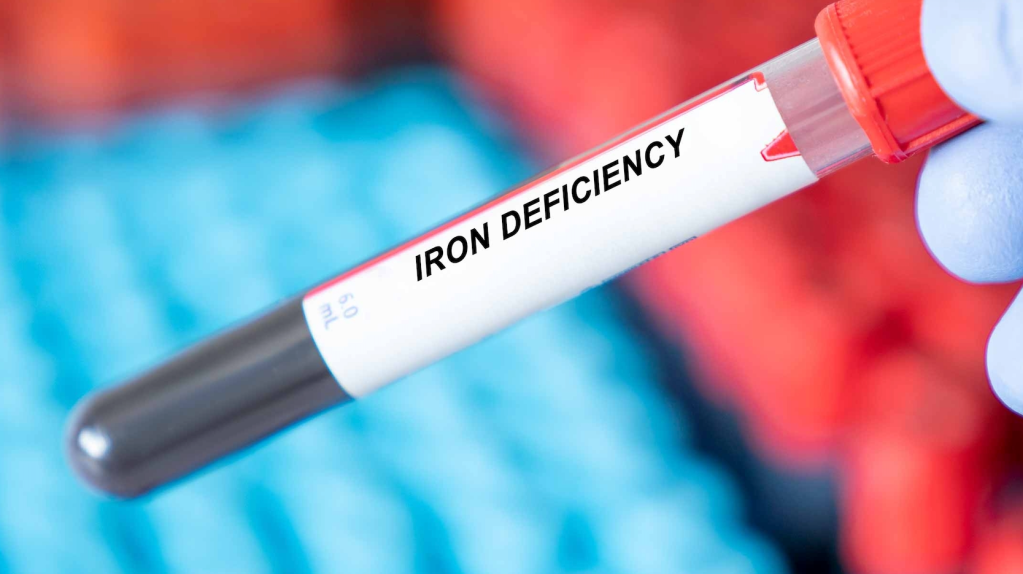
If you think you have an iron deficiency, the first thing you should do is reach out to a doctor or trained dietician. They’re likely to send you for a blood test and determine if there’s any issues. It’s important to note that the symptoms listed above can be related to other conditions, so it’s always best to speak with a medical professional if you’re concerned.
“They may ask you to do a food diary to investigate whether you’re getting enough iron in – or to see if there are any underlying conditions,” says Josh. “If you are concerned, it’s worth making sure that you are prioritising foods which have more iron in order to make sure that you’re getting enough from your diet. That can make a difference,” says Josh.
“Prioritise those whole foods, focus on foods containing iron, and then if you’re still concerned, see a doctor and they may recommend supplementation or more formal support.”