
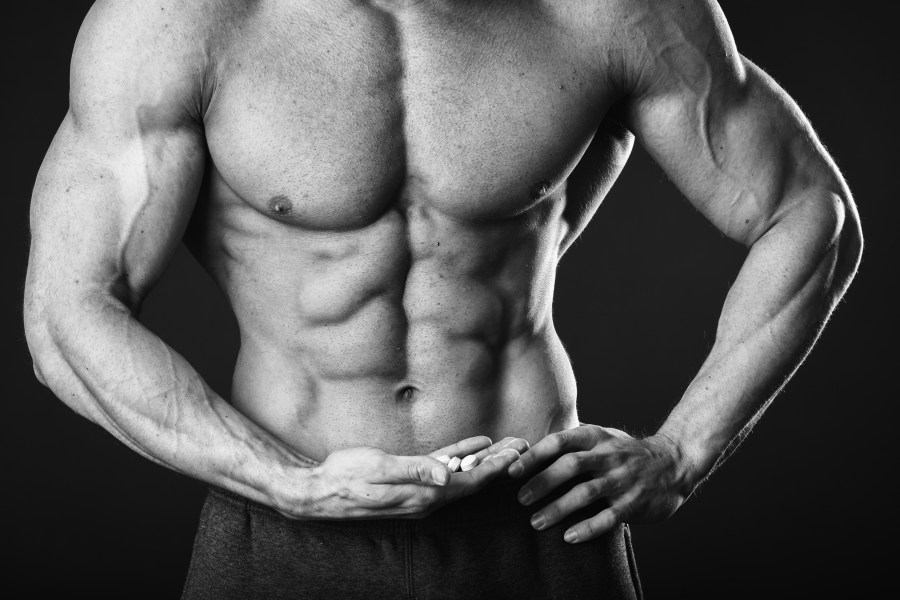
Muscle isn’t just for looking good. It’s keeping you alive. Here are some simple things men can do to stay strong, lean and capable for longer
Body fat, race times and personal bests tend to dominate fitness conversations. But one of the most important markers of healthy ageing rarely gets the same attention: muscle mass.
In fact, most men know their weight but have no idea how much muscle they carry. And many won’t notice muscle loss happening until everyday tasks start to feel harder. You recover more slowly from workouts, carrying heavy objects becomes more of a challenge, and that familiar burn in your forearms arrives much sooner than you remember. The strength you once took for granted gradually starts to fade.
While some muscle loss is a natural part of ageing, experts say much of it is influenced by lifestyle. The good news? Muscle remains remarkably responsive throughout life.
Research shows that the right daily habits can help you hold on to muscle and stay stronger for longer, so you can continue doing the things you enjoy well into later life.
What Are The Signs Of Muscle Ageing?
Muscle ageing doesn’t happen overnight. In fact, most men notice the signs long before they realise what’s actually causing them.
You might notice getting up from the floor isn’t quite as effortless as it used to be. If you find yourself making an involuntary “oof” noise every time you stand up, it could be a sign that leg strength, mobility and power are starting to decline.
Other common signs include poorer posture, reduced balance, slower recovery from your workouts, burning legs when climbing the stairs and generally feeling less stable on your feet. Perhaps you no longer move with quite the same spring in your step, or feel as confident jumping, lifting and carrying as you once did.
The encouraging news is that the body remains remarkably adaptable when you give it a reason to stay strong and agile. There is no such thing as being “too old to start”. Research shows that exercise stimulates muscle protein synthesis at any age, helping to maintain and build strength over time. In other words, whether you’re 40, 60 or 80, your muscles are still listening – you just need to give them a reason to respond.
Here are 10 daily habits that can help you build, maintain and protect muscle as you age.
Habit 1: Lift Heavy Things
Resistance training is one of the most effective ways to slow age-related muscle loss.
Strength training places your muscles under greater demand than they experience in everyday life. In response, the body is encouraged to maintain and build muscle tissue while supporting bone density, balance and joint mobility.
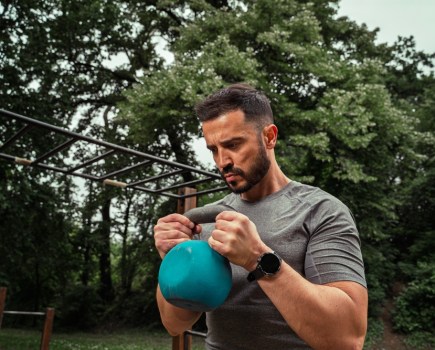
Aim for two to three times per week, at an intensity of 50-80 per cent and doing a minimum of five exercises per session, focusing on compound exercises such as squats, deadlifts, rows, lunges and overhead presses. As a general guide, choose a weight that feels challenging and makes the final few repetitions difficult while still allowing you to maintain good form.
Habit 2: Stay Active Every Day
Strength training is crucial, but it shouldn’t be the only way you move. It’s also recommended that you do at least 150 minutes of moderate-intensity activity each week. Walking, cycling, swimming, rowing and jogging all support cardiovascular health, mobility and muscle function as you age.
Regular movement also improves joint mobility, builds mitochondrial density, and stimulates the release of myokines – compounds produced by working muscles that help support muscle maintenance, metabolic health and healthy ageing.
Habit 3: Eat Enough Protein
Eating enough protein is one of the most important things you can do to support muscle health as you age. Protein provides the building blocks needed to repair and maintain muscle tissue, and research suggests requirements may actually increase as we get older.
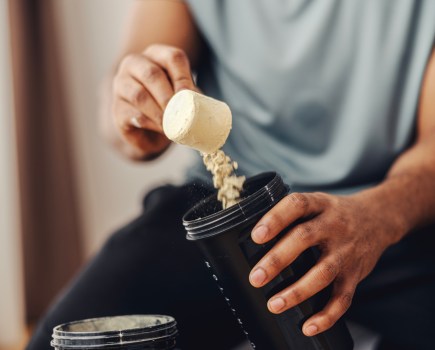
Aim for around 1.0–1.2g of protein per lb of bodyweight each day, spread evenly across meals and snacks. So that’s your body weight in lbs x 1.0-1.2g of protein. Good sources include chicken, fish, eggs, Greek yoghurt and cottage cheese.
One of the biggest mistakes men make is saving most of their protein for dinner. Instead, try to include a decent source of protein at breakfast, lunch and dinner to help drip feed your muscles a more regular supply of the nutrients they need. Failing to eat enough protein can accelerate muscle loss and slow recovery from exercise.

Habit 4: Plan Your Meals And Don’t Train On Empty
Training on an empty stomach isn’t ideal if your goal is to maintain muscle as you age. Going into a workout under-fuelled can increase fatigue, reduce performance and make it harder to recover afterwards. Without available amino acids in your bloodstream, your body is also more likely to break down existing muscle tissue for energy during training.
Aim to eat a meal or snack containing protein before exercise, followed by another protein-rich meal afterwards. This provides your muscles with the building blocks they need to repair and grow while helping stimulate muscle protein synthesis.
As a general guide, aim for 20-30g of protein before and after training. An omelette before a workout and Greek yogurt with fruit and nuts afterwards are two simple options that can help support healthy muscle ageing and recovery too.
Habit 5: Get Enough Calcium
Protein often gets all the attention when it comes to muscle health, but calcium matters too. While around 99 per cent of the body’s calcium is stored in bones and teeth, the remaining one per cent plays a vital role in muscle contractions, nerve signalling and normal heart function.
As we age, maintaining healthy calcium levels becomes increasingly important for preserving both bone strength and physical function. Strong bones provide the foundation that allows muscles to work effectively and support everyday movement.
Men should aim for around 1,000-1,200mg of calcium per day. Most people think of dairy and stop there, but it’s far more widely available than that. Think: dairy, halloumi, tinned fish with bones, tofu, broccoli and fortified plant milks. Combined with regular strength training and adequate protein intake, calcium can help support a stronger, more resilient body as you age.

Habit 6: Stay Hydrated
Good hydration is a vital part of ageing well. The average man needs around 3.7 litres of fluid per day, with requirements increasing during exercise, hot weather and periods of intense sweating, think training in the heat, or regular sauna or steam room visits.
Even mild dehydration can affect physical performance, concentration, recovery and overall energy levels. It can also make workouts feel harder than they need to be.
One simple habit is to start the day with a large glass of water before reaching for your tea or coffee. Keeping a full water bottle on your desk, in your car or in your gym bag can also make it easier to stay on top of your H2O intake throughout the day. Consistent hydration helps support everything from muscle function and recovery to long-term health and performance, so make an effort to drink more water.
Habit 7: Prioritise Sleep
Sleep is one of the most powerful tools we have for healthy ageing. Seven to nine hours a night isn’t a luxury – it’s an essential part of recovery.
While you sleep, your body repairs and rebuilds muscle tissue, regulates hormones and prepares for the demands of the next day. Consistently poor sleep can impair recovery, increase stress hormone levels and make it harder to maintain muscle mass as you age.
One of the best things you can do is keep a consistent sleep schedule. Going to bed and waking up at roughly the same time each day helps support your body’s natural sleep-wake cycle and can improve both sleep quality and recovery. Think the same bedtime every night, any time before midnight – and protect your sleep window as carefully as you protect your training sessions. Your muscles depend on it.
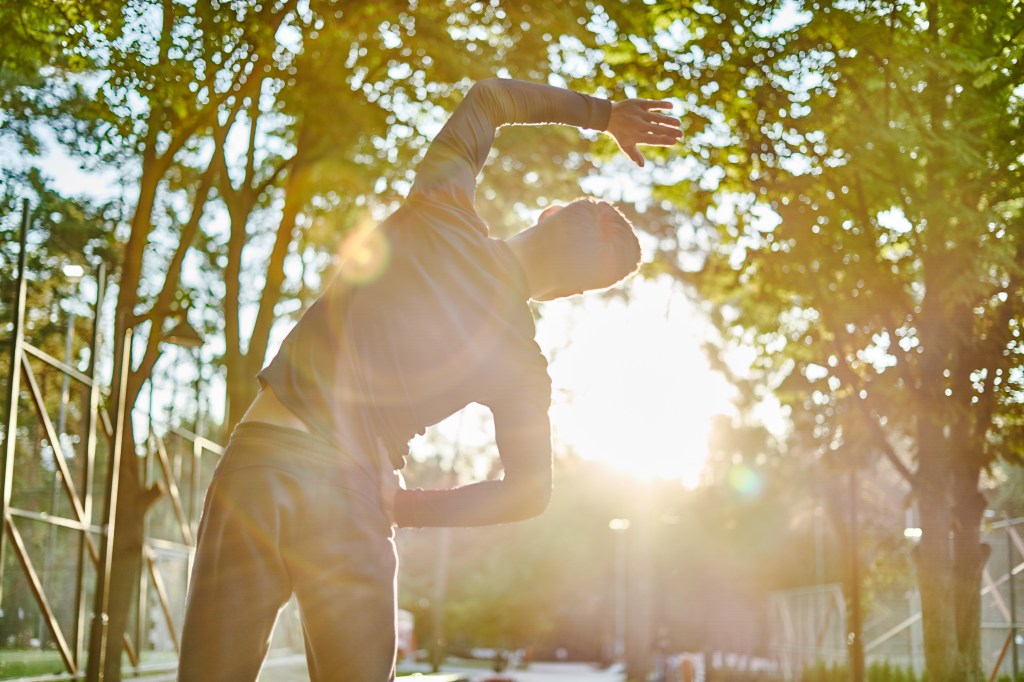
Habit 8: Get Morning Sunlight
Getting outside for 10 minutes of morning sunlight may be one of the simplest health habits you can adopt. Early daylight helps set your circadian rhythm, supports healthy melatonin production and can improve sleep quality later that night.
That matters because better sleep supports recovery, hormone regulation and muscle maintenance as you age.
Aim to get outside within the first few hours of waking when the UV is low, whether that’s during a short walk, writing your daily goals or simply while having your morning coffee. It costs nothing, takes very little effort and can have a surprisingly powerful impact on your overall health. We’re not asking for much – just 10 minutes before 10.
Habit 9: Manage Stress
Chronic stress doesn’t just affect your mood – it can have a significant impact on your physical health too. Persistently elevated stress levels increase cortisol, the body’s primary stress hormone, which can impair recovery, disrupt sleep, encourage fat gain and make it harder to maintain muscle mass as you age.
Stress is not a character flaw; it’s a physiological response. The key is learning how to manage it before it starts affecting your health and performance.
One of the simplest tools is breathwork. Just five minutes of slow, controlled breathing can help shift your nervous system out of a fight-or-flight state and into a calmer, more restorative mode. Walking, spending time outdoors, exercising and maintaining strong social connections can also help keep stress levels in check. It’s important to learn to calm your body. The better you manage stress, the better your body can recover, repair and stay strong.
Habit 10: Measure your muscle
Knowledge is power. If you know how much muscle you have now, you’ll have a benchmark to work from and a clearer idea of whether your training and nutrition are actually doing what you think they’re doing.
One way to do this is with a body composition scale, which uses bioelectrical impedance to estimate body fat and muscle mass. For a more detailed picture, you could also consider a DEXA scan, which can assess muscle mass, body fat and bone density.
Repeat the measurement every four to six months to see if anything has changed – and if you’re on the right track. Are you maintaining muscle, building it or quietly shrinking while convincing yourself your arms still look the same in the bathroom mirror? The numbers won’t tell the whole story, but they don’t lie either. You can’t ignore the facts.