
Building muscle is important, but so is protecting your skeleton. A physiotherapist reveals the five exercises that can help strengthen your bones as you age
When entering the gym, most men focus on burning fat and building muscle. But very few think about strengthening their bones – and that’s a mistake. You need that strength.
That’s because peak bone mass is typically reached by the age of 30, after which bone density gradually begins to decline. Over time, this can increase the risk of fractures, poor posture, reduced mobility and osteoporosis.
The good news? Bone is living tissue. Just like muscle, it’s constantly being broken down and rebuilt, and it responds remarkably well to the right kind of training.
“Bone health isn’t just about popping a calcium pill or heading out for a walk,” says says physiotherapist, certified pedorthist and Pilates instructor Tina Haghigi. “Bones are living tissue. They need load and effort to stay strong.”
According to Haghigi, bones respond best to a combination of resistance training, weight-bearing exercise, balance work and, where appropriate, small amounts of impact.
“Walking, swimming, cycling and rowing are all excellent forms of exercise, but bones need more than that,” she says. “Give them strength, load, balance and just the right amount of impact, and your body responds by building stronger, denser bones.”
Here are the five exercises Haghigi recommends every man over 40 should include in his routine.
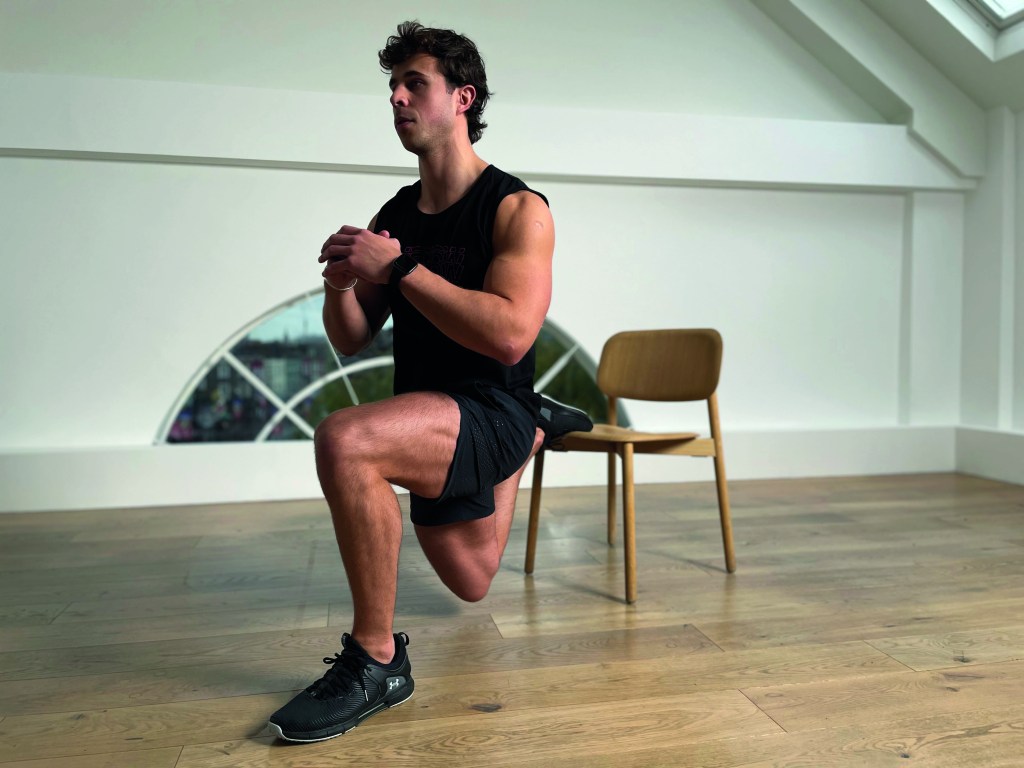
1. Bulgarian Split Squat
Sets: 2-3
Reps: 8-10 per side
Traditional squats are a fantastic exercise, but they’re not always the most accessible option for men dealing with stiff ankles, tight hips or those with knee pain.
“I find these far more practical than traditional squats for many men over 40,” says Haghigi. “They allow you to focus on one leg at a time, build balance and stability while loading the hips and legs without needing perfect squat mobility.”
Start by holding onto a wall, railing or TRX for support and only work through a depth that feels comfortable. “Once you feel stronger, pick up some dumbbells, and gradually add weight to increase the challenge.”
2. Romanian Deadlift
Sets: 2-3
Reps: 8-10
The Romanian deadlift is one of the best exercises for strengthening the posterior chain, loading the glutes, hamstrings, core and the muscles that support the spine.
“It’s excellent for posture, spinal health and everyday movement,” says Haghigi. The key is mastering the hip hinge before worrying about heavy loads.
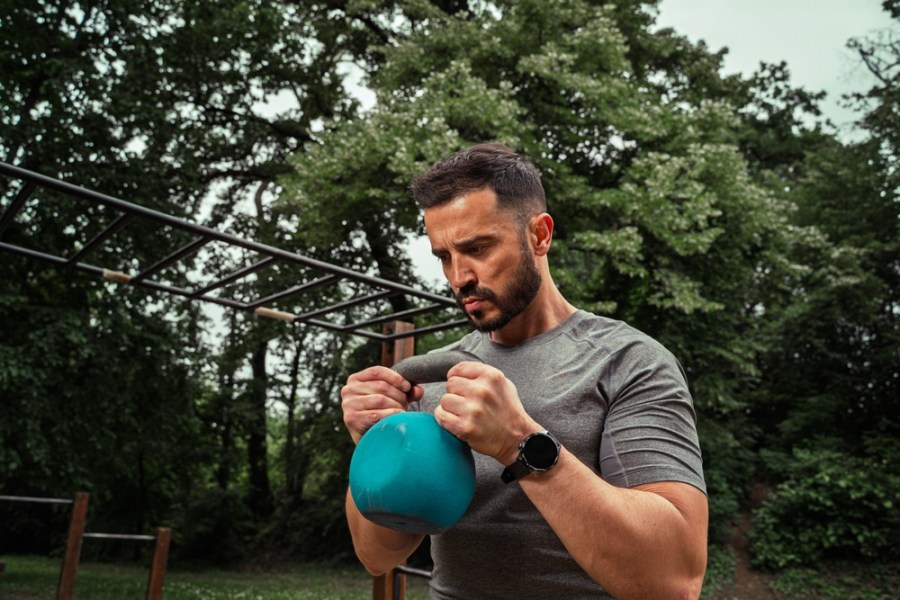
Start with a pair of light dumbbells or a kettlebell and focus on pushing your hips backwards while maintaining a long, neutral spine.
“You should feel the work in your glutes and hamstrings, not your lower back.”
3. Step-Ups
Sets: 2-3
Reps: 8-12 per leg
Step-ups are one of the most functional exercises you can do.
“Simple, but useful, they build single-leg strength, challenge your balance and coordination and transfer directly to everyday activities such as climbing stairs and getting in and out of the car,” she explains.
Haghigi recommends starting with a low step and focusing on control rather than height.
“If you can perform them smoothly and confidently, increase the height of the step or add weights.”
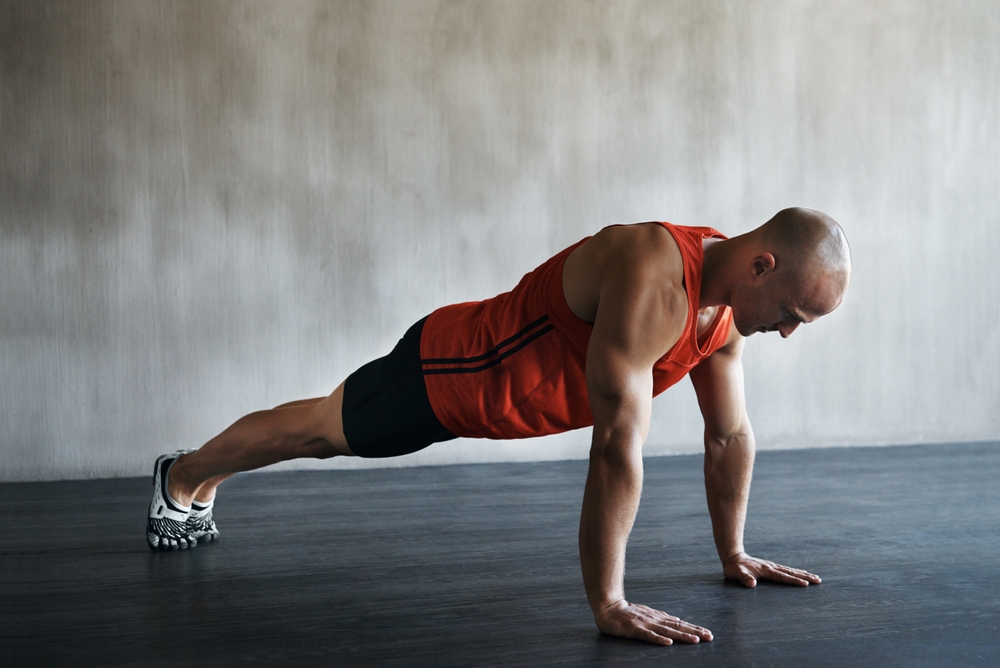
4. Push-Ups
Sets: 2-3
Reps: 8-12
Bone health isn’t just about your lower body. Loading the wrists, arms, shoulders and upper back is equally important, especially as upper-body strength tends to decline with age.
“A lot of my clients over 40 begin with incline push-ups using a wall or bench,” says Haghigi. “They’re easier to control but still highly effective.”
Whether you start on the floor or at an incline, focus on maintaining a straight line from head to heels and moving with control.
5. Farmer’s Carries
Sets: 2-4
Time: 30-60 seconds
Simple, effective and brutally honest, the farmer carry may be one of the most underrated exercises for healthy ageing
Grab a pair of dumbbells or kettlebells and walk. That’s it.
As simple as it sounds, carries challenge grip strength, posture, core stability, balance and total-body strength simultaneously.
“The weights should feel challenging, but you should still be able to walk tall without leaning or waddling,” says Haghigi.
Think quality movement rather than simply carrying the heaviest load possible.
Don’t Ignore Strength Training
According to Haghigi, one of the biggest mistakes men make is relying solely on cardio.
“When it comes to stimulating your bones to get stronger, strength training isn’t optional,” says Haghigi. “Walking and cardio are good, but on their own they’re usually not enough to maintain strong bones and muscles as you age.”
Haghigi is also a fan of reformer Pilates for men who are returning from injury, dealing with stiffness or lacking confidence in the gym.
“Pilates won’t replace strength training, but it’s a fantastic way to build strength, control and mobility without beating up your joints.”
The bottom line? Bone health isn’t built through supplements alone. It’s built through regular loading, resistance and movement. Progressive weight-bearing exercises place mechanical stress on bone tissue, signalling it to become stronger and denser.
“The goal isn’t to train like you’re 20,” says Haghigi. “The goal is to load your body in a smart, steady way so you stay strong, capable and mobile for decades to come.”