

A bizarre local cricket controversy has reignited the debate about sporting integrity. From fake bat edges to hidden sandpaper, steroids and the infamous Hand of God, these are the scandals that changed sport forever
PICS: Getty Images
If you needed proof that sport will always find new ways to surprise us, look no further than the latest cricket controversy.
This week, Saltburn Cricket Club found itself under investigation after viral footage appeared to show a slip fielder clicking his fingers as the ball passed the bat, creating the illusion of an edge and persuading umpires to give batsmen out caught behind. The internet quickly christened him “Clicky Ponting” – a tongue-in-cheek nod to Australian great Ricky Ponting – and the North Yorkshire & South Durham Cricket League has launched a formal investigation.
Whether the allegations are ultimately upheld or not, the incident is another reminder that athletes have always searched for an advantage – sometimes by pushing rules to breaking point, sometimes by breaking them altogether.
Here are five of the biggest cheating scandals sport has ever seen.
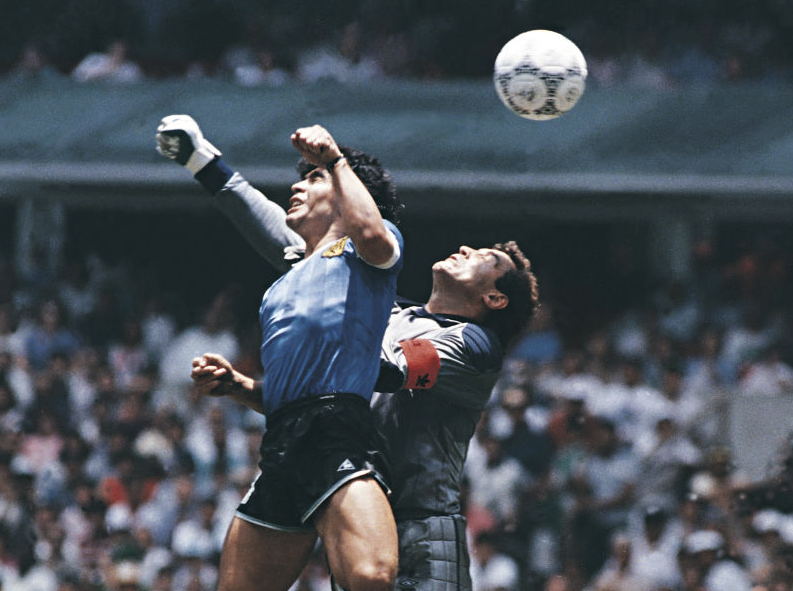
1. Diego Maradona’s ‘Hand of God’
Perhaps the most famous act of sporting deception.
During the 1986 World Cup quarter-final against England, Maradona leapt with goalkeeper Peter Shilton and punched the ball into the net with his left hand. Officials missed it, the goal stood, and Argentina went on to win the World Cup.
Maradona later joked it was scored “a little with the head of Maradona and a little with the hand of God.”
Ironically, just four minutes later he scored arguably the greatest goal in football history, dribbling past half the England team.
The legacy: One of football’s most controversial moments—and a key reason VAR eventually became inevitable.

2. Lance Armstrong’s cycling empire
For years, Lance Armstrong was the ultimate sporting inspiration.
After beating cancer, he won seven consecutive Tours de France while insisting his performances were clean.
In reality, investigators later uncovered one of the most sophisticated doping programmes sport has ever seen, involving EPO, blood transfusions and elaborate cover-ups.
Armstrong was stripped of all seven Tour titles and eventually admitted the truth during his televised interview with Oprah Winfrey.
The legacy: Cycling completely overhauled its anti-doping systems, while Armstrong became perhaps the biggest fall from grace in modern sport.
3. Australia’s Sandpapergate
Cricket has seen plenty of controversies, but none bigger than 2018’s infamous ball-tampering scandal.
Television cameras caught Cameron Bancroft attempting to rough up the cricket ball using sandpaper during a Test against South Africa. Captain Steve Smith and vice-captain David Warner later admitted the plan had been agreed by the team’s leadership group.
The fallout was enormous. Smith and Warner received 12-month bans, Bancroft was suspended for nine months, and Australian cricket spent years rebuilding its reputation.
The legacy: “Sandpapergate” became shorthand for cricket cheating across the world.
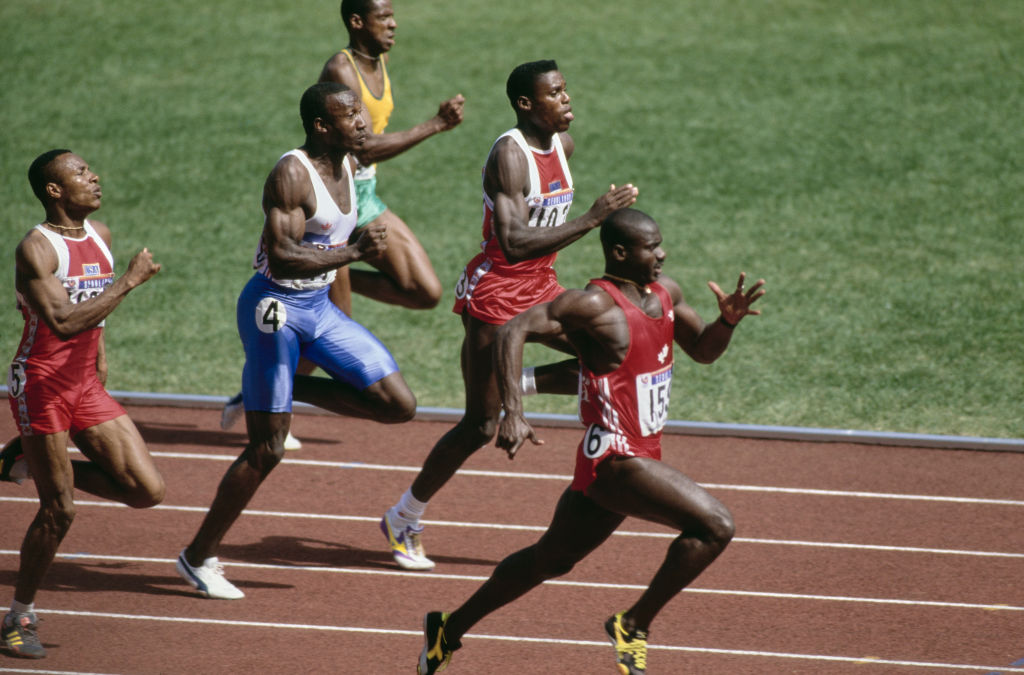
4. Ben Johnson’s 100m shock
At the 1988 Seoul Olympics, Canadian sprinter Ben Johnson appeared to produce the greatest 100m performance ever, beating Carl Lewis in a world-record 9.79 seconds.
Three days later everything unravelled.
Johnson tested positive for the anabolic steroid stanozolol, was stripped of Olympic gold and became one of sport’s defining examples of performance-enhancing drug use.
The legacy: Modern anti-doping testing became dramatically more rigorous.
5. The Pakistan spot-fixing scandal
Match-fixing is one thing.
Spot-fixing – manipulating individual moments inside a match – is arguably even more insidious.
In 2010, Pakistan captain Salman Butt and fast bowlers Mohammad Asif and Mohammad Amir were found guilty of deliberately bowling pre-arranged no-balls during a Test match at Lord’s in exchange for money from bookmakers. The players received lengthy bans, and some also served prison sentences.
The legacy: Cricket strengthened its anti-corruption units worldwide.
6. Bloodgate in rugby
During a 2009 Heineken Cup match, Harlequins winger Tom Williams appeared to leave the pitch with a blood injury.
It later emerged the blood came from a fake capsule hidden in his mouth, allowing a tactical substitution under rugby’s rules.
The deception was exposed, Williams received a suspension, director of rugby Dean Richards was banned, and rugby changed its substitution protocols.
The legacy: “Bloodgate” entered the sporting dictionary as shorthand for calculated gamesmanship.
Why athletes cheat
Sports psychologists generally agree that most cheating stems from the same pressures:
- Winning becomes more important than integrity.
- Financial rewards continue to grow.
- Careers can hinge on tiny margins.
- Athletes convince themselves “everyone else is doing it.”
The vast majority of elite competitors never cross that line. But history shows that whenever there’s glory, money and pressure, someone will eventually try to bend the rules.
As this week’s extraordinary cricket story demonstrates, sometimes all it takes is the click of a finger.