
Winning the Dakar Rally takes far more than driving skill. World champion co-driver Oriol Vidal explains how endurance cycling, mobility, core strength and disciplined recovery help him stay focused through up to 10 hours of relentless racing
PICS: Edo Photo
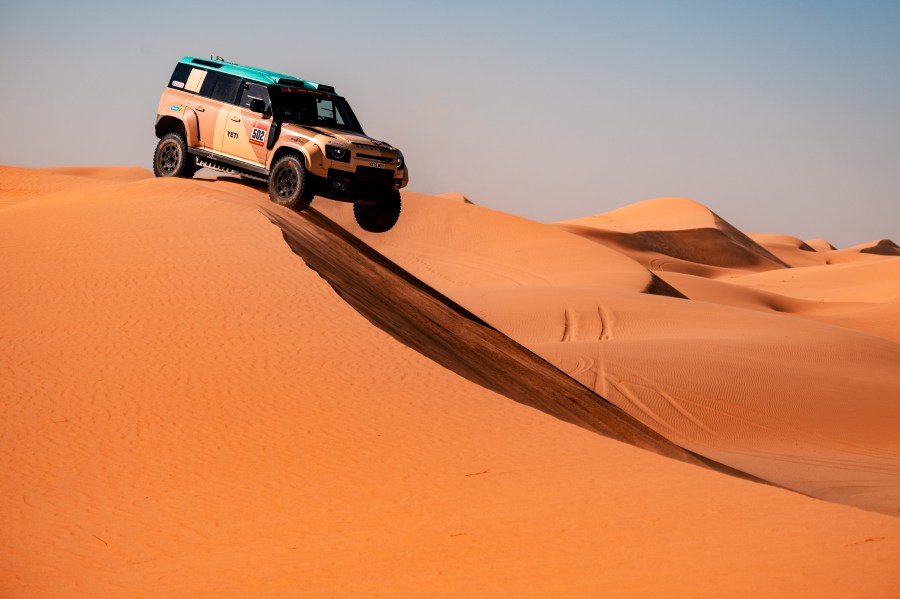
Winning the 2026 Dakar Rally is one thing. Doing it while spending up to 10 hours a day bouncing across deserts, reading complex navigation notes, managing motion sickness and staying mentally sharp enough to avoid career-ending mistakes is another entirely.
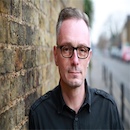
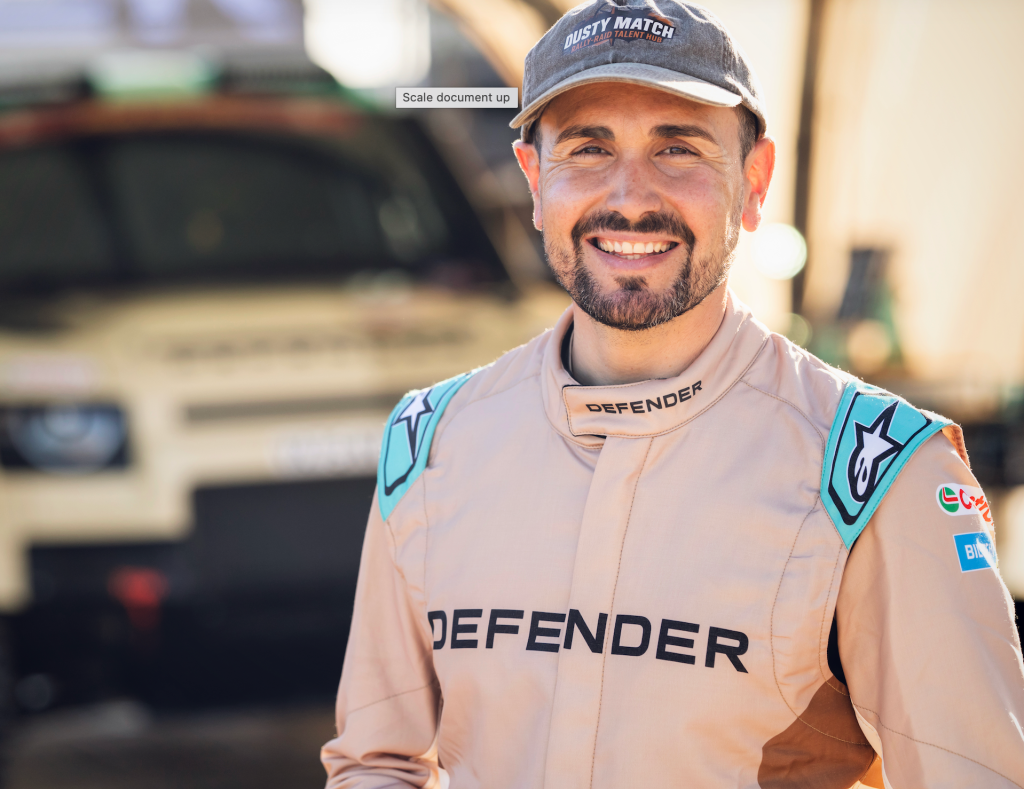
At 33, Spaniard Oriol Vidal is one of the world’s leading rally-raid co-drivers. Alongside driver Rokas Baciuska, he currently leads the World Rally-Raid Championship standings after their Dakar Rally victory for Defender Rally in the Stock class.
A former world champion in both the T4 and Challenger categories, Vidal combines elite motorsport skills with a passion for cycling, regularly tackling huge road and gravel rides to stay race-ready. For Men’s Fitness, Oriol explains how he trains his body and mind for one of the toughest endurance sports on earth
MF: For readers who may not know much about rally-raid, how did you first get involved in motorsport?
Oriol Vidal: I come from a family that had a quad and ATV dealership, so motorsport was always around me. I started racing quads when I was just three years old. Later, around 2016, side-by-side vehicles and UTVs started becoming popular, so I moved from quads to vehicles with a steering wheel. From there my career evolved into rally-raid and eventually co-driving.
MF: What are the biggest physical demands of being a rally-raid co-driver?
OV: There are a lot of challenges because every race is different. Sometimes you’re dealing with cold temperatures, sometimes extreme heat, altitude or difficult terrain. People often think it’s all about driving, but it’s really an endurance sport. Your heart-rate isn’t as high as in some sports, but you’re spending very long hours in the vehicle.
You can’t always drink as much as you’d like because you don’t have opportunities to stop. You also have to deal with things like motion sickness. It’s not easy to prepare for all of that. You need physical endurance, but you also need to be mentally prepared for long days under pressure.
MF: Which parts of the body take the most punishment during a rally?
OV: The neck, back and core are probably the most important areas. We work hard to get the seating position right because you’re strapped in very tightly for many hours. We also wear a heavy helmet, so there’s constant stress on the neck. The terrain is unpredictable and you’re constantly being moved around inside the vehicle.
Unlike circuit racing, you don’t know what’s coming next. A big impact can happen at any moment, so your muscles are always working. That’s why strength and endurance in the neck, back and core are so important.
MF: How do you train those areas away from the car?
OV: I have a daily routine, but it’s not about building huge muscles. It’s more about maintaining strength, stability and mobility. I do a lot of neck work using resistance bands. I’ll do planks, side planks and core exercises.
Mobility is also very important because after a long rally your body becomes very stiff from spending so much time sitting and concentrating. I do a lot of shoulder-opening exercises and stretching work.
It’s not traditional gym training with heavy weights. It’s more focused on core strength, mobility and neck stability. I also use reaction drills with tennis balls or light systems to improve coordination and balance.
MF: Cycling plays a huge role in your training. Why is it such a good fit for rally-raid?
OV: Cycling helps me in many ways. Obviously there’s the cardiovascular side, but it’s much more than that. Long rides teach you how to keep going when you’re tired.
During Dakar there are moments when you’re exhausted and asking yourself why you’re doing this, but you still have to continue performing. Cycling trains that toughness and it teaches me to stay focused and disciplined for long periods.
MF: How serious was your cycling career?
OV: I raced at UCI Continental level. For a while I was balancing cycling and motorsport. I eventually chose motorsport because that was my family background and what I’d grown up around.
Later, I suffered a back injury that forced me to take some time away from racing cars. During that period, I got an opportunity to join a Continental cycling team, so I returned to racing bikes while I recovered. Once my back improved, I returned to motorsport, but cycling has remained a huge part of my life ever since.
MF: Do you think more drivers should be cycling?
OV: Absolutely. I recommend it to every driver and co-driver because it helps so much physically and mentally. My heart rate is very low because of all the cycling I do. When I’m sitting in the race car, the physical effort often feels relatively easy from a cardiovascular perspective. The bigger challenge is usually mental rather than physical and cycling gives you a fantastic fitness base that transfers directly into racing.
When I train, I often do my hardest intervals at the end of a ride when I’m already tired. That forces me to stay focused when fatigue is setting in. I might change cadence targets or power outputs so my brain is constantly engaged. It’s a way of simulating the mental demands of a rally stage.
Descending also helps because every corner is different. You have to stay alert and make decisions quickly. In rally-raid you’re navigating, analysing terrain and making decisions all the time. You never know exactly what’s coming next. The information isn’t always perfectly clear, and if you lose concentration, you can get lost or make a costly mistake.
MF: How important is nutrition during an event like Dakar?
OV: It’s important, but it’s difficult to be perfect. At home I can control everything. I know exactly what I’m eating and can measure portions accurately. During a rally that’s much harder. I try not to rely heavily on energy gels because the races last many days.
I also avoid using too much caffeine. People think caffeine solves everything, but if you overuse it, your sleep suffers, and recovery is incredibly important during a long event. I focus on having a good breakfast, getting plenty of carbohydrates and making sure I’m well hydrated before the stage starts.
During the stage I have to manage fluid intake carefully because stopping for a loo break isn’t an option. Then once the stage finishes, it’s about refuelling and rehydrating properly.
MF: Finally, what’s the secret to maintaining a successful relationship between driver and co-driver?
OV: It’s actually quite similar to any close relationship. You spend huge amounts of time together, you face difficult situations and you both make mistakes sometimes. The key is trust and respect. You have to understand that both people are working towards the same goal. There will be difficult moments, but if you respect each other and trust each other, you can overcome them.
• Follow the progress of Oriol and Defender Rally in the World Rally-Raid Championship the YouTube channel – http://www.youtube.com/@Defender