
I knew all the weight-loss rules but still couldn’t make them stick. Here’s how walking more, eating smarter and listening to my body helped me lose 25kg for good
About a year ago I was the heaviest I have been. I had all the know-how for weight loss, a good sense of nutrition and fitness routines, all of the hacks there were. But for various personal reasons, I had let life get in the way and found myself 25kg heavier than I would like to be – and in high risk categories across the board for waist-height ratios, BMI, and body fat percentages.
Enough finally became enough, and I set on a consistent, slowly-but-surely, journey of weight loss. In doing so, I realised that over-eating was a major setback for me – and always had been. My diet was actually (alcohol aside) relatively healthy – almost exclusively wholefoods and very much aligned with a Mediterranean diet.
My issue, alongside a lack of exercise due to busy work hours, was volume. An entire roast chicken, a bag of spinach, a tin of black beans, and 400g of potatoes for me, would be light work. All healthy and lean, but far too much.
Across the last year, I have managed to drop that 25kg sustainably, and in ways that didn’t feel hideously challenging. I’m sure I I could have cut down faster, I’m sure I could have a stronger VO2 max than I do currently, but, for what I needed, these steps worked.
Now that I am (just about) down to 105kg, I am going to be pushing my cardio and strength harder, and looking forward to the journey there too. And not a GLP-1 in sight.
Vegetables are key
I eat a lot of fibre anyway, but I really made a point of hitting the daily recommended numbers here. I made sure all of my meals were based around beans or legumes, and a variety of vegetables. I am a very good home-cook, and have previously worked in kitchens, so I am able to make these interesting without it being much of a mental tax.
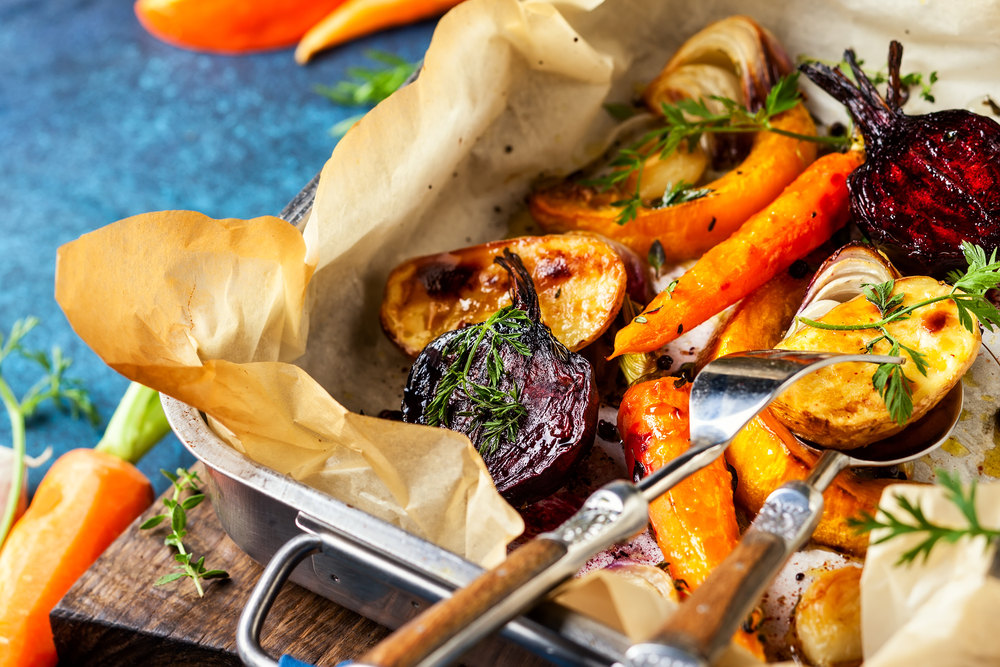
But if nothing else, roasting a load of veggies twice a week – and having a cupboard stacked with beans (not baked, ideally) and legumes – is probably the most essential meal prep you can do. Herbs and spices are your friends here, buy a good cajun seasoning and thank me later.
Water is your friend
I used to get two litres a day, and now I aim for around four. This has made a difference to my energy levels (which in turn has meant I am more disciplined with my routine), and around meal-time I find it does contribute to feeling full. A lot of the time, I have sparkling water. While there’s a slight long-term concern around tooth enamel, it is by far better than most non-still water alternatives. If I really do want a bit of fun, I’ll squeeze some citrus juice into it.
Walking is a secret powerhouse
Averaging around 10,000 steps a day has become second nature to me. Some weeks, due to heavy work commitments (which are home-based), I do a long walk across the weekend and closer to 6,000 a day in the week, but the non-negotiable is to get out there for half an hour during a lunch break (and ideally before work too).
This wasn’t the only cardio-adjacent exercise I did, but it was the one that I could keep consistent, that generally helped me to feel good, and actually, you’d be surprised at how those calories rack up despite the exertion being pretty low.
Volume to calorie ratios
Quite simply, packing out meals with non-startchy vegetables is a sure-fire way to get satiated while still hitting a deficit. When roasting vegetables to form the basis of my meals, I aim to include (alongside sweet potatoes) a heap of non-starchy vegetables: cauliflower, cabbage, courgettes, in particular.
These foods are primarily water and yet physically they take up a lot of room, which is exactly what you’re looking for. Replacing tortillas with lettuce when making a lean taco or fajita style meal, is also a huge game-changer (and provides a nice crunch!)
Weighing and tracking
The backbone to guaranteed results. If you do have to add a little more than you hoped some days, so be it, but you’re far better off having a sense of the numbers you’re working with than not. Ultimately, a calorie deficit is the only way weight loss occurs, and unless you know the exact calories you’re consuming, you can’t be sure of any results.
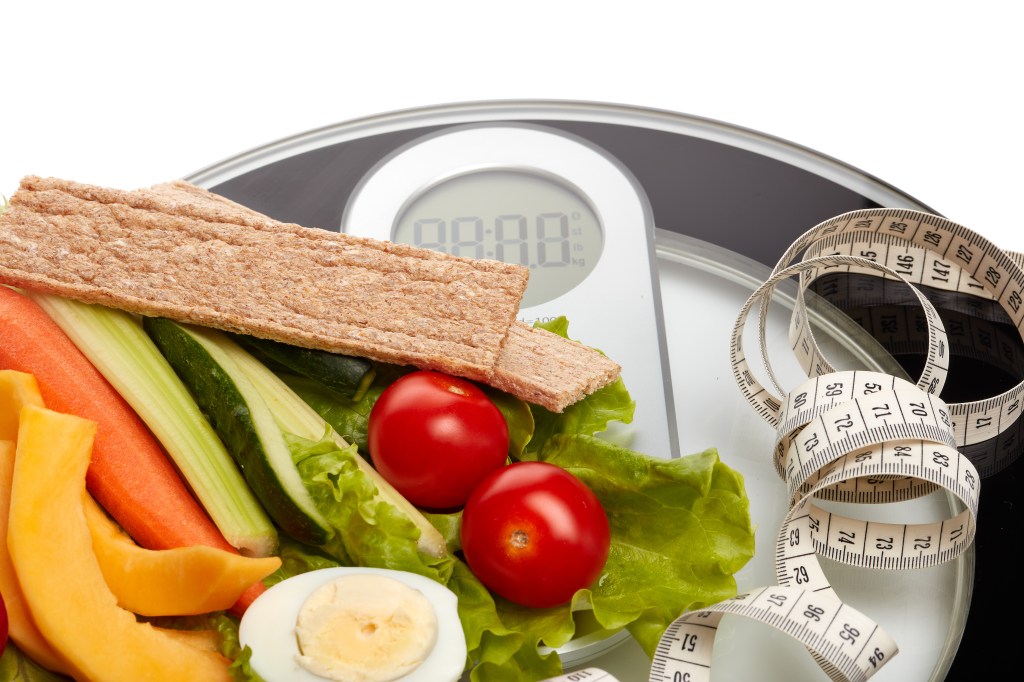
Not constantly checking my weight
While I do try to always track my calories, even if it’s roughly, I don’t weigh my body often at all. For me, checking weight every day is a recipe for losing motivation, not gaining it. Water retention making progress look like a setback, days of hard work clocking in as neutrality, it just isn’t for me.
Checking every week, however, I found tends to at least show a result, which can be a good confidence boost. And these things matter.
Listening to hunger cues properly
Early into this journey, in the evenings, I started to find that I had a slight hunger inside me. This allowed a huge realisation – despite having a seemingly endless appetite, it had been a while since I’d actually felt hunger. This gave me a small incentive to listen to other cues coming from my body – was I hungry, thirsty, or bored?
Did I want a savoury or sweet hit? Eventually, I got to the point where I was able to notice fullness in a more mindful way too. It was no longer a case of quite literally being too full to continue eating.
Fruit is a great craving hack
Have you ever had fruit and realised it is completely delicious? Exactly. Fruit can get a bad reputation in weight loss circles due to the sugar volumes, but it’s fruit, it’s good for you and the ideal sweet treat.
Whether it’s a couple of dates to tie you over until the morning, or a big platter in place of that tub of ice cream you wanted. Fruit is great, worry less about it.
Minimising liquid calories
Liquid calories tend to do the opposite of what high-volume foods do, they can easily rack up calories while giving very little in the way of fullness. Alcohol aside, which I eventually cut back entirely, the liquids I drank were already all zero calories. That is, except for oil.
Of all the adjustments, not using chef levels of oil was the one I found trickiest, and this was so often the area that pushed me from 200 calories under my goal to 200 over. My solution was to decant my olive oils into spray bottles. It simply became too much of an inconvenience to over-indulge.
While not an exhaustive or perfect cheat-sheet for weight loss, these are the things I have done which have been fairly easy and have promoted the consistency to achieve my goals.