
With raw whey up 50% since January and beef prices still climbing, soya chunks are emerging as the complete, high-protein, budget-friendly staple your diet has been missing
WORDS: Rhys Thomas PICS: Shutterstock
Times are tough. We’re all finding that we grimace more at the price of our food shop than ever before, increasingly we’re having to be a lot more calculated with our protein intake, not for gains reasons, but for cost efficiency. We’re optimising budgets just as much as we are macros.
Beef prices are up 4.4% in the last year according to The Grocer. Some reports are suggesting that the cost of raw whey has gone up dramatically.
DCA Market Intelligence (which is in the business of food pricing insights) says that raw whey costs have increased by 50% since the start of 2026 (we’re only half way through the year).
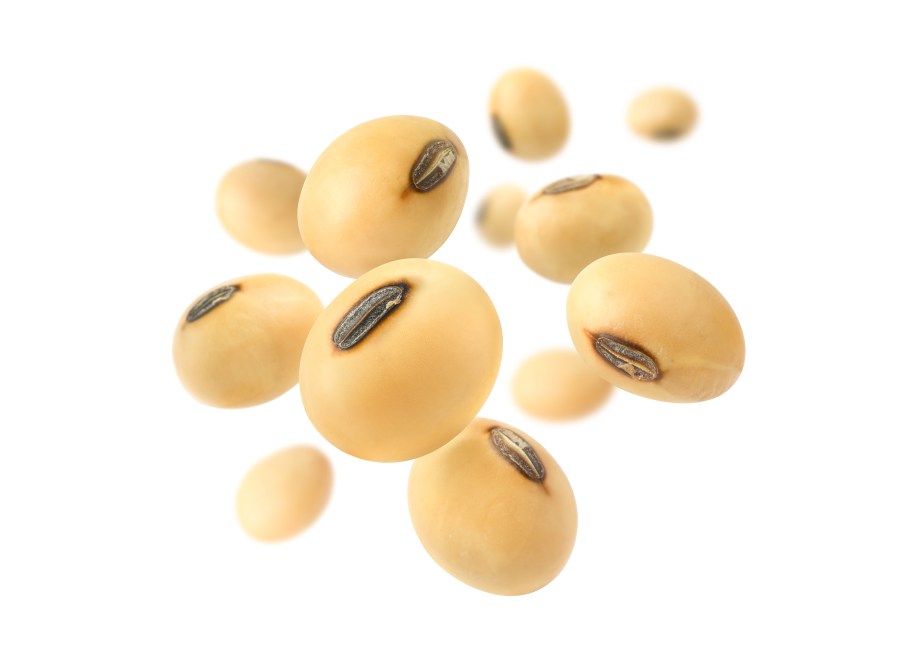
People are looking for alternative, affordable, sources of protein, and the fitness bros of the internet seem to be coming back to one thing: soya beans (glycine max).
Meat-substitutes have had a slight drop off in recent years, with the rise in appreciation for utilising offal alongside eggs, for nutrient-rich and unprocessed sources of protein; but we are more aware of, and receptive to the idea of plant-protiens than ever – especially when considering economic benefits – which makes the soya revival less of a surprise than you may think.
Across various sectors of the internet, curiosity of, and general awareness-spreading of soya as a protein source to consider buying (and in bulk, due to its shelf-stability) has become increasingly widespread. So, is this as foolproof an idea as it seems? We’ve got the answers.
What soya products are people buying?
Generally, the focus is on soya chunks or soya mince, also sometimes known as “Textured Vegetable Protein”, made entirely from soya beans.
They’re generally sold in bags weighing between 250g and 20kg, which might sound excessive but as the product is dehydrated, they can comfortably last a year when stored correctly, and don’t need refrigeration (an air-tight container will do).
When it comes to price, the UK’s largest supermarket chain has soya chunks priced at £4.80/kg in 250g packages.
Are soya chunks a good protein source?
Here’s the ticker – they are absolutely a good protein source. Made from soybeans, they contain all the essential amino acids, making them one of the more complete plant-based protein sources around. While there’s slight variance, 100g of dry soya chunks typically contains 47g protein and 17g fibre to 1g of fat, within 330 calories.
A good portion size would be about 50g of dehydrated soya chunks, which expand to 150g when soaked. This packs 23.5g of complete protein and 8.5g of fibre in just 115 calories.
Are soya chunks healthy?
Yes. Worries of hormone imbalances due to soy or isoflavone intake hormones have been debunked, especially when eaten in fairly normal quantities. Additionally, the high fibre, good levels of polyphenols, trace minerals, copper, vitamin K1 and vitamin B9 (Folate).
The macros of course, speak for themselves! There’s a clear reason those in the fitness community looking for lean high-protein sources that don’t break the bank are now re-entering the world of soy. It is proving itself as an affordable and convenient staple to incorporate into a lean diet.
What’s the best way to cook soya chunks?
As soya chunks are dehydrated, the essential thing to do is to rehydrate them. This can be done by soaking them in just-boiled water for ten minutes, rinsing them in cold water, and finally squeezing out the excess moisture.
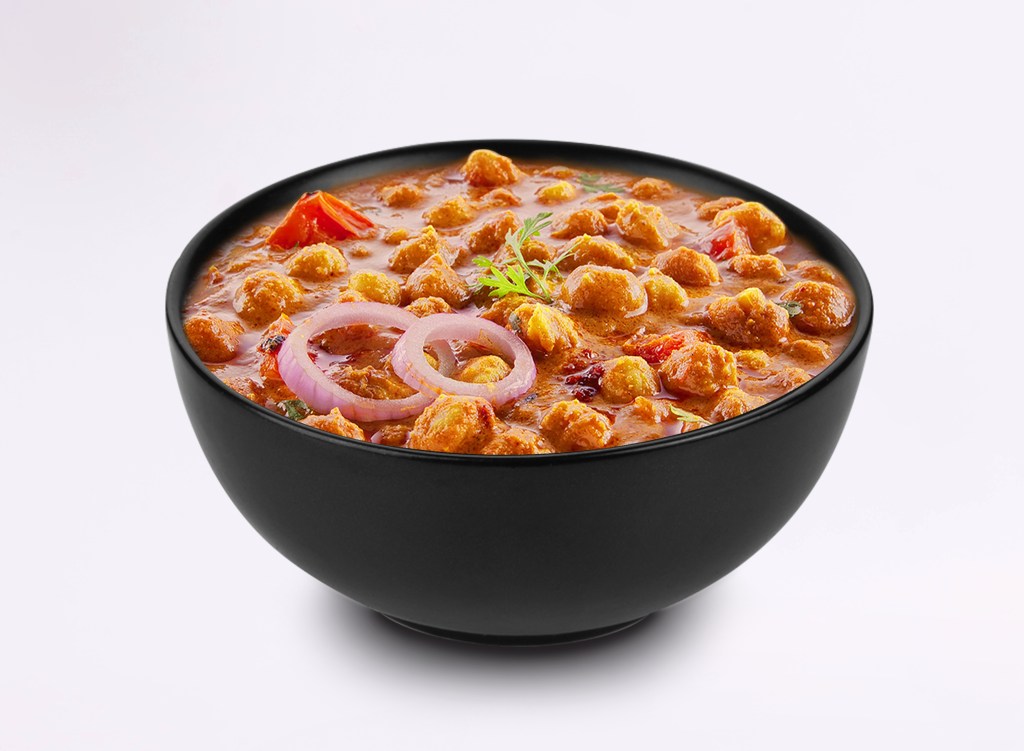
This is the most simplistic way to consume them also, but like tofu, soya chunks are excellent at absorbing flavour – adding them to stir-fries or curries is a go-to for many, with a variety of recipes online.
They also work well within a chilli, added to a basic pasta in place of meat, or within a salad seasoned with a little soy sauce. You can also shred them into soup or broth.
So there you have it – while soya is less familiar to the western world, we have increasingly good access to this plant-based protein and ways in which to enjoy it as part of our nutrition.
Not only does it cut costs without reducing gains, but it also is a way to have a few more meat-free meals up your sleeves (good for the carbon footprint) and it is a great fibre-booster – an area men especially neglect.