
Most men spend decades building a retirement fund. Far fewer spend time building the strength, mobility and endurance they’ll need to actually enjoy it. Here’s why your future retirement body may matter as much as your future bank balance
For years, I thought fitness had a finish line. Maybe not an official one, but a point where I’d done enough. Build some muscle, keep the waistline under control, stay reasonably active and avoid becoming one of those men who groans every time they get out of a chair. Job done (well almost, the groaning is still a thing).
But recently, I started thinking about retirement differently. Not the financial side. Like most people, I’ve spent plenty of time worrying about pensions, savings and whether I’ll have enough money to enjoy the years after work. What I hadn’t really considered was whether my body would be capable of enjoying them too.
What could retirement look like?
It’s a strange oversight when you think about it. We spend decades preparing financially for retirement. We meet advisers, monitor investments and make careful plans. Yet many of us give little thought to whether we’ll still be physically able to do the things we’re saving for.
The dream retirement often looks remarkably active. Travelling through Europe. Hiking in national parks. Playing golf several times a week. Chasing grandchildren around the garden. Exploring new cities on foot. Carrying luggage through airports without needing help.
All of these activities require something many people begin losing in middle age: physical capability. The reality is that fitness after 50 isn’t really about aesthetics anymore. It’s about maintaining freedom.
That shift in perspective has completely changed how I think about exercise – especially given my own trip down sniper’s alley five years ago when I had a pacemaker fitted for Sinus Node Syndrome.
Changing focus
Instead of asking how many press-ups I can do, I find myself wondering whether I’ll still be able to get up off the floor easily at 75. Rather than focusing solely on muscle size, I’m more interested in maintaining the strength needed to lift heavy bags, carry shopping and remain independent.
Researchers have repeatedly found that simple measures of physical function can tell us a great deal about future health. Grip strength, walking speed, balance and lower-body strength aren’t just indicators of fitness; they’re predictors of how well we’ll cope with ageing.
That might sound less exciting than chasing visible abs, but it’s arguably far more important. After all, nobody reaches retirement and wishes they had spent more time worrying about the definition of their upper chest.
What people do wish for is the ability to keep doing the things they love.
Take walking, for example. It sounds simple, but being able to comfortably walk for hours opens up enormous possibilities. It means exploring cities on holiday. It means joining friends for a day out without constantly looking for places to sit down. It means maintaining independence long after many people begin limiting their activities.
The same is true of strength. Being able to lift a suitcase into an overhead locker, carry a grandchild or move furniture without fear of injury doesn’t require bodybuilder levels of muscle. It simply requires maintaining enough strength as the years pass.
Mobility may be even more important. Many adults don’t realise how much they’ve lost until everyday tasks become difficult. Reaching high shelves, tying shoelaces, getting in and out of cars or bending down to pick something up all become more challenging when joints stiffen and movement declines.
This is why some fitness experts talk about training for the life you want in 20 years’ time rather than the body you want in six months.
The new goal
It’s a subtle difference, but a powerful one. The goal becomes building a body that’s resilient rather than impressive. A body that can adapt to challenges, recover from setbacks and continue functioning well long into later life.
That doesn’t mean giving up ambitious goals. Far from it. Many people achieve incredible fitness levels in their 50s, 60s and beyond.
The difference is that the motivation changes. You’re no longer exercising purely to look younger. You’re exercising because you want to remain capable. That might mean even taking up a new sport (for me that’s been tennis).
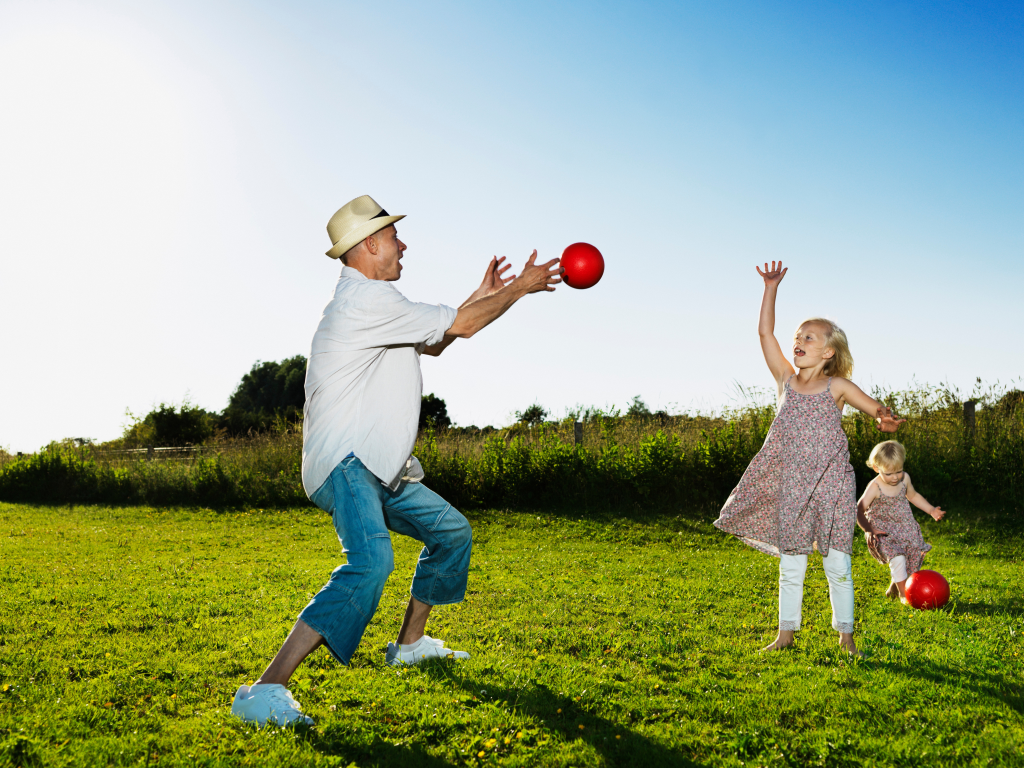
You want to be the person who says yes to the hiking trip. The walking tour. The active holiday. The spontaneous game in the garden with your prospective grandchildren.
And perhaps that’s the most important realisation of all. Retirement isn’t really about stopping work. It’s about gaining time.
Time to travel. Time to pursue hobbies. Time to spend with family. Time to enjoy experiences that may have been postponed for decades. But all that time becomes far less valuable if your body can’t fully participate.
So perhaps the most important retirement plan isn’t sitting in a pension account at all. Perhaps it’s being built every time you go for a walk, lift a weight, stretch a stiff joint or choose to stay active.
Because while money may buy opportunities in later life, fitness is often what allows you to take them.