

From bone strength to muscle maintenance, the right supplements can support your health in midlife – but most men are wasting money on the wrong ones. Here’s what truly works, according to the science
Walk into any supplement aisle and you’ll find a wall of promises: more muscle, better energy, sharper thinking, longer life. For men over 50, the messaging becomes even more targeted – and more confusing. Testosterone boosters. Joint miracles. “Anti-aging” blends with proprietary formulas and premium price tags.
The reality is far less glamorous. After 50, muscle mass declines, bone density drops, hormone levels shift, and recovery slows. Nutrition becomes less efficient, and even a well-balanced diet may not cover everything your body now requires.
But here’s the key point: only a handful of supplements consistently prove their value.
Everything else? Often expensive guesswork.
The shift after 50: why the right supplements start to matter
In your 20s and 30s, your body is resilient. By your 50s, it’s more selective—and less forgiving.
Protein synthesis declines. Vitamin D production from sunlight becomes less efficient. The gut absorbs certain nutrients less effectively. And lifestyle factors—stress, sleep, reduced activity—compound the problem.
With that in mind, here are the right supplements that actually earn their place.

1. Vitamin D: The Foundation Most Men Are Missing
Vitamin D isn’t just about bones—it’s tied to immune function, muscle strength, and even mood regulation.
In the UK, where sunlight is limited for much of the year, deficiency is common—especially in older adults.
Vitamin D is one of the few supplements where widespread deficiency and clear benefits overlap. That makes it a sensible baseline for many people.
Low levels have been linked to reduced muscle function and increased risk of falls—two issues that become more relevant with age.
A daily supplement, particularly during autumn and winter, is often recommended.
2. Protein: Not a Pill, But Still Essential
While not a supplement in the traditional sense, protein intake becomes critical after 50—and many men underestimate how much they need.
Muscle loss, or sarcopenia, accelerates with age. Without enough protein, resistance training becomes less effective, and strength declines faster.
Older adults actually need more protein per kilogram of body weight than younger people. It’s one of the most overlooked factors in healthy ageing.
If you struggle to meet your intake through food alone, a high-quality protein powder can be a practical addition—especially post-workout or between meals.
3. Creatine: Not Just for Young Lifters
Creatine has long been associated with bodybuilders, but its benefits extend far beyond the gym.
Research shows it can support muscle strength, improve recovery, and even contribute to cognitive function in older adults.
For men over 50, maintaining strength isn’t about aesthetics—it’s about longevity, independence, and injury prevention.
Creatine helps support all three.
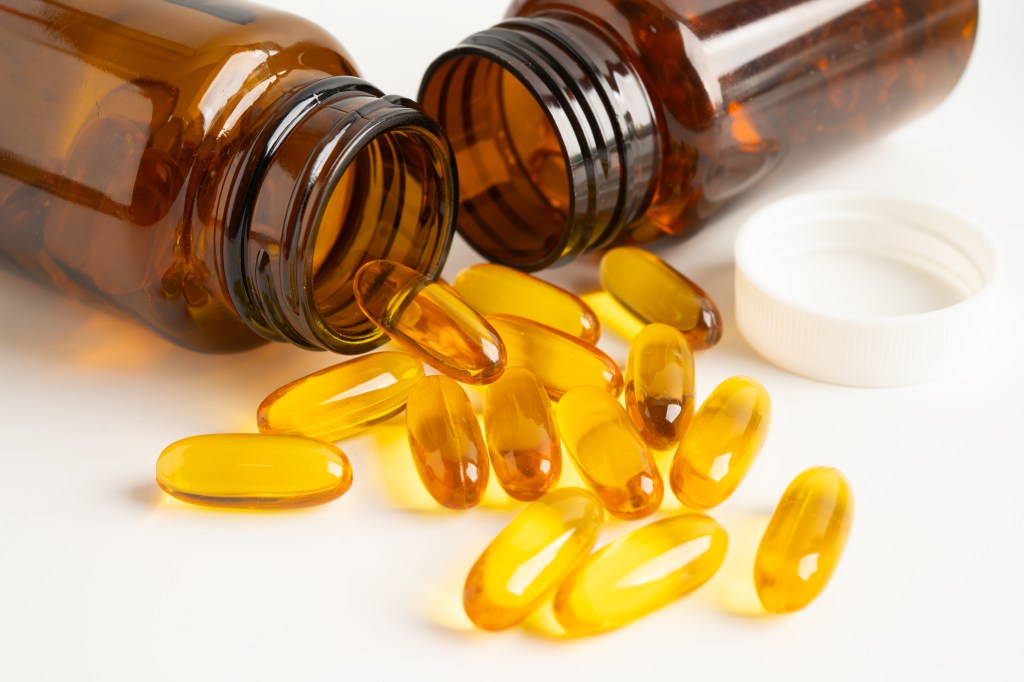
4. Omega-3 Fatty Acids: Heart and Brain Support
Omega-3s – found in fatty fish like salmon and mackerel – are linked to cardiovascular health, reduced inflammation, and brain function.
If your diet lacks oily fish, supplementation can help bridge the gap.
There’s good evidence that omega-3s support heart health, particularly in people who don’t consume enough through food.
Some studies also suggest benefits for joint stiffness and cognitive ageing, although results are mixed.
Still, for many men, omega-3s represent a low-risk, potentially high-reward addition.
5. Magnesium: The Quiet Multitasker
Magnesium rarely gets the spotlight, but it plays a role in over 300 biochemical processes, including muscle function, sleep quality, and nerve health.
Deficiency isn’t always obvious – but it’s not uncommon.
Magnesium is one of those nutrients where suboptimal levels can subtly affect everything from sleep to recovery.
For men experiencing poor sleep or muscle cramps, supplementation may be worth considering.
What About Testosterone Boosters?
This is where marketing and reality sharply diverge.
Despite bold claims, most over-the-counter testosterone boosters have little credible evidence behind them.
Testosterone can decline with age is real, but often this is exacerbated by lifestyle factors (work, stress, alcohol etc). Supplementing can only play a minor role.
In other words: save your money.
The supplements you probably don’t need
Multivitamins, collagen powders, proprietary “anti-aging” stacks—these often dominate the market, but their benefits are inconsistent at best.
That doesn’t mean they’re useless. It means they’re not essential.
People often look for complexity when the answer is simplicity. A few targeted supplements, alongside a good diet, will outperform a cupboard full of pills.
The bigger picture: supplements are support, not strategy
It’s tempting to see supplements as a shortcut – a way to offset declining energy, slower recovery, or creeping weight gain.
But they don’t work that way.
The real drivers of health after 50 remain unchanged:
- Resistance training to preserve muscle
- Cardiovascular exercise for heart health
- Adequate protein intake
- Quality sleep
- Consistent, balanced nutrition
Supplements sit on top of that foundation—not in place of it.
What does it all mean?
If you’re over 50, the goal isn’t to take more supplements—it’s to take smarter ones.
Start with the essentials: vitamin D, protein (if needed), creatine, omega-3s, and possibly magnesium. Build around your actual needs, not marketing promises.
Because in the end, the most effective supplement stack isn’t the most expensive—it’s the one that does exactly what your body now requires, and nothing more.
[ERRATUM: this article has been edited to remove quotes by Andrew Steele which were used in error]