

Shoulder pain, a busy gym or a training plateau don’t have to stop your progress. These five exercises can build size and strength while giving your joints a break
PICS: Shutterstock
The barbell bench press gets treated as the only real measure of a strong chest, but it isnʼt the only way to build one. Shoulders that donʼt love heavy pressing, for example, or sticking points that never budge and gyms with one occupied bench are all good reasons to have alternative chest-building exercises ready.
The moves below hit the chest from different angles, are kinder on the joints and will build muscle the bench canʼt reach on its own. Rotate one or two into your routine and your chest day stops depending on a single lift.
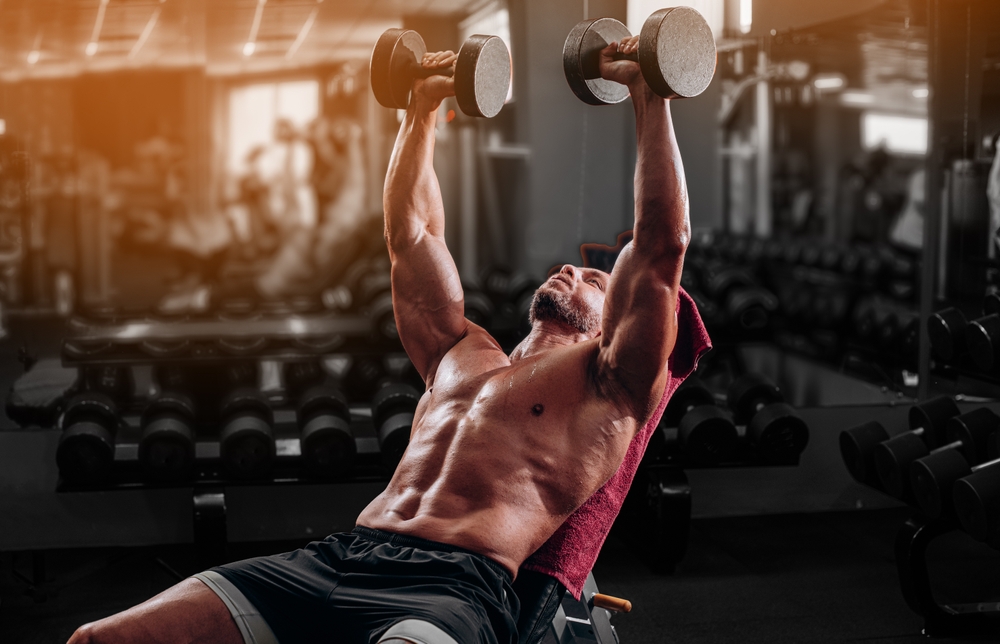
Dumbbell bench press
Swapping the barbell for dumbbells forces each side of your chest to work independently, which irons out strength imbalances a barbell often hides through ego lifting or body english.
It also provides a greater range of motion, since dumbbells can drop lower than a bar allows and puts more stretch through the pecs at the bottom of the movement.
Youʼll likely need to drop the total weight compared with a barbell, so focus on a controlled lowering phase and a full squeeze at the top, keeping your shoulder blades pinned to the bench throughout.
Weighted dips
Dips load the lower chest in a way flat pressing movements struggle to match. Lean your torso forward slightly as you descend to shift emphasis away from the triceps and onto the pecs. Incrementally add weight once bodyweight dips feel easy, building up in small jumps.
Depth matters here, so go too low too soon and youʼll strain your shoulders, so build range and confidence gradually, eventually moving from single- to double-digit reps.
Dips also carry over well to pressing strength generally, making them a smart addition rather than a straight swap.
Floor press
Performed exactly like a bench press but lying on the floor, this variation shortens the range of motion by stopping your upper arms at the ground.
This makes it useful for lifters managing shoulder discomfort or still harbouring injuries, since it removes the deepest, most vulnerable part of the movement. Itʼs also a strong option for building lockout strength — the final push at the top of a press — where many people stall. Use a barbell or dumbbells, and you’ll feel your triceps working harder than usual.
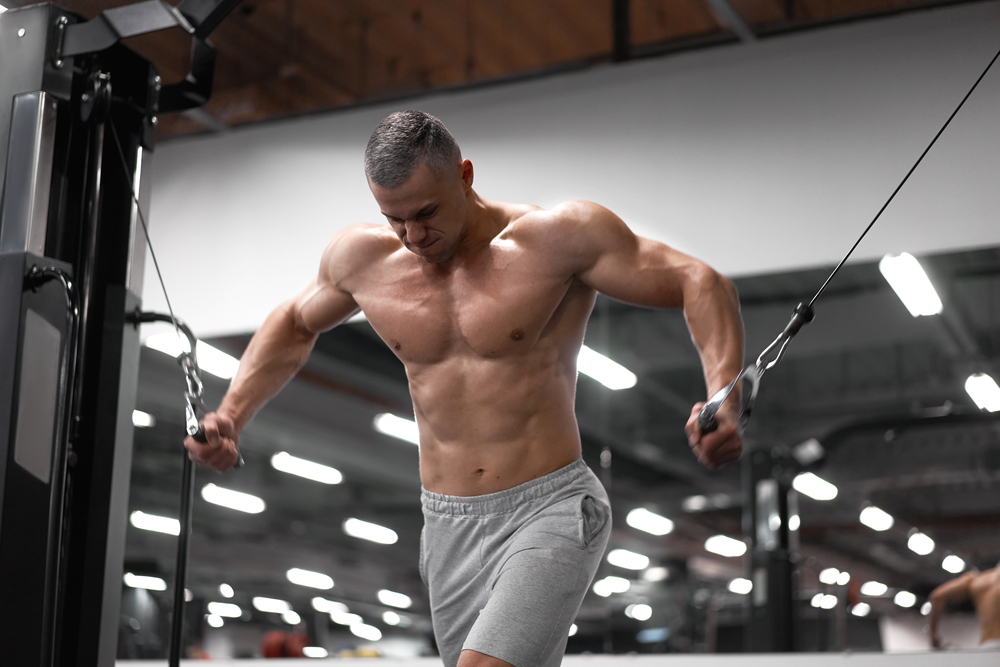
Cable flyes
Where pressing movements involve the triceps and shoulders as well as the chest, cable flyes isolate the pecs almost entirely.
Constant tension through the cable, unlike a dumbbell that goes slack at the top of a fly, keeps the muscle working through the full movement. Standing between two cable stations, pull the handles together in a wide arc, focusing on squeezing the chest rather than just moving weight.
These work well later in a session, once heavier pressing has already been done.
Landmine press
Anchoring a barbell in a landmine attachment and pressing it at an angle takes strain off the shoulder joint while still loading the chest heavily.
The upward trajectory mimics an incline press without the same shoulder positioning demands, making it a solid option for anyone whoʼs found flat or incline barbell work uncomfortable.
Press from a half-kneeling position to add a core stability challenge, or stand for a heavier, more chest-focused variation. Itʼs an underused lift that, done correctly, deserves a permanent spot in most routines.