

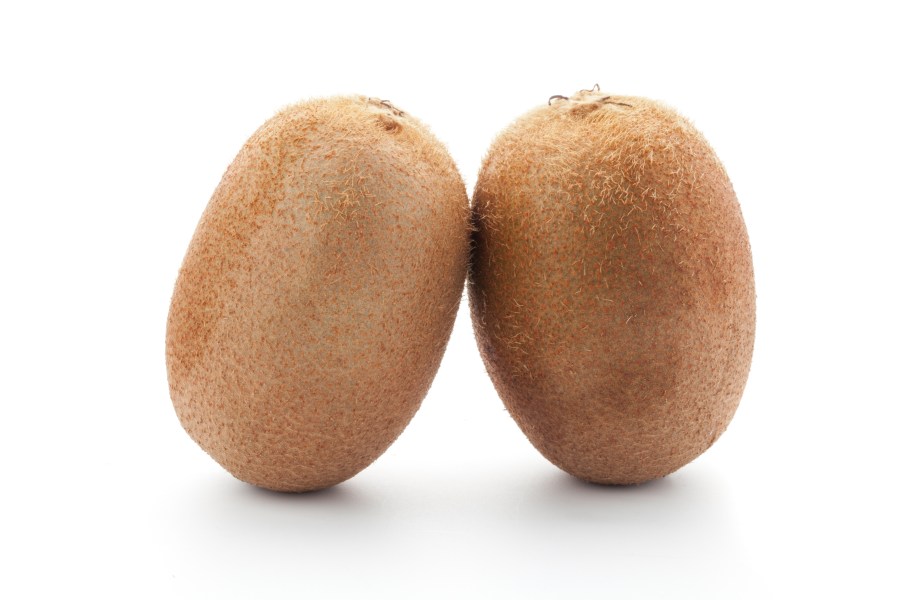
From “t-maxxing” hacks to red-light “bromeopathy”, testicular tanning has become the internet’s latest testosterone obsession. But while influencers claim it can supercharge male hormones naturally, doctors say there’s little scientific evidence behind the trend — and warn it could even harm fertility instead
Have you heard of the latest wellness fad, testicular tanning? This new health trend claims to boost testosterone in men by using red light therapy on their testicles. It comes alongside many other ‘t-maxxing’ online trends which claim to supercharge the hormone without needing TRT.
The idea was spearheaded by conservative American TV host Tucker Carlson, back in 2022, on his documentary Tucker Carlson Originals: The End of Men, in which footage was shown of a man exposing his testicles to red light – all under the bracket of ‘bromeopathy’.
“Half the viewers are going to be like ‘what, testicle tanning – that’s crazy!’, but my view is, testosterone levels crash and nobody says anything, that’s crazy, so why is it crazy to seek solutions?” said Carlson in an interview about it.
However, despite claims online that it can help boost testosterone, many experts are sceptical and warn that it could actually be a health risk in terms of causing damage to your skin, or could even lower sperm production.
Does testicular tanning work?
To find out what’s really going on, we asked two men’s health expert doctors about the latest t-maxxing trend. So is there any truth to these elaborate claims?
Dr Jeff Foster, Men’s Health Medical Director at digital healthcare provider at Voy does not believe there is any evidence that ‘tanning’ can help with testosterone levels. “It might be gaining traction on social media, but your testicles don’t need regular exposure to the sunshine,” confirms Foster.
“There’s no scientific evidence that sunbathing them boosts testosterone or supercharges fertility – despite what some influencers might claim.”
“In fact, extra heat (and UV exposure) can raise scrotal temperature, and sperm production works best slightly below body temperature,” he says. “That is the reason why testicles sit outside your body.”
Dr David Weinstein agrees. He’s been a GP for 20 years, was formerly working at Newman and now owns his own men’s health clinic. Does he think online trends like testosterone tanning work? “No, I really don’t,” he says. “These are mostly internet trends, and I don’t think there’s much evidence for any of them!”
“[Some of these trends] are probably nonsense, and just really just content for people that they’re trying to sell,” he says.
Instead, the doctor recommends healthy adaptations to lifestyle to improve testosterone levels. He recommends sleeping well, clean living, cutting back on the booze and going to the gym can help. You can find more about how to boost your testosterone levels naturally here.
What to do if you think you have low testosterone levels (that don’t involve tanning your b*lls)
If you have low ‘t’ you may also be experiencing symptoms such as brain fog, fatigue, low libido, erectile issues and low mood. If you can relate to these, or are generally concerned you may have low levels of testosterone, you should ask your doctor for a blood test. You need to find out if what you’re experiencing is actually related to testosterone – as having high levels of the hormone can cause a range of problems too.
“Get that screen from a doctor-led clinic, not an online TRT clinic that is just dishing out TRT like Smarties,” says the Medical Director of The Men’s Health Clinic, Dr Stevens. “You need to be speaking to somebody that knows what they’re talking about, not a salesperson that wants to sell you testosterone,”
It’s always recommended to try and make lifestyle adjustments first before looking into other options like TRT, as low testosterone is so often caused by stress or diet.
“If you were a man with clinically low testosterone levels but you were drinking a bottle of whiskey every week, you have to address that, otherwise TRT’s going to be a waste of time because you need to have a holistic approach to health,” he explains.
If you’re clinically low in testosterone and lifestyle changes haven’t worked, TRT treatment can be life-changing for those who need it.