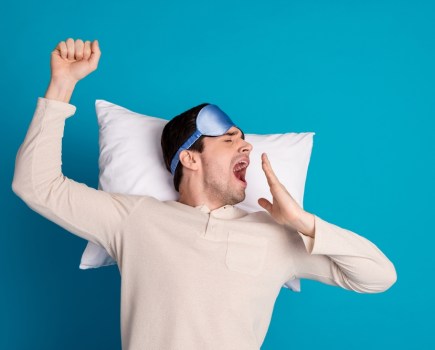

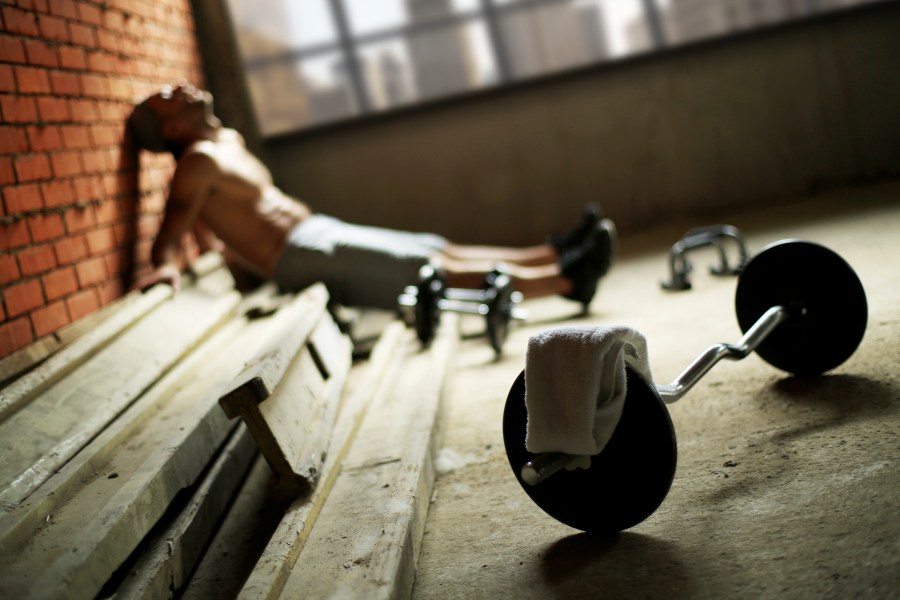
Don’t let all your hard work make your sleep suffer, experts say. Here’s what you can do to help catch some proper shuteye
When it comes to your health and wellbeing, it can sometimes feel like you’re taking one step forward and two steps back. If you’ve just started working out, improving your routine, or upping the volume, and have noticed a change to your sleeping pattern – you might be able to relate to this.
According to experts, the two things might be linked; apparently a change in your fitness routine can really impact how well you rest at night – how frustrating! To ensure all your hard work isn’t in vain, we asked experts at Panda London why this happens, and how to ensure it doesn’t get in the way of progress.
Why can a new fitness regime impact my sleep ?
New fitness regimes can affect our bodies in both positive and negative ways – but the impact it has on your sleep could be significant. “In the short-term, when you begin to increase your activity levels, you can become more restless, leading to lighter sleep and more frequent wakeups in the night,” says Dr Seeta Shah from Panda London. “This can lead to tiredness the following day and can also have an impact on motivation to continue with your new routine as a result.”
“Additionally, DOMS (delayed on set muscle soreness) can also make it harder to sleep when you begin a new work-out routine,” adds Dr Seeta. “This is because your muscles will ache, making you more aware of your body and in-turn making it harder for you to drift off.” But here’s what you can do to help.

So, how can I stop my workout impacting my sleep?
Before you get too worried, there are things you can do to ensure that your sleep doesn’t cause a setback in your routine. Below, the health experts from Panda London have advised on a few simple bedtime habits that can help you recover and sleep better.
- Stretch before bed
“When winding down for bedtime, it is worthwhile to start building in stretching to your nightly routine,” says Aimee Victoria Long, fitness expert at Panda London. “This will not only prepare your body for sleep, but it will also help increase your mobility overall.” According to Aimee, the stretches will decrease the likelihood of DOMS or any aches in your muscles. “Simple stretches such as the cat cow stretch, cobra pose, bridge pose, and the knee to chest stretch can be incorporated into your bedtime routine,” she says. “Stretching also helps you to wind down and signal to your body that it is bedtime.”
- Ease into new changes gradually
“One of the most important things to do when starting a new routine is to try and ease yourself and your body into it and start small,” says Aimee. “Doing this will not only help with muscle soreness, but it also gives your overall body function, including your circadian rhythm, time to catch up and adjust to your new exercise programme,” she advises. “This will help to limit the disruption to your sleep and allow you to be well rested for when you start to progress in your regime.”
- Exercise earlier in the day
James White, orthopaedic expert from Panda London, says that adjusting the time of your workout can also help lessen the effect on your sleep. “Try and exercise early in the day, or at least three hours before going to sleep,” he suggests. “This is because exercising close to bedtime can increase adrenaline, cortisol, and your internal body temperature, which can all contribute to making it exceedingly difficult to get to sleep at night.”
- Check your mattress
“Ensure that your mattress offers the right level of support for your body,” adds James. “This will not only mean you get a good night’s sleep but will also aid in muscle recovery.” James explains that mattresses that are too thin or not supportive can have a detrimental impact on your recovery during sleep. “Choosing a medium firm to firm mattress will give your muscles the right level of support, allowing them to recover and reduce achiness,” he says. “Alternatively, investing in a mattress topper will give you the additional support needed for muscle recovery.”