

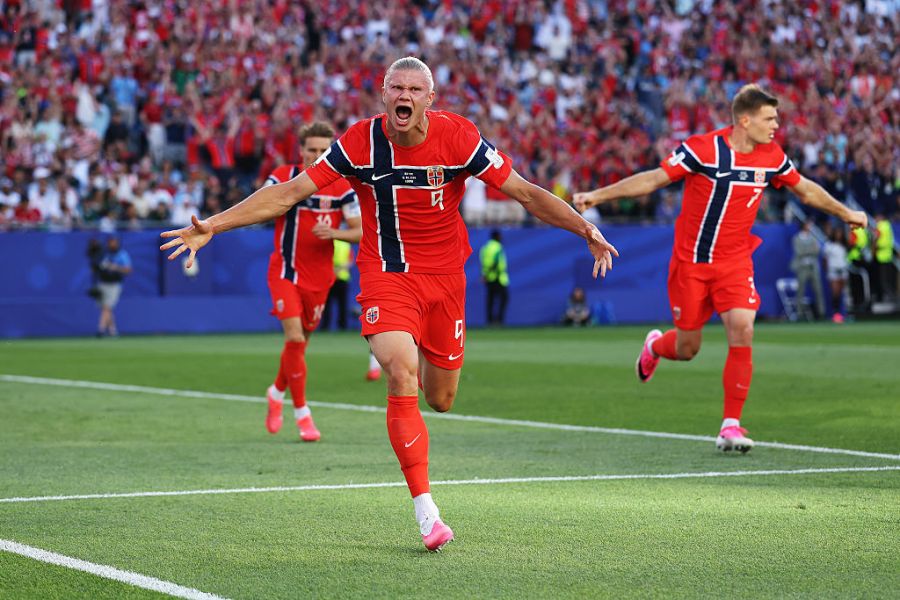
Most teams bring analysts, recovery gadgets and tactical masterminds to the World Cup. Norway brought half a tonne of seafood. It sounds absurd, but there may be a method behind the madness
PICS: Getty Images/Tom Haga/NSC
Most teams bring analysts, recovery gadgets and tactical masterminds to the World Cup. Norway brought half a tonne of seafood. It sounds absurd, but there may be a method behind the madness.
Elite sport has become obsessed with marginal gains. Athletes sleep in altitude tents, monitor their recovery through wearable technology and analyse every aspect of their performance in search of an advantage. So when Norway arrived at the 2026 World Cup armed with more than 500kg of seafood, it inevitably raised a few eyebrows.
Was this a bold nutritional strategy? A patriotic display of national pride? Or simply the world’s most ambitious fish delivery?
The answer is a bit of all three.
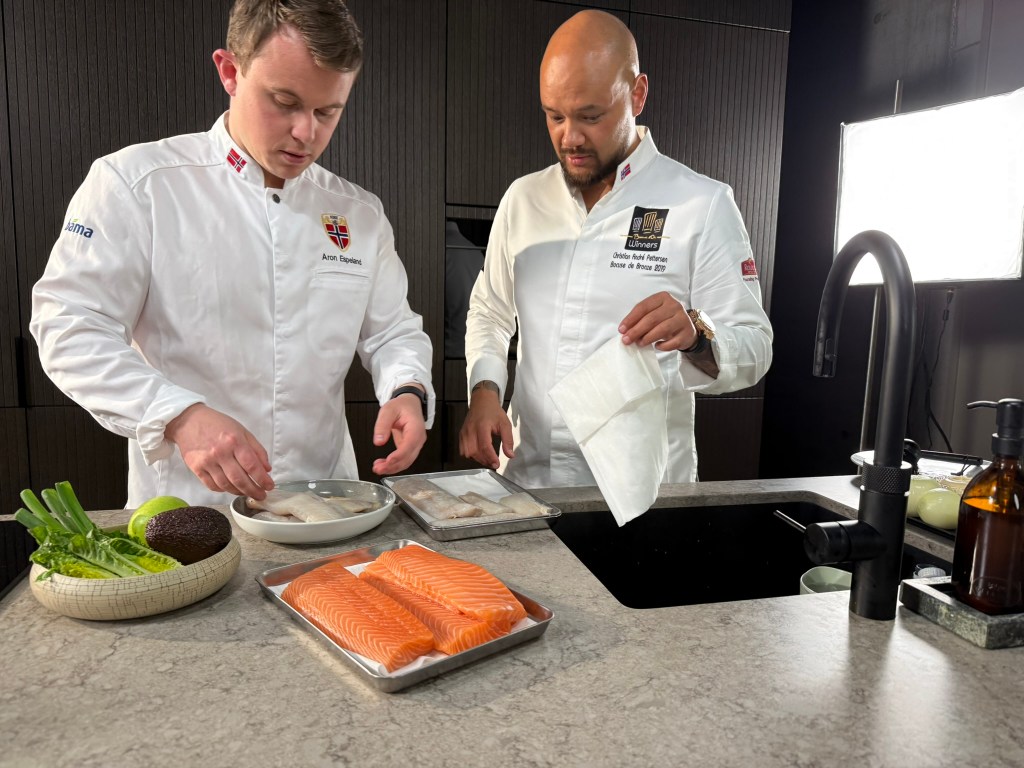
According to the Norwegian Seafood Council, national team chef Aron Espeland has transported a huge supply of Norwegian seafood to the United States to help fuel the squad throughout the tournament. That means salmon, trout, Arctic char, halibut, king crab, snow crab and langoustines are all on the menu as Norway looks to make its mark on the biggest stage in football.
While many fans will be focused on the exploits of striker Erling Haaland and his teammates, Espeland’s role is arguably just as important. Modern football places enormous demands on the body. Players can cover more than 10km during a match, repeatedly sprinting, changing direction and battling physically for possession. Recovery between games becomes critical, especially during a condensed tournament schedule.
That is where nutrition comes into play.
“Proper nutrition is very important when they are performing at the highest level,” Espeland says. His task is to ensure players receive meals that are varied, nutritious and appealing while providing the vitamins, minerals and energy required to perform consistently throughout the competition.
The case for seafood
The good news for Norway is that seafood has a strong nutritional case behind it.
Fish and shellfish are rich in high-quality protein, which plays a key role in muscle repair and recovery. Following intense exercise, the body needs amino acids to rebuild damaged muscle tissue and adapt to training. Getting enough protein is therefore a cornerstone of any athlete’s nutrition plan.
Seafood also provides a number of nutrients that are particularly relevant for athletes. These include vitamin D, iron, selenium and vitamin B12, all of which support energy production, immune function and overall health. Perhaps most interesting, however, is its omega-3 content.
Omega-3 fatty acids have become one of the most talked-about nutrients in sports nutrition. Research suggests they may support cardiovascular function, help manage inflammation and contribute to recovery following intense exercise. There is also emerging evidence linking higher omega-3 intake with cognitive performance, an intriguing prospect in a sport where decision-making often needs to happen in fractions of a second.
Of course, Norway is not suggesting that salmon is going to turn a Sunday league footballer into Haaland overnight. But at elite level, where the difference between winning and losing can be incredibly small, every advantage matters.
And if we’re being honest, seafood is a far more appetising performance strategy than some of the alternatives athletes have experimented with over the years.
The Norwegian players certainly don’t appear to need much convincing. According to Espeland, fish and shellfish are already popular within the squad, making it easier to build menus around ingredients that are both nutritious and enjoyable.
The social network
There is another aspect of team nutrition that is often overlooked: the social side.
Tournament football can be an intense experience. Players spend weeks away from home, living and working together under constant scrutiny. Shared meals provide an opportunity to relax, connect and create a sense of normality amid the pressure.
Espeland believes good food helps create a positive atmosphere around the squad, turning mealtimes into an important part of team culture rather than simply a refuelling stop. In a sport where confidence and morale can influence performance, that benefit should not be underestimated.
Norway’s seafood obsession even extends beyond football. The nation is also one of the most successful countries in the history of the prestigious Bocuse d’Or culinary competition. Norwegian chef Christian André Pettersen, who will represent the country again in 2027, has thrown his support behind the team’s seafood-heavy menu and argues that quality nutrition is vital for helping athletes recover and perform under pressure.
Will 500kg of seafood be the difference between World Cup glory and an early flight home? Probably not.
Football matches are still decided by tactics, talent and moments of brilliance rather than what happens at the dinner table. Yet Norway’s approach is a reminder that elite performance is built on countless small decisions, many of which never make the highlight reels.
And if nothing else, while other nations debate tactics and formations, Norway can take comfort in knowing one thing: nobody at this World Cup is eating better.