

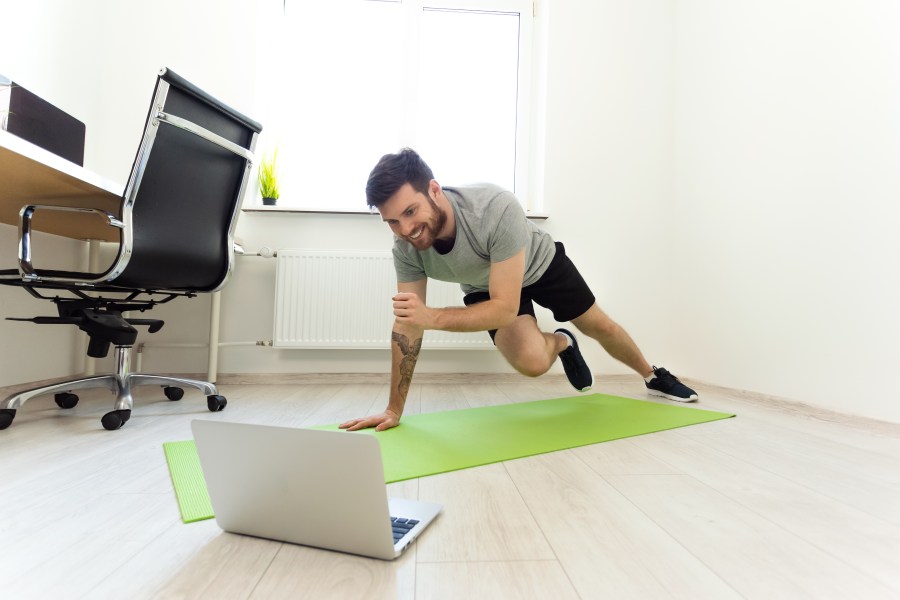
Struggling to fit exercise into a busy schedule? Try microdosing – it could be time-saving answer for all your needs
With work, family, and household responsibilities, it’s no surprise that millions of Brits feel there’s simply no time left in the day for themselves, let alone for exercise.
But new research has shown how ‘microdosing’ your workouts may be the answer for even the busiest of schedules. A huge 42% of people claim that a lack of time is the main reason they don’t exercise,1 but experts at fitness app Muscle Booster have revealed how short, ‘micro’ workouts can remove the barrier for those who feel they don’t have time for traditional workouts.
What is exercise microdosing?
Microdosing movement is exercising in super short, ‘micro’ bursts. Instead of carving out an hour for the gym, people can use small windows of time, such as a five-minute break between meetings or while making dinner, to get the body moving.
Over time, these short sessions can improve strength and endurance, without the disruption to everyday life.
What the science says
According to a 2025 study2, as little as five minutes of targeted movement each day can significantly boost both physical and mental wellbeing.
The research found that five-minute sessions containing just 10 repetitions of four simple exercises significantly improved muscle endurance and overall strength compared to those who were inactive.
The four exercises that the study found brought results to participants, and that can be easily replicated from the comfort of your home, are:
- Chair squat – Stand in front of a chair, lower yourself as if to sit down, then rise back up without fully sitting.
- Chair recline – Sit on a sturdy chair, lean your torso back slightly while engaging your core, then return to upright.
- Wall push-up – Stand facing a wall, place your hands on it at shoulder height, bend your elbows to bring your chest toward the wall, then push back.
- Heel drop – Stand on the edge of a step with your heels hanging off, slowly lower your heels below the step, then lift back up.
The findings show that even a small dose of daily exercise can be beneficial, which offers a solution for people struggling to find time for traditional exercise, or for those who don’t know where to start in their fitness journey.
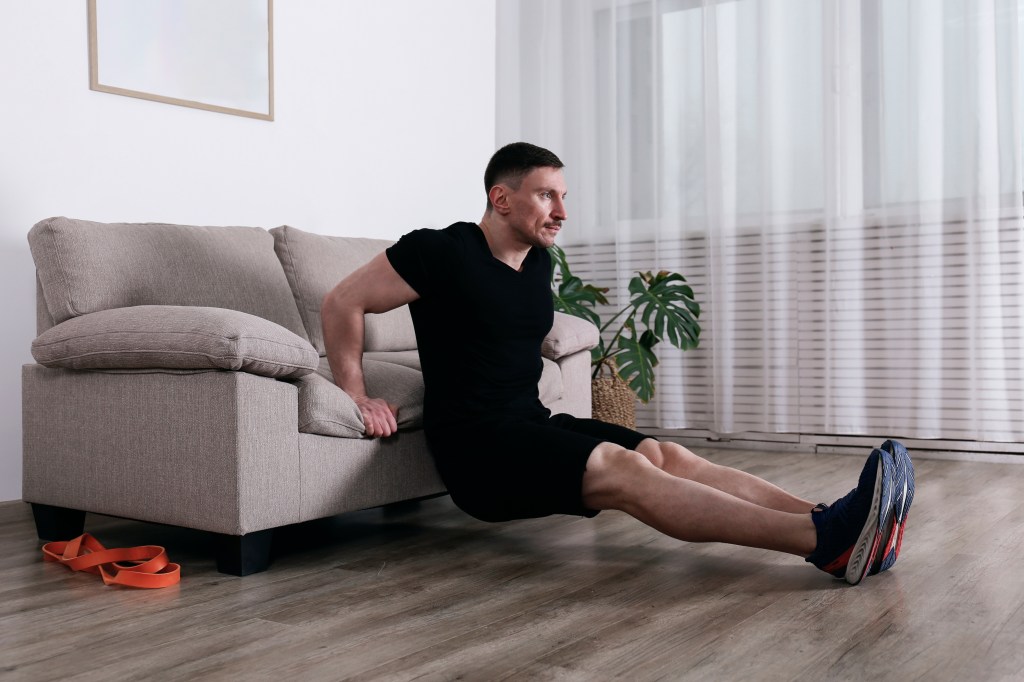
Five tips to start microdosing your movement
To help busy Brits embrace this new approach to fitness, Natasha Tavares, a certified personal trainer at Muscle Booster, has shared her top five tips to help people start microdosing workouts:
- Start small — Commit to just one five-minute session a week when you start. Consistency is the most important part of building a new habit, so make it achievable.
- Pair movement with routine — Linking activity to daily habits helps it stick – and saves you even more time! Do your wall push-ups while your kettle brews or heel drops while brushing your teeth.
- Use what you have — Your home can be your gym. A chair, a wall or the can be all the equipment you need.
- Go at your own pace – Go at a pace that feels comfortable for your body – there’s no need to rush!
- Add it to your to do list — Treat the five minutes of movement like any other daily task. Ticking it off each day can help you stay accountable.