

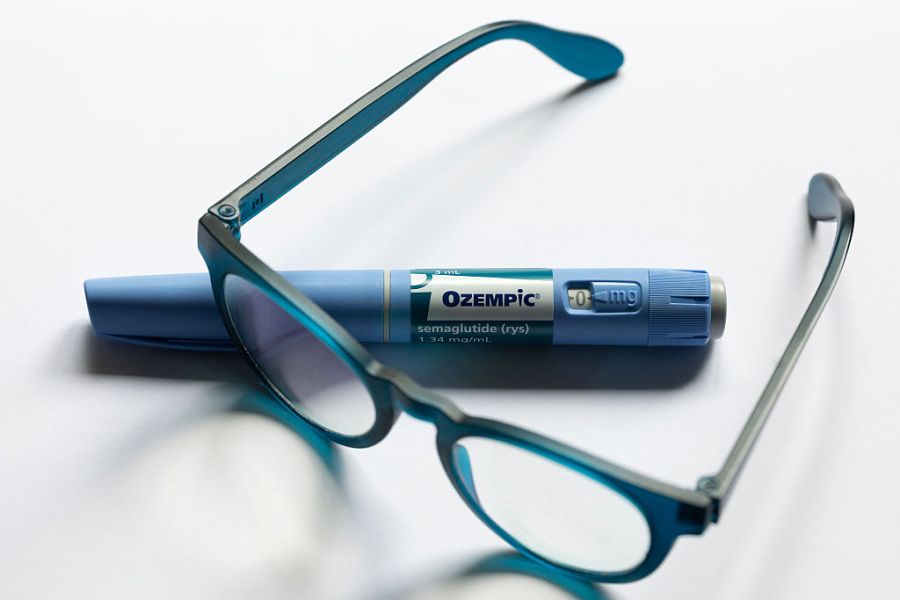
From Silicon Valley to UK clinics, low-dose GLP-1 use is being touted as the ultimate longevity hack. But does taking less actually deliver more?
In biohacking circles, optimisation is everything – and excess is the enemy. The latest frontier is no longer about pushing harder or taking more, but about precision. Enter microdosing GLP-1 drugs, the fast-rising trend that promises fat loss, anti-inflammatory and even longevity benefits – all at a fraction of the usual dose.
These drugs – best known under brand names like Ozempic, Wegovy and Mounjaro – were originally developed to treat type 2 diabetes. They work by mimicking the hormone GLP-1, helping to regulate blood sugar while dramatically reducing appetite. Over the past few years, they’ve transformed the weight-loss landscape. Now, a new wave of users is asking a different question: what happens if you take just enough to nudge the system, rather than overhaul it?
Among those exploring that idea is US tech entrepreneur and longevity obsessive Bryan Johnson. Known for his data-driven mission to slow biological ageing, Johnson recently experimented with microdosing tirzepatide, one of the most potent GLP-1 drugs available. Writing about the experience, he suggested that “microdosing GLP-1-RAs represents a promising approach to leverage their potential longevity benefits while minimizing risks.”
The logic is compelling. GLP-1 drugs don’t just reduce body fat; they appear to influence a wide range of biological systems linked to ageing. Research has shown they can improve cardiovascular health, lower inflammation and enhance metabolic function, with early evidence hinting at protective effects on the brain.
In theory, smaller doses might allow users to tap into these benefits without triggering the well-documented downsides – namely nausea, fatigue and the sometimes aggressive appetite suppression that can make eating feel like a chore.

That idea has gained traction quickly. In the US, it’s already embedded in the biohacking and longevity scene. In the UK, private clinics are beginning to offer lower-dose protocols to clients who aren’t clinically obese but want tighter control over weight and metabolic health. The appeal is obvious: fewer side effects, lower costs and a more sustainable, lifestyle-friendly approach to appetite management.
But this is where the science starts to thin out.
While the benefits of full-dose GLP-1 drugs are backed by large clinical trials, microdosing exists almost entirely outside that evidence base. There are currently no robust studies showing that smaller doses deliver the same cardiovascular or metabolic advantages, or even that they work consistently at all. What users are effectively doing is experimenting – often carefully, sometimes not – on themselves.
And even at reduced doses, the risks don’t disappear. GLP-1 drugs can still cause digestive issues, disrupt energy levels and, in some cases, lead to more serious complications such as pancreatitis or gastrointestinal problems.
For men focused on fitness, there’s another concern: rapid weight loss on these drugs can include lean muscle mass, potentially undermining strength and performance if not carefully managed with training and nutrition.
Johnson himself discovered that optimisation isn’t always straightforward. After tracking his biomarkers, he ultimately stopped his microdosing protocol, reporting that it had increased his resting heart rate and negatively affected his sleep. “I am halting Tirzepatide microdosing because it increased my resting heart rate… and decreased my sleep quality,” he said. For someone who measures everything, that was enough to walk away.
There’s also the legal and practical reality to consider, particularly in the UK. GLP-1 medications are legal, but only when prescribed by a qualified clinician, typically for obesity or type 2 diabetes.
Microdosing falls under off-label use, meaning it sits in a grey area. While private clinics may offer tailored dosing strategies, there are no official NHS guidelines supporting the practice, and regulators have begun scrutinising the rapid rise of online prescribing.
All of which leaves microdosing GLP-1s in an intriguing but uncertain position. It sits somewhere between cutting-edge medicine and lifestyle experiment, driven as much by anecdote and optimisation culture as by hard science.
The promise is undeniable: a powerful drug, dialled down to deliver subtle, sustainable gains without the usual drawbacks. But for now, that promise remains largely unproven.
And if the world’s most meticulous biohacker couldn’t make it work without trade-offs, it’s worth asking whether this is a genuine breakthrough – or simply the latest example of the longevity world moving faster than the evidence.
• This article is for informational purposes only and does not constitute medical advice. Always seek the advice of your physician or other qualified health provider with any questions you may have regarding a medical condition or medication. Never disregard professional medical advice because of something you have read here