
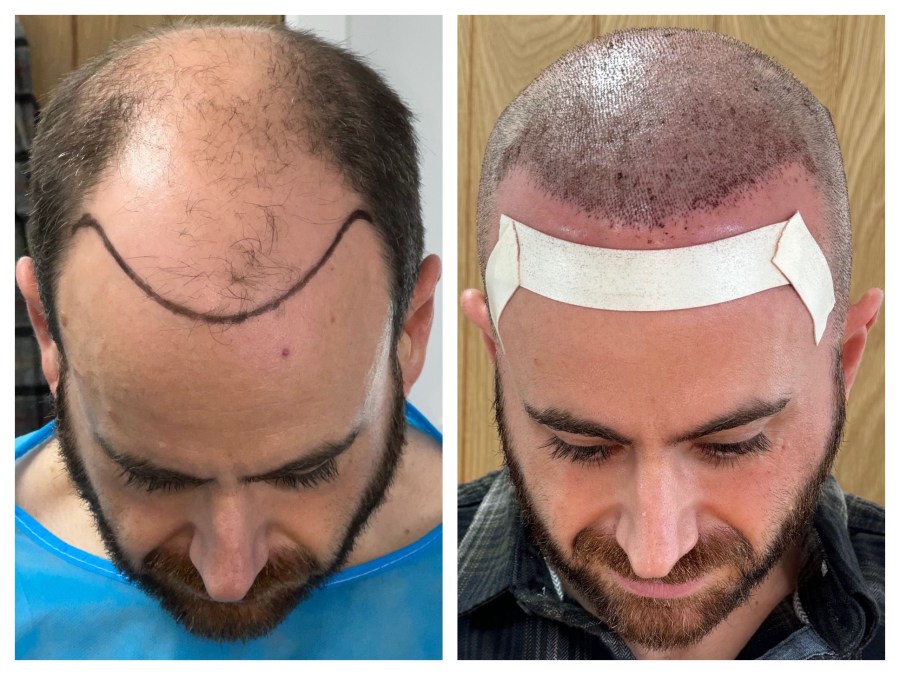
We got the lowdown on what it’s actually like to get a hair transplant from someone who’s been through the process
“I was never delighted to be bald,” says father of two, Mike Denman, who in 2021 underwent a complete weight loss transformation of his then 23 stone physique.
“It wasn’t something that I was thinking ‘I really need to fix this,” he says of his hair prior to his transformation. “But once I’d sorted the physical side out and I felt better, there was that one thing left that I couldn’t do anything about myself.”
So, what’s it actually like to have it done? We got the lowdown from Mike.
How does the hair transplant process work?
“I’ll give you all the gory details!” laughs Mike.
“There’s two ways of doing a hair transplant,” he explains. “One is FUT (Follicular Unit Transplantation), which is where they take a strip of your scalp and sew it back up,” says Mike. “They take that strip, divide it into individual follicles, make small slits in your head and put those follicles in.”
“The other process is called FUE (Follicular Unit Extraction/Excision) which is where they individually take follicles with a punch and then insert those in,” he says, explaining that this process can affect the density of the hair.
“There’s pros and cons to both, but I had a combination of those two, so it was a two day procedure,” recalls Mike, who had a team of three technicians working on him. “It was 7,848 grafts [in total]! He made an individual slit in where the hair’s going for each one of those – almost 8000 individual incisions. They put them in one by one with tweezers,” he recalls.
Does it hurt?
“I got some diazepam, so I was a little bit spaced out for the first part – but the rest of the time I just sat in a chair watching Netflix,” says Mike. “You get local anesthetic, so the only bit that was slightly painful was the first two local anesthetic injections,” he says of the actual surgery process.
In the aftermath, Mike says the pain was minimal. “The strip where it had been sewn back up had a bruised kind of feeling, but not massively painful, and then the top where the new hair had gone in just felt a bit like sunburn. The skin feels tight, but that only really lasts a week,” says Mike.
How is the recovery process?
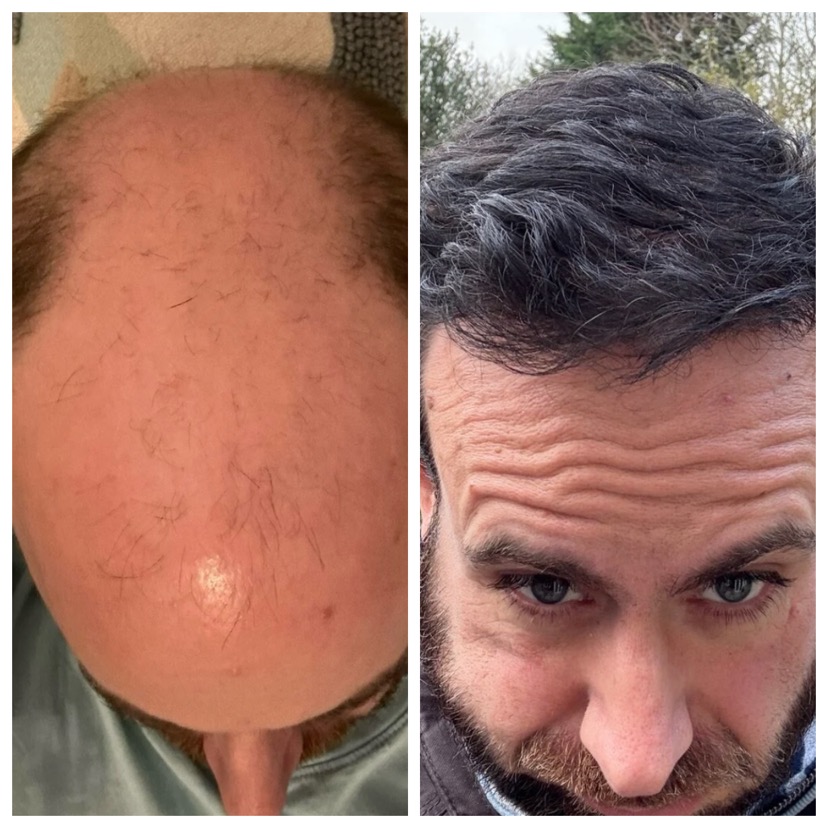
What many people who go for the treatment don’t know is that around two or three weeks after the treatment the new hair falls out before coming back – but this is completely normal, says Mike. “It’s basically in shock,” he explains. “You have to wait another two to three months after that for anything to start growing back.”
“You hear of people going to Turkey that weren’t told that would happen – but I had a good surgeon. He was very clear on the timelines, and I had his WhatsApp, so any concerns, I could send him a photo. It’d be much better if it didn’t happen – but you’re expecting it.”
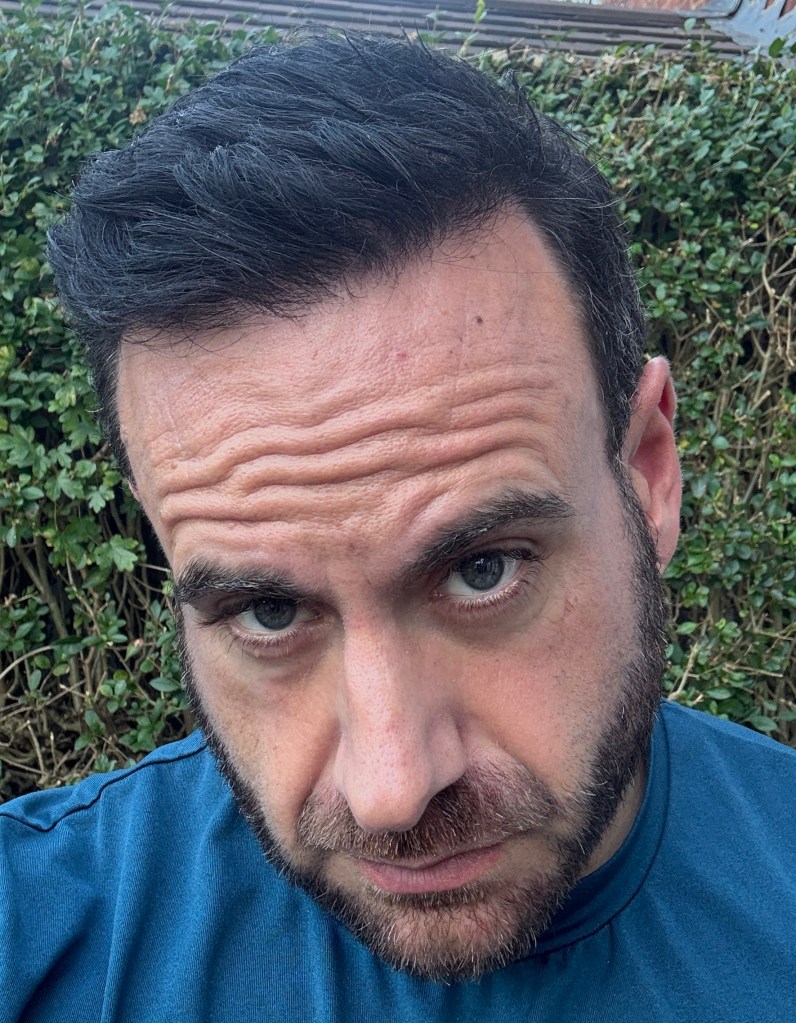
Mike’s regrowth started after around three months, and within six months he says his hair was “looking really good”. “The ones on the crown take a little bit longer to come through, but after a few weeks you can wear a cap anyway.”
What would you say to anyone considering getting it done?
“If it’s something that bothers you and you’re going to get a positive mental effect from having the transplant, then definitely do it – but definitely do your research,” says Mike. “People talk about getting bad results in Turkey, but there’s definitely bad places you can go in the UK to get an equally poor result.”
Mike says he used a website called Hair Restoration Network which has reviews and forums to find the right person for his procedure. “Doing your research on reputable forums and speaking to previous patients of the doctor that you’re going to go with [is helpful]. Any good doctor will be very open to you doing that,” advises Mike.
“Don’t make any kind of snap decision and don’t look for the cheapest option because it’s not likely to get you the result that you want – and that’s where the horror stories come from of people getting really poor results.”
You can find Mike’s Instagram here: @mikedenmanfitness