


From white tea and oolong to ginger and magnolia, here’s how I use different teas throughout the day to support wellbeing, one cup at a time
Now obviously, teas are not a miracle. They are going to give you small quantities of a lot of good things, but they will not do anything miraculous. Small things add up though, and the power of good intention should not be underestimated.
The ritual of choosing the tea you need, brewing it in your favourite mug, and drinking it is genuinely a helpful act of self care. Plus, many of them taste great, and they’re fairly inexpensive if you’re comparing them to juices or sodas.
While they are small amounts of mighty, there’s still some sensible ideas for when to take them. A sleep-promoting tea in the morning is never ideal, for example. I’ve listed the times of day to enjoy these teas, in order, as well as what they do for you. Sip on that.
The best teas to drink in the morning
White tea
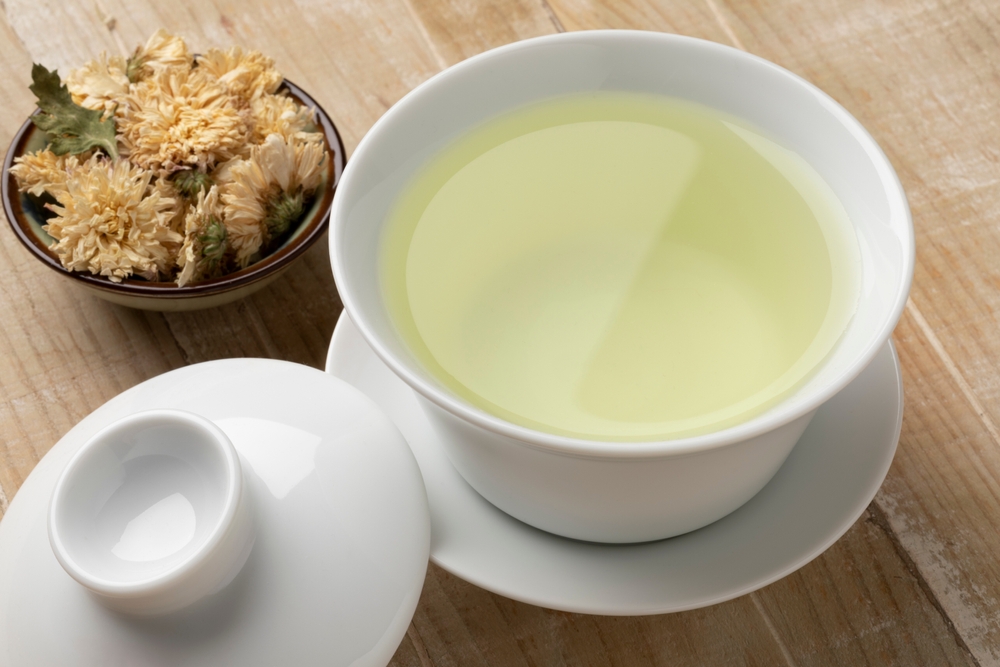
White tea is best, if loosely, described as green tea’s even more wellness-promoting sibling. It’s typically 20-25% lower in caffeine, and slightly higher in anti-oxidants such as polyphenols and catechins. It also has a more delicate taste, making it an optimal choice for easing the body into the day.
Green tea
If you want a little more punch from the tea, essentially, go darker. Green tea, has slightly elevated caffeine levels and a little less anti-oxidants, but by all accounts, is very much a tea packed with bioactives such as EGCG (epigallocatechin gallate) and L-theanine. World-known as being one of the healthiest beverages on the planet, it can be enjoyed from morning to midday, but does work exceptionally well in place of that morning cup of coffee.
Oolong
You sense a pattern here. Before we get into the herbal options, as well as an additional caffeine boost, oolong has a solid concentration of polyphenols making it an ideal metabolism-boosting option. It’s also been linked with blood sugar regulation, which is useful to prevent spikes while “breaking fast”. When it comes to the caffeine, it’s roughly half the amount you’d find in black tea, so still a very calmly energising start to the day. And of course, caffeine is best consumed earlier in the day so that it has time to leave the system before sleep.
Nettle
Similar to ginger, nettle tea is widely used for alleviation (for everything from being a natural antihistamine, to arthritis) but also happens to have a variety of A, C, K, and B vitamins, alongside essential minerals like iron, calcium, and magnesium. The benefit of drinking nettle tea in the morning is that it is also a natural diuretic, which can help increase urine output to flush toxins and uric acid.
But there are caveats when it comes to nettle, as it can interfere with various medication – particularly diuretics and blood pressure related medications, so it is best to consult with a GP if you think there could be issue there. Potent stuff, hey.
The best teas to drink in the afternoon
Hibiscus
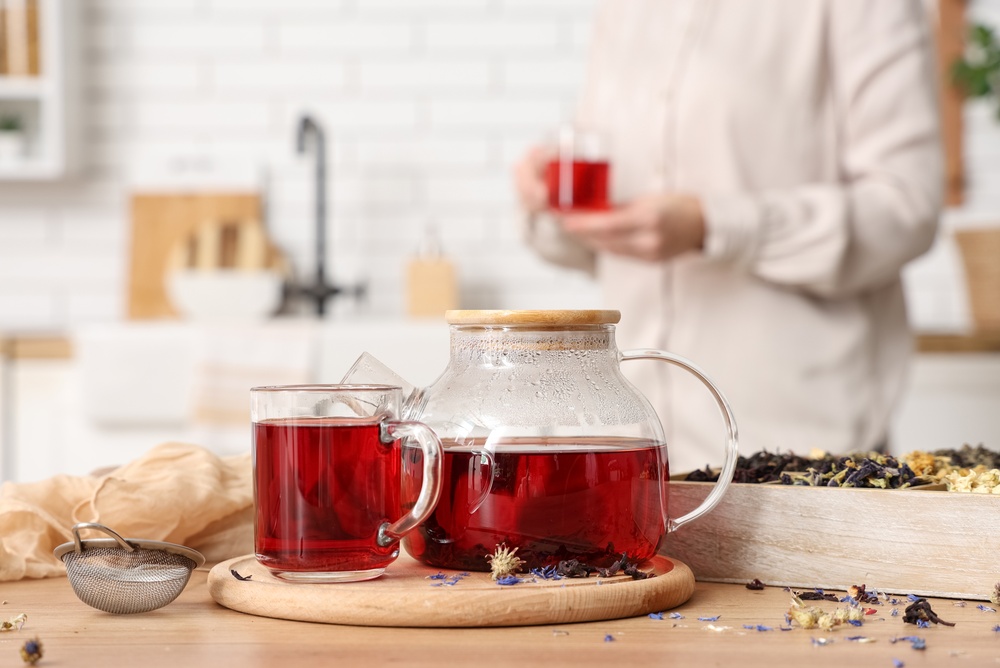
The South African plant is loaded with vitamin c and beta-carotene, and functions as a super refreshing way to stay hydrated through the afternoon. Its natural sweetness makes it ideal for replacing that post lunch soft drink, while retaining much of the”pick up” you’ll need. The tea is also said to be good for supporting blood pressure and cardiovascular health.
Ginger
Ginger is a known powerhouse, used throughout the day for everything from post-meal digestive comfort to boosting metabolisms first-thing, and aiding recovery. While an all-day sipper, having ginger after a lunch-time meal is ideal for helping to reduce discomfort while you’re at work, setting the body up well and helping you to dedicate energy to the evening ahead. The anti-inflammatory properties are also a win if you’re using the lunch hour to get a workout going and want a nice warming post-workout drink.
Best teas for sleep promotion
Magnolia
While lavender and chamomile are well-known and promote feelings of relaxation to aid the wind-down to sleep, magnolia may not be one you have considered. While further research is needed, those in the know are excited about magnolia for both sleep and mood relief. A study in post-maternal woman found that drinking magnolia tea for three weeks significantly improved depression and sleep quality, compared with a control group who didn’t. Regardless, magnolia tea, has long been used as a sleep aid in traditional medicine.