

If you’re fasting during Ramadan, you’ll need a different mindset to maintain your fitness
With Ramadan now underway, now more than ever is the time to prioritise supporting your mind and body. If you train regularly, it’s important to adapt your routine to suit fasting during Ramadan – focusing on maintaining your fitness, rather than increasing it.
To help you with this, we asked Gok Yesodharan – Head of Personal Training at Virgin Active – how best to support your health and wellbeing while avoiding any overexertion during this period. Here are his top 10 tips.
Gok’s top tips to stay fit and well during Ramadan:
1 Focus on preservation over progression:
“The goal shifts from “gain” to “maintenance.” The most suitable activities are low to moderate intensity resistance training and LISS (Low-Intensity Steady State) cardio, such as brisk walking. Think restorative walks and mobility, to stay active without red-lining your central nervous system.”
2 Think about timing
“Timing is everything. Consider a session 90 minutes before Iftar. It allows you to train and then immediately break your fast with nutrients. You could also go for it after Iftar (post-meal). This would offer the most energy but wait 1 to 2 hours for digestion. You may also give it a shot before Suhoor. It’s best for those who are early birds, as you can hydrate immediately after.”
3 Swap high intensity for low intensity
“You may want to avoid HIIT (High-Intensity Interval Training) and heavy plyometrics. These are too taxing on the central nervous system and cause excessive fluid loss through sweat.”
4 Plan ahead for Iftar and Suhoor
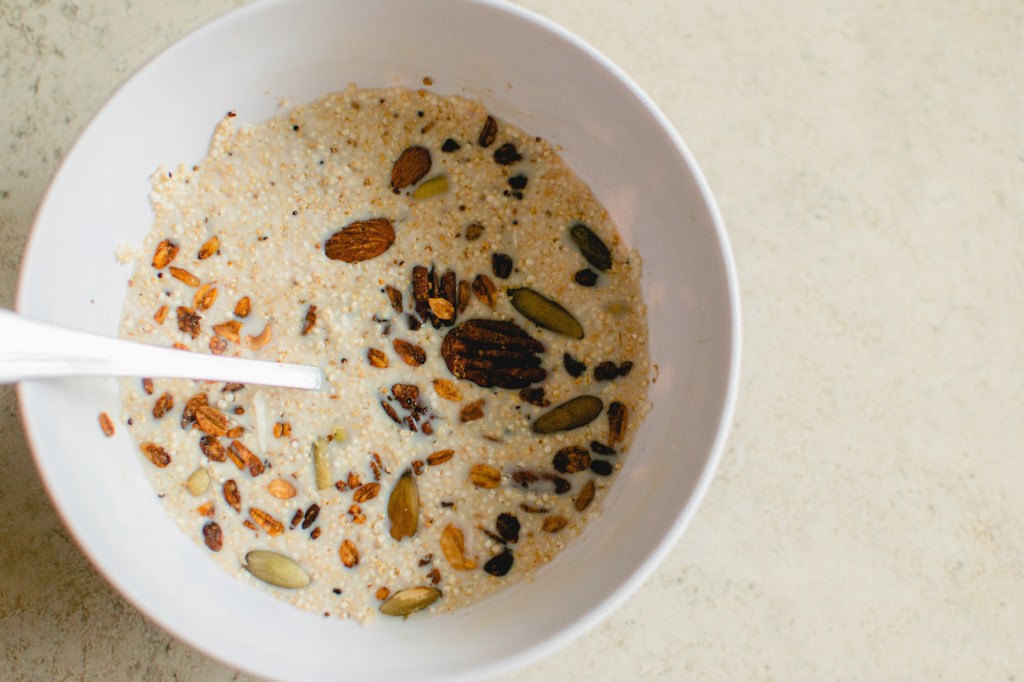
“The window between Iftar and Suhoor is your recovery zone. For Iftar, break the fast with a fast-acting carb (like dates) and plenty of water, followed by a high-quality protein and complex carb (like grilled chicken and sweet potato). For Suhoor, focus on slow-release energy and healthy fats. Porridge with nuts, seeds, and Greek yogurt is excellent for sustained fuel throughout the day.”
5 Pace your protein
“To prevent muscle catabolism (breakdown), prioritize protein pacing. Aim for a high-protein hit at both Iftar and Suhoor. While you may not be able to “bulk” during this time, consistent, low-volume resistance training will provide the necessary stimulus to “remind” your body to keep its muscle tissue.”
6 Avoid saunas
“I strongly advise against using the sauna while fasting. The risk of severe dehydration and fainting is too high. If you want to use contrast therapy, save it for the non-fasting hours when you can actively rehydrate.”
7 Hydrate effectively
“Don’t just “chug” water at Suhoor; your body can only absorb so much at once. Add a pinch of sea salt or an electrolyte tablet to your water. This helps with cellular hydration and prevents the “flush” effect. You may also want to avoid caffeine where possible, as it is a diuretic and will dehydrate you faster during the day.”
8 Look after your mind
“Mentally, it’s a game of managing your internal battery, so prioritize quality sleep and give yourself the grace to dial back the intensity in the gym. If you focus on breaking your fast with nutrient-dense, slow-burning fuels rather than a glucose-spiking “crash” meal, you’ll find that your mood stays stable and your body feels resilient, rather than just running on empty.”

9 Sleep smart
“Ramadan often involves broken sleep patterns. To support wellbeing, aim for solyphasic sleep (shorter bouts of rest). A 20–30 minute power nap in the afternoon can significantly improve cognitive function and physical readiness for an evening session.”
10 Listen to your body
“Listen to your body’s emergency signals. Stop exercising immediately if you experience extreme dizziness or feeling light headed, a racing heart that won’t slow down during rest, cramping (a sign of severe electrolyte depletion) or nausea and cold sweats.”