

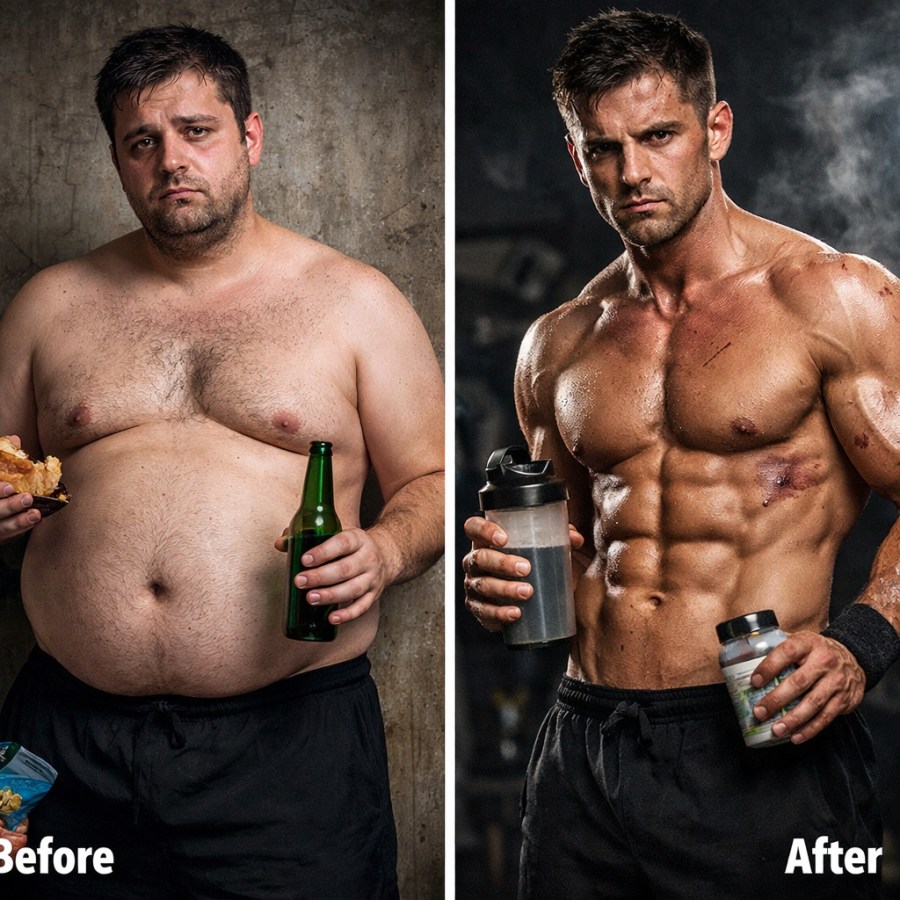
From ’30-day glow-ups’ to extreme before-and-afters, social media is obsessed with extreme transformations – but behind the viral clips lies a more complicated reality
Scroll through TikTok or Instagram for more than a few minutes and you’ll almost certainly come across it: the dramatic before-and-after. A pale, slightly slouched “before” clip cuts sharply to a chiselled, tanned, hyper-confident “after.” The captions are equally punchy – ’30 days to become unrecognisable,’ ‘no excuses,’ ‘lock in’.
It’s compelling, addictive – and increasingly controversial.
The “extreme transformation” trend has exploded over the past year, driven by short-form video and a culture that rewards rapid, visible change. For many, it’s motivational. But for others, it raises uncomfortable questions about sustainability, mental health, and what fitness is actually supposed to achieve.
The appeal of fast results
There’s a reason this content performs so well. It taps into something primal: the desire for reinvention. The idea that in a matter of weeks you could radically change your body – and by extension, your life – is powerful.
Social media accelerates this. Quick cuts, dramatic lighting, and carefully timed “after” shots create the illusion that transformation is not only achievable, but fast. Add a trending audio clip and a confident voiceover, and you’ve got a viral formula.
For men in particular, these videos often frame fitness as a form of personal redemption. The message is clear: discipline equals success, and your physique is proof of it.
But that message is also where the problem begins.
The reality behind the edits
What these clips rarely show is what happens between the before and after – or what happens after the camera stops rolling.
In many cases, the timelines are misleading. A “30-day transformation” may actually be the result of months (or years) of prior training, with the final month simply used to cut body fat aggressively. Lighting, posing, dehydration, and even digital editing can exaggerate results further.
Then there’s the cost. Rapid transformations often rely on extreme calorie deficits, excessive training volumes, and unsustainable routines. While they might produce short-term visual changes, they’re rarely maintainable—and can come with downsides ranging from fatigue and hormonal disruption to injury and burnout.
When motivation turns toxic
There’s a fine line between inspiration and pressure, and extreme transformation content often crosses it.
The underlying narrative – “if you wanted it enough, you’d do it” – can be deeply unhelpful. It reduces fitness to willpower alone, ignoring factors like genetics, lifestyle, work demands, and mental health. It also frames slower, more sustainable progress as somehow inferior.
For some viewers, this can lead to cycles of all-or-nothing behaviour: crash dieting, overtraining, then falling off completely. Instead of building consistency, it reinforces the idea that anything less than a dramatic overhaul isn’t worth doing.
And that’s a problem, because consistency – not intensity – is what actually drives long-term results.
The rise of the backlash
Interestingly, social media itself is starting to push back.
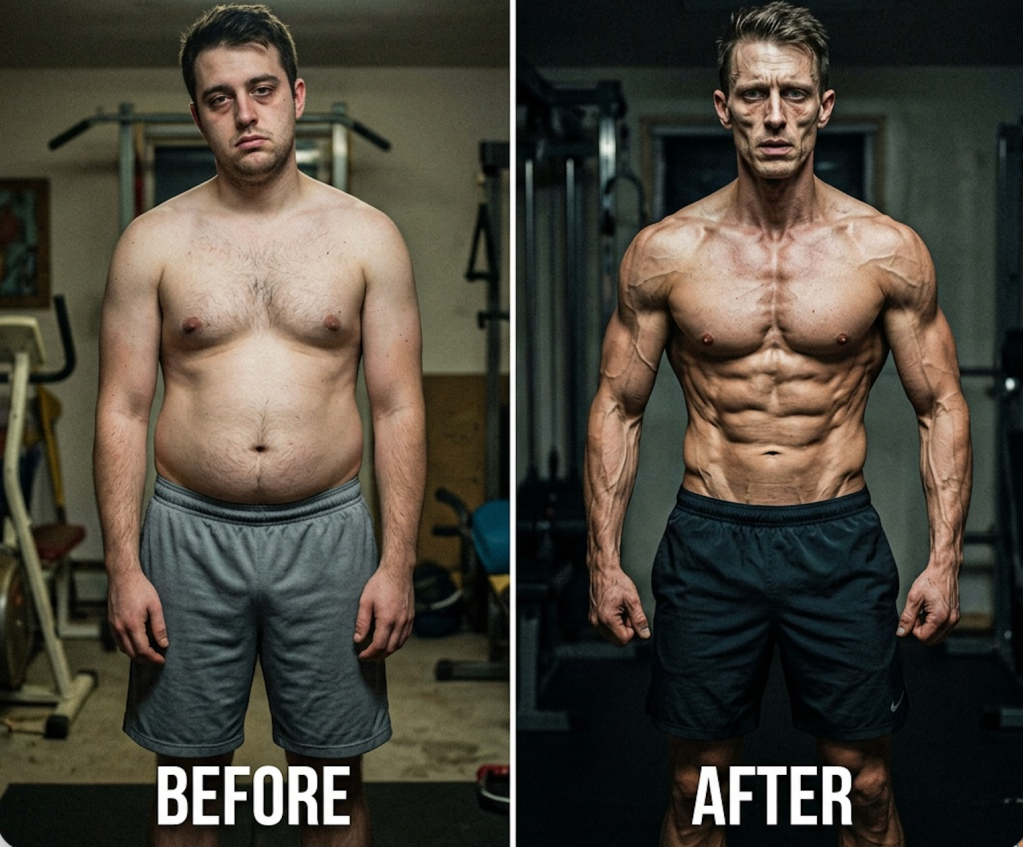
Alongside transformation videos, you’ll now find creators exposing the tricks behind them – showing how lighting, angles, and timing can completely change how a body looks. Others are documenting what happens after extreme cuts: weight regain, low energy, and the mental toll of trying to maintain an unsustainable physique.
This counter-trend is gaining traction because it feels more honest. It acknowledges that fitness isn’t a 30-day project, but an ongoing process.
What real transformation looks like
None of this is to say transformation is a bad goal. Changing your body—building muscle, losing fat, improving performance—is a legitimate and rewarding pursuit.
But real transformation tends to look very different from what social media suggests.
It’s slower. Less dramatic. Often invisible from week to week. At Men’s Fitness, we have seen some epic transformations but they all share a common trait – life-long wellness. These are not fly-by-night, get quick fit individuals – they are making changes that will be with them forever.
It involves building habits: training consistently, eating well most of the time, sleeping enough, managing stress. It allows for setbacks and plateaus. And crucially, it’s sustainable.
A genuinely successful transformation isn’t just about how you look at the end of a short challenge. It’s about what you can maintain six months or a year later.
A smarter way to engage with the trend
So where does that leave the average guy scrolling through his feed?
The key is perspective. Use transformation content as a spark, not a blueprint. Let it motivate you to start—but don’t expect to replicate it exactly, and don’t measure your progress against someone else’s highlight reel.
Ask better questions:
- Is this approach realistic for my lifestyle?
- Could I maintain this routine long-term?
- Does this improve my overall health, or just how I look temporarily?
If the answer is no, it’s probably not the right path.
What lies ahead
Extreme transformation content isn’t going anywhere. It’s too visually powerful, too emotionally compelling, and too well-suited to the algorithms that drive modern social media.
But as the backlash grows, so does the opportunity to redefine what fitness content looks like—and what it values.
Because the most impressive transformation isn’t the fastest one. It’s the one that lasts.
• The images in this piece are AI generated for illustrative purposes – we didn’t want to name and shame anyone!