

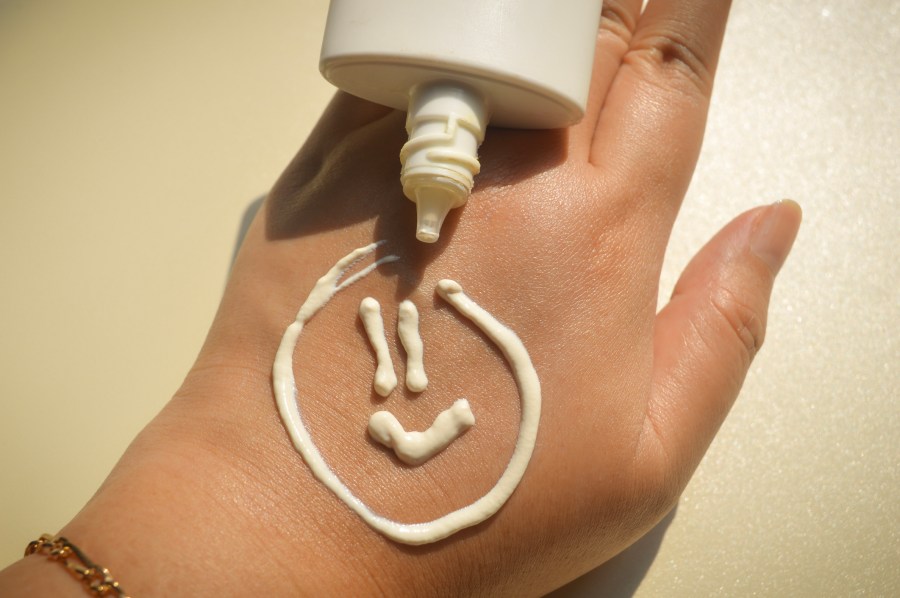
The viral supplements claim to protect your skin from UV damage. The reality is more complicated.
Applying suncream remains one of the least glamorous parts of summer. It’s sticky, easy to forget and has a habit of ending up everywhere except where you need it.
So it’s perhaps no surprise that the wellness industry has come up with an answer: sun protection supplements.
Interest in so-called ‘edible suncream’ has since surged, with searches for “sun protection supplement” increasing by 212% over the past quarter.
And it’s no wonder really! Anyone who’s spent a day on the beach applying suncream while exfoliating with sand, only to end up with odd shaped missed patches can relate to wanting an alternative.
Unfortunately though, experts argue that the new pills are just not quite up to scratch just yet. While some supplements contain ingredients that may help support the skin’s natural defences, experts warn that they shouldn’t be viewed as a replacement for traditional sun protection.
Here’s what you need to know before trading in your SPF.
What is edible suncream anyway?
The term ‘edible suncream’ usually refers to supplements usually containing vitamins, plant compounds and antioxidants thought to support skin health. Sounds great, right? But while they have some favourable effects, they don’t work in the traditional way that suncream does.
So, can supplements protect you from the sun?
According to nutritionist Jamie Christie from Just Vitamins, they can help, but they can’t do the proper job.
“We’ve seen a rise in interest in ‘edible suncream’, which is marketed as a way to protect the skin from UV damage,” says Christie. “However, these products should never be viewed as a replacement for traditional suncream.”
The nutritionist says that’s because no matter how much we want it, evidence shows that they’re just not as effective as traditional suncream. “While some research suggests an oral pill can offer a small degree of protection against UV damage, the level of protection is still nowhere near what a topical SPF product can provide,” Christie explains.
“Suncream remains the most effective way to reduce the risk of sunburn and long-term sun damage.”
That might not be the answer you were hoping for if you hate suncream, but it’s certainly important for the safety of your skin.
Is there any point to taking them?
If the supplements don’t work in the way that suncream does, is there any point in taking them at all? Christie says there could be a benefit to using them alongside suncream, especially if you have fair skin or spend a lot of time outdoors during the summer months.
“We’ve found that if a person has very fair skin, is highly sensitive to the sun, or spends long hours outside, then taking oral sun protection capsules alongside wearing suncream could add extra protection from the sun.”
“There are some ingredients found in supplements that could support the skin’s natural defences when used alongside, not instead of, suncream,” the nutritionist says.
One of those supportive ingredients is nicotinamide, a form of vitamin B3. “Nicotinamide has been studied, and experts have found that it can help repair DNA in cells and even reduce the risk of non-melanoma skin cancer in high-risk individuals.”
Christie also points to the potential benefits of the antioxidants some contain, suggesting that ingredients like Vitamin C and E can support your overall skin health.
However, supporting skin health and preventing sunburn are two very different things…
Edible suncream – fake or fact?
The idea of replacing suncream with a daily capsule might sound appealing, but current evidence suggests edible suncream doesn’t live up to its name.
As Christie puts it, supplements should “always be used alongside taking other sun-safety actions like regularly applying SPF, seeking shade during high levels of UV, and wearing protective clothing.”
Plus, when it comes to anti-aging, suncream is absolutely vital for protecting your skin, particularly on your face.
Christie also insists that if you are considering taking sun protection supplements, make sure to always seek advice from a medical professional first; many are unregulated and may not interact well with medication you might already take.
“If you suffer from any skin conditions, then it is always best to consult your doctor first before taking a capsule.”