

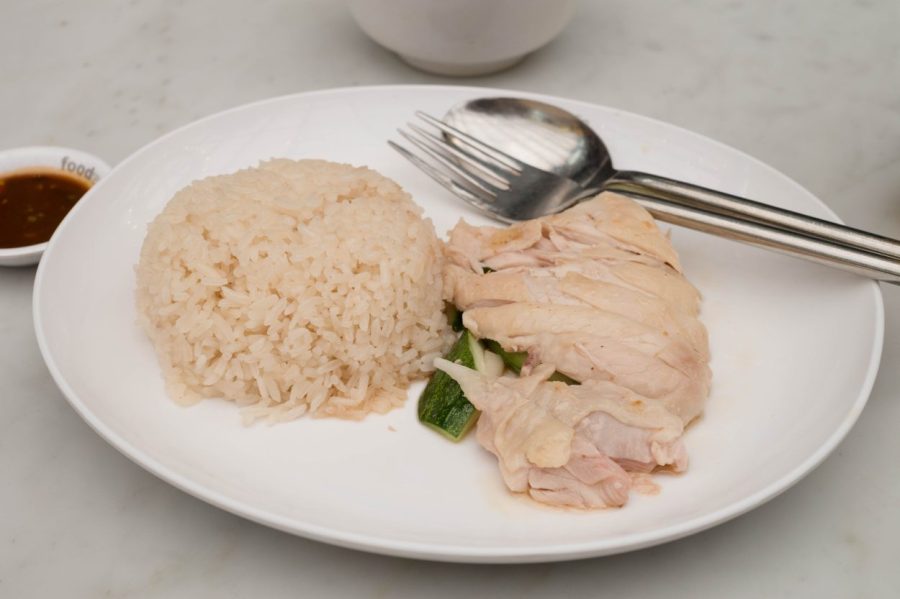
Wellness trends can be a really effective way to spread useful information far and wide – but that relies on them being started by an expert. The problem comes when a trend is based on mass miseducation. Take the latest ‘boy kibble’ social media trend, for example. It’s used to describe ultra-simple, repetitive meals – typically something like plain chicken and rice – eaten more for convenience and hitting protein targets than for balance or enjoyment.
Its deliberately basic, slightly ironic branding also makes it highly shareable. However, while these meals may tick the box for protein and calories, they often fall short nutritionally.
With everyone having such varying needs in health, nutrition, and lifestyle, there isn’t (and shouldn’t really be) a way to make a one-size fits all approach.
“I can’t tell you for the life of me why some of this stuff goes so viral,” laughs Sophie Bertrand, Resident Nutritionist at Abbott’s Lingo, mum of two and co-host and author of Forking Wellness book and podcast.
“I just think something that goes against the grain and isn’t what we’re used to seeing just gains traction really fast,” she says. Take one of the latest fitness trends: the comically named ‘boy kibble’ – likely inspired by the equivalent term ‘girl dinner’. The trend, which suggests a very basic way to hit your protein goals within a meal (usually just white rice and meat), leaves a lot to the imagination when it comes to nutritional value.
“People love a quick fix, so when they see something simple that’s being marketed like a health halo, everyone jumps on board because as boring as it is, consistency over time and small habits make big changes – and no one wants to do it!”
Why should we be cautious of online health trends?
“So much of the health advice we see online via social media is not backed up by evidence. It literally comes from a trend,” says Sophie. “If there was one food or one behavior that really did kind of optimise your health in the best way, we’d all just be living the best life, right?”
Of course, it can be really positive when the internet is used to widely share good health habits, but it’s important to be cautious who you take advice from – and remember that everyone is different. “What worked for your best friend isn’t necessarily going to work for you because genetically we’re all so different,” she says. “We’ve got our lifestyle differences too: some of us have kids, some of us are working night shifts, some of us work out every day, some of us sit at a desk for 9 hours a day. We’re all so unique and individual.”
“It’s not just about the nutrition that goes into your diet,” adds Sophie. “It’s what your sleep pattern is like, what your stress management is like, are you socialising? Are you getting fresh air every day? Are you seeing enough daylight? Are you breastfeeding through the night because you’ve got a newborn? There’s so many different things that impact our response ‘wellness’.”
Too much of a ‘good’ thing?
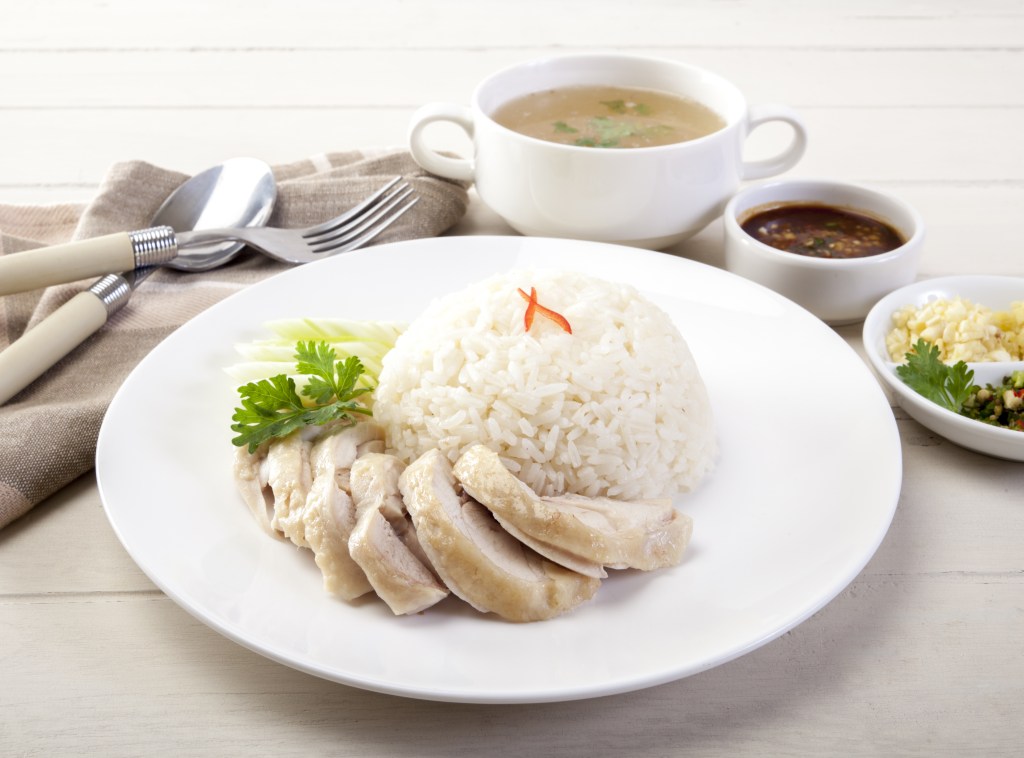
If we were to use the example of the boy kibble trend, the dish apparently lacks fibre and healthy fats, which help to reduce the speed at which glucose gets into our bloodstream, explains Sophie. “You’re really verging on that risk of spiking your glucose levels quickly and increasing your risk of cravings later on in the day.
“I always like to look at what we can add into our diet to help benefit our health, as opposed to what we can restrict,” says Sophie. “Often when we restrict things, we are at risk of nutrient deficiencies.”
In addition to this, Sophie suggests people should consider the frequency at which they’re engaging with these trends. “People might see this trend and take in everything they see, and think ‘I’m gonna have this for every meal’.”
Sophie instead recommends mixing up elements of the dish for more variety. In the ‘boy kibble’ trend, you could interchange chicken with tofu, salmon or chickpeas, or swap to whole grains for example to diversify the dish.
“The more diversity in our diet, the better supported our gut microbiome is, and that’s such a foundation of overall wellbeing,” says Sophie. “It really is linked to things like mood and digestive health – so making sure that we’re not lacking diversity is really important if you are gonna stick to dishes like this.”