

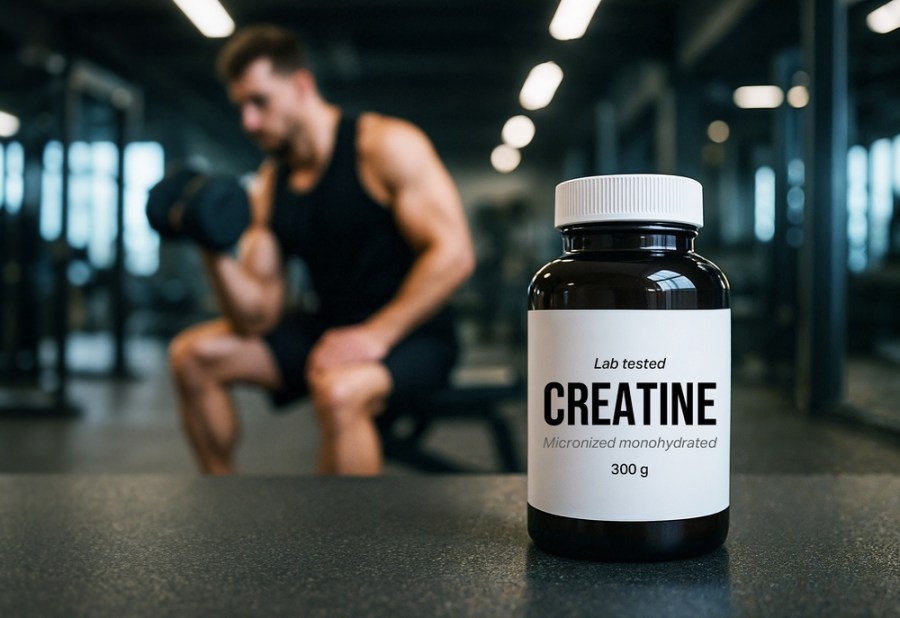
Creatine has been studied more than almost any other sports supplement, yet myths about bloating and kidney damage refuse to disappear. Here’s what the research shows really happens to your muscles, strength, body weight and even your brain when you take creatine consistently
PICS: Shutterstock
Creatine holds an odd double title: the most studied supplement in sports nutrition and, at the same time, one of the most misunderstood.
It’s backed by decades of trials, thousands of participants and a research record most supplement companies would envy, yet it’s still dogged by the same gym floor rumours about ruined kidneys and bloated muscles that were doing the rounds in the nineties.
Here’s what the evidence actually says happens inside your body once you start taking it.
Your muscles get a bigger energy reserve
Creatine works by topping up phosphocreatine, the quick-release fuel your muscles tap for short, hard efforts like a heavy deadlift or the last few metres of a sprint.
More phosphocreatine on board means you can grind out another rep or hold pace a little longer before your legs give out.
This isn’t theoretical: a review combining 22 randomised trials in older adults found that creatine paired with resistance training produced significantly greater strength gains than training alone, on top of an extra 1.37kg of lean tissue mass.
You get measurably stronger
It’s one thing for a supplement to move the needle in a small study, another for that result to survive being pooled across dozens of trials with different populations and training styles.
A 2025 meta-analysis examining upper and lower-body output found creatine significantly improved bench and chest press strength when combined with resistance training, with similar gains showing up for power.
The effect was consistent enough that the researchers flagged it as one of the more reliable findings in the strength literature.
The scales move
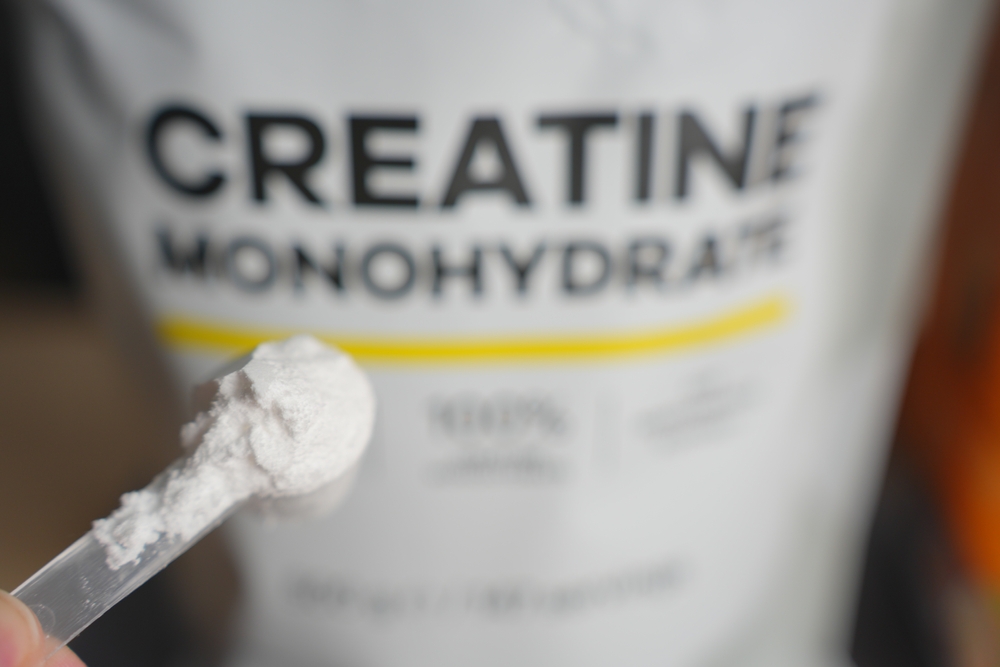
This is the part that puts people off, though for no good reason. Creatine draws water into the muscle cell itself rather than causing the kind of bloating people picture.
Researchers using direct imaging methods to track this have warned that early weight gain on creatine is partly down to this water shift, not pure muscle tissue, which is worth bearing in mind if you’re judging progress by bodyweight alone rather than how the bar feels in your hand.
Gains follow soon after
Once that initial water shift settles, the actual hypertrophy is well documented too. A systematic review using MRI, CT and ultrasound rather than relying on bathroom scales or basic body composition scans concluded that creatine supplementation meaningfully increases regional muscle size when paired with structured resistance training.
That’s a sturdier form of evidence than older studies that only tracked total bodyweight and it backs up something lifters have claimed for years.
Your brain gets a boost
The same energy system creatine boosts in muscle exists in brain tissue, which has pushed researchers toward testing it for cognitive effects.
A meta-analysis pooling sixteen trials and nearly 500 adults found creatine supplementation produced a small but significant improvement in memory.
The catch is that the benefit isn’t constant. A large randomised crossover trial found the effect on working memory only bordered on significance in otherwise healthy, well-rested people, with no change at all on reasoning tasks.
Creatine seems to earn its keep when the brain is short on sleep or under sustained mental load, as the energy buffer it provides appears to matter far more.