

The men who stay lean, strong and healthy into their 60s, 70s and beyond rarely rely on one magic supplement or miracle workout. Instead, they consistently do the small things well. Here’s the ultimate Men’s Fitness health checklist – and the science behind why every habit matters.
Every few months a new longevity hack takes over social media. Cold plunges. Red light therapy. Peptides. Biological age tests. Super supplements.
But if you ask the scientists who study healthy ageing for a living, the answer is almost disappointingly simple: the biggest gains still come from the habits you’ve probably known about for years.
In one landmark study following more than 110,000 adults for over three decades, researchers from Harvard found that people who consistently practised a handful of healthy lifestyle behaviours enjoyed significantly more years free from cancer, heart disease and type 2 diabetes than those who didn’t.
Another UK Biobank analysis involving more than 350,000 people found that favourable lifestyle habits could offset much of the increased risk associated with poor genetics. In other words, your daily choices matter far more than your DNA might suggest.
So rather than asking whether you should buy another supplement, ask yourself a better question:
How many of these 25 healthy habits can you honestly tick off?
Score yourself as you go.
20–25: Excellent. Keep doing what you’re doing.
15–19: Solid foundations, but there’s room to improve.
10–14: Your healthspan could benefit from a reset.
Below 10: Pick just three habits and start there. Small changes compound surprisingly quickly.
MOVE
☐ I strength train at least twice a week.
Resistance training remains one of the most effective ways to preserve muscle, bone density and metabolic health as you age.
☐ I accumulate at least 150 minutes of moderate exercise every week.
☐ I walk most days—even when I’m not training.
☐ I spend less than eight hours sitting each day.
☐ I can comfortably carry heavy shopping upstairs.
If everyday tasks feel easy, your functional fitness is probably in good shape.
MUSCLE
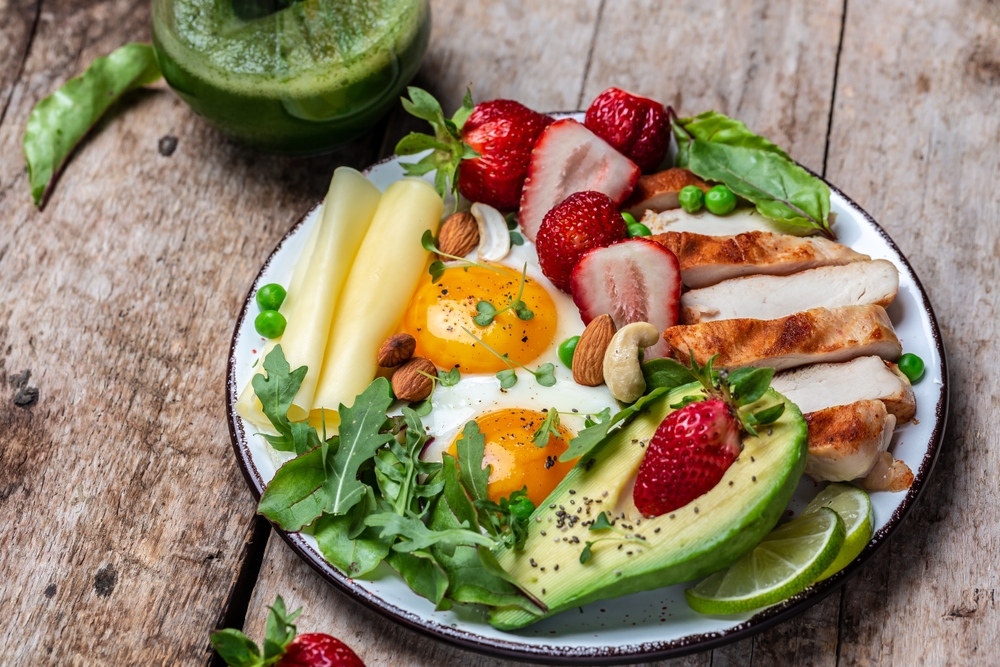
☐ I eat protein with every main meal.
Aim for roughly 25–40g per meal to maximise muscle protein synthesis, particularly after 50.
☐ I eat enough to recover after hard training.
☐ I include oily fish or omega-3-rich foods every week.
☐ I eat vegetables at most meals.
☐ I rarely rely on ultra-processed foods.
No one has a perfect diet – but if packaged foods dominate your plate, it’s worth making gradual swaps.
SLEEP
☐ I usually get seven to eight hours of sleep.
Sleep consistently predicts better healthspan, cognitive function and recovery.
☐ I wake feeling refreshed most mornings.
☐ I avoid scrolling in bed.
☐ I keep roughly the same bedtime during the week.

BODY
☐ My waist is less than half my height.
This simple measurement predicts cardiometabolic risk better than BMI in many studies.
☐ My blood pressure is in the healthy range.
☐ I know my cholesterol numbers.
☐ I know my blood glucose or HbA1c.
Think of these as your body’s dashboard. If you don’t know the numbers, you can’t steer.
MIND
☐ I do something mentally challenging every week.
Learning, reading, playing music or mastering a new skill all appear to support healthy brain ageing.
☐ I actively manage stress.
That doesn’t have to mean meditation. Walking, lifting weights, breathing exercises and time outdoors all count.
☐ I have close friends I regularly see or speak to.
Social connection consistently ranks among the strongest predictors of healthy ageing.

LIFESTYLE
☐ I don’t smoke.
If there were a “cheat code” for longevity, quitting smoking would be it.
☐ I drink alcohol only occasionally – or not at all.
☐ I spend time outdoors most days.
☐ I have regular health checks.
☐ I make time for hobbies that I genuinely enjoy.
Purpose, enjoyment and routine are increasingly recognised as contributors to long-term wellbeing—not just happiness.
The Men’s Fitness verdict
If your score isn’t where you’d like it to be, don’t panic.
The biggest mistake men make is trying to overhaul everything overnight. The evidence suggests that health isn’t built on perfection – it’s built on consistency. Adding a couple of weekly strength sessions, improving your sleep, eating more protein and vegetables, and simply walking more can have a far bigger impact than chasing the latest biohacking trend.
In fact, research suggests it’s the accumulation of healthy habits – not any single intervention – that delivers the biggest gains in lifespan and, more importantly, healthspan. You don’t need to tick all 25 boxes. But every new habit you adopt nudges the odds in your favour.