

Biohacking used to mean Silicon Valley millionaires freezing themselves in chambers. Now, longevity culture is going mainstream. From protein timing to Zone 2 cardio, these are the anti-ageing habits experts actually rate
There was a time when ‘anti-ageing’ meant buying an expensive moisturiser you saw on a TV advert and wondering if it was just Sudocrem in a fancy bottle.
Now it’s everything from tracking your sleep, monitoring your blood glucose, taking supplements with names that sound like tongue-twisters and listening to influencers explain why sitting in an ice bath before sunrise could help you live to 100. It’s a minefield!
And with the longevity industry booming, social media is awash with men trying to reverse their biological age, optimise their mitochondria and squeeze every last drop of performance from bodies that, inconveniently, insist on getting older. Funny that…
The problem? Most of us are looking for a magic solution when the answer is actually far less exciting – and requires consistency.
To find out the truth about the trend, we asked an expert Doctor what you need to know about longevity, and what actually works when it comes to staying younger for longer.
What is longevity anyway?
According to Dr David Weinstein, a GP and testosterone replacement therapy (TRT) specialist with 18 years of clinical experience, longevity isn’t really about billionaires becoming the world’s oldest man. It’s actually something that can be accessible for everyone – and it’s simply about remaining healthy enough to keep doing the things you enjoy for as long as possible.
“Longevity isn’t about the age we live until, but instead is about the number of healthy years we are able to enjoy,” he explains. “We all know people amongst our friends and family who have aged brilliantly and are doing all the things they want to do in their later years. We also all know people who have aged too quickly and are struggling with their health despite not being that old.”
In other words, the goal isn’t about adding years to your life – it’s reaching middle age and still being able to successfully do the things you want to do. “At 40 years old this might mean still playing 5-a-side football. At 80 years old this might mean still gardening,” says Weinstein.
“Disease can sometimes hit us regardless of our lifestyle, but longevity is about doing everything you can as an individual to stay healthy for as long as possible.”
And despite what the business biohackers might tell you, ageing better doesn’t necessarily require an overpriced supplement subscription or blood tests every week.
What does healthy aging actually look like?
Weinstein believes the most important measure of healthy aging remains surprisingly old-school. “From a medical perspective, how well we feel is still the best indicator of healthy aging than any medical tests,” he says.
That said, there are several objective measures doctors use to assess how well we’re ageing. “Blood tests are one part of this, especially looking at blood sugar and detailed cholesterol tests. Also VO2 max (fitness), waist circumference, blood pressure and grip strength are all important evidence-based data that can medically assess healthy (and less healthy) aging.”
The good news is that most of these markers respond extremely well to lifestyle changes. Here’s what the doctor recommends to realistically change the story.
Five longevity habits that actually work:
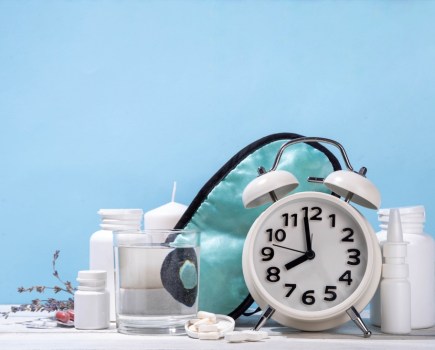
- Good sleep
“Getting 7–9 hours of sleep helps support hormone balance, recovery, brain function, and heart health. Poor sleep is linked to higher risks of obesity, diabetes and low energy.”
- Avoiding Ultra processed Foods
“Eating fewer ultra-processed foods can reduce inflammation and lower the risk of weight gain and chronic disease. Whole foods provide better nutrition and more stable energy.”
- Reducing Alcohol
“Cutting back on alcohol improves sleep, recovery, liver health, and blood pressure. It can also reduce long-term risks of cancer and heart disease.”
- Improving strength
“Strength training isn’t just for muscle clad gym bros! It should be for everyone! It helps maintain muscle, mobility, and metabolism as men age. Stronger muscles are linked to better health, balance, and longevity.”
- Reducing sugar
“Lowering added sugar intake helps control weight and blood sugar levels. It also reduces the risk of diabetes, heart disease, and inflammation.”
Can testosterone impact aging – and vice versa?
With specialist training in testosterone replacement therapy in the United States, Weinstein has seen first-hand how hormone health can influence how men feel as they get older.
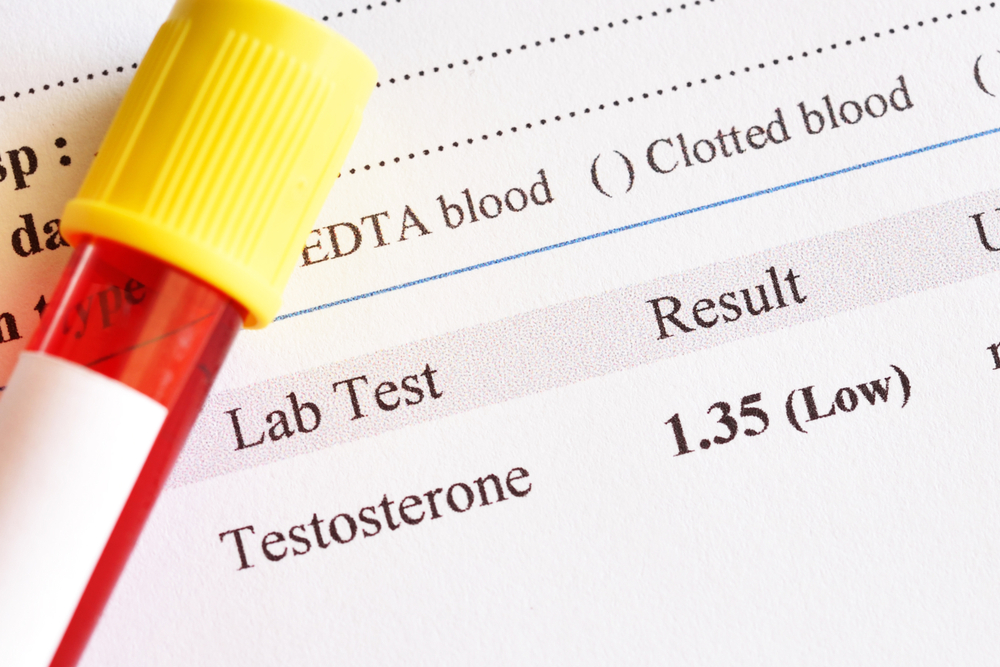
“In men our testosterone levels reduce 1-2% every year from the age of 30,” he says. “For about one quarter of men this can lead to low levels in middle age which can lead to symptoms of fatigue, low libido and brain fog. All contributing to a sense of being older than you actually are.”
While declining testosterone is often viewed as an unavoidable consequence of ageing, lifestyle still plays a major role in this change. “Cortisol is the enemy of healthy testosterone levels,” he explains. “If you are chronically stressed and sleep deprived, cortisol levels rise and your testosterone levels will fall. This is a big cause of low testosterone in men.”
Our diet and how much we exercise can have an impact too. “Another big contributor to low testosterone is excess weight. Fat cells can turn testosterone into oestrogen so staying trim helps keep testosterone levels healthy.”
And although it may not be as quickly fixed as you want it to be, looking after your hormones comes back to the same foundational habits that support longevity overall: sleep, exercise, stress management and maintaining a healthy weight.
So, do you really need to biohack?
Doctor Weinstein seems to suggest that yes it can be useful, but with one big caveat; don’t be sucked into spending a fortune to improve your health. “90% is the fundamentals that we all know but struggle to implement,” he says. “Good longevity comes from consistency with sleep, diet and exercise rather than any ‘miracle’ supplements or gadgets.”
Perhaps the most important thing we need to work on is our attitude to aging, suggests Weinstein. “The biggest thing we men need to change is our attitudes towards our own health,” he says. “We often continue to treat our bodies as if we are still in our 20s for several decades longer than we can afford to.”
“It is not a sign of weakness or lack of masculinity to accept that we all age and need to look after ourselves more as we do so,” he says. “Medical testing can often kick us up the backside we need to get motivated and it can also help us focus on which areas we need to work hardest on.”
He believes relativism is also key here. “It is also important to remember that life is for living so we need to relax and not be too tough on ourselves when we slip up.”