

Forget your weight. These are the health metrics that really matter. From grip strength and waist size to blood pressure and VO₂ max, here’s the Men’s Fitness guide to the numbers that could add years to your life – and the simple ways to improve every one of them
There was a time when the only number most men worried about was the one on the bathroom scales.
Today, thanks to fitness watches, smart rings and home health tests, we’re drowning in data. Heart rate. HRV. Body fat. Sleep scores. Biological age. Blood glucose. It’s easy to lose sight of what actually matters.
The good news? According to the latest research, you don’t need to track everything. A handful of key measurements can paint a remarkably accurate picture of your current health – and, in some cases, your future risk of heart disease, diabetes and even premature death.
Think of these as your body’s dashboard. If you know the numbers, you know where to focus your efforts.
Here are the 10 that deserve your attention.
1. Blood pressure
Target: Below 120/80 mmHg (or at least below 130/80 for most healthy adults)
High blood pressure rarely causes symptoms, which is why it’s often called the silent killer. Left unchecked, it dramatically increases the risk of heart attack, stroke and kidney disease.
The good news is that resistance training, regular cardio, losing excess body fat, reducing salt intake where appropriate and improving sleep can all help bring your numbers down.
Improve it by: Walking daily, lifting weights, eating more fruit and vegetables and limiting excess alcohol.
2. Waist-to-height ratio
Target: Less than 0.5
Forget BMI.
Increasingly, researchers believe waist-to-height ratio is a better indicator of long-term health because it reflects where you’re storing fat – not simply how much you weigh.
It’s simple.
Take your waist measurement in centimetres and divide it by your height.
If your waist is more than half your height, you’re carrying enough abdominal fat to increase your risk of heart disease and type 2 diabetes.
Improve it by: Resistance training, eating enough protein, increasing daily activity and reducing excess calories.
3. Resting heart rate
Target: Around 50–70 bpm for active men
A lower resting heart rate generally means your heart doesn’t have to work as hard to pump blood around the body.
Elite endurance athletes can sit below 50 beats per minute, but for most active men, somewhere between 50 and 70 is an excellent sign of cardiovascular fitness.
Don’t panic if yours is higher – stress, dehydration, illness and poor sleep can all push it upwards temporarily.
Improve it by: Walking more, doing Zone 2 cardio and sleeping better.
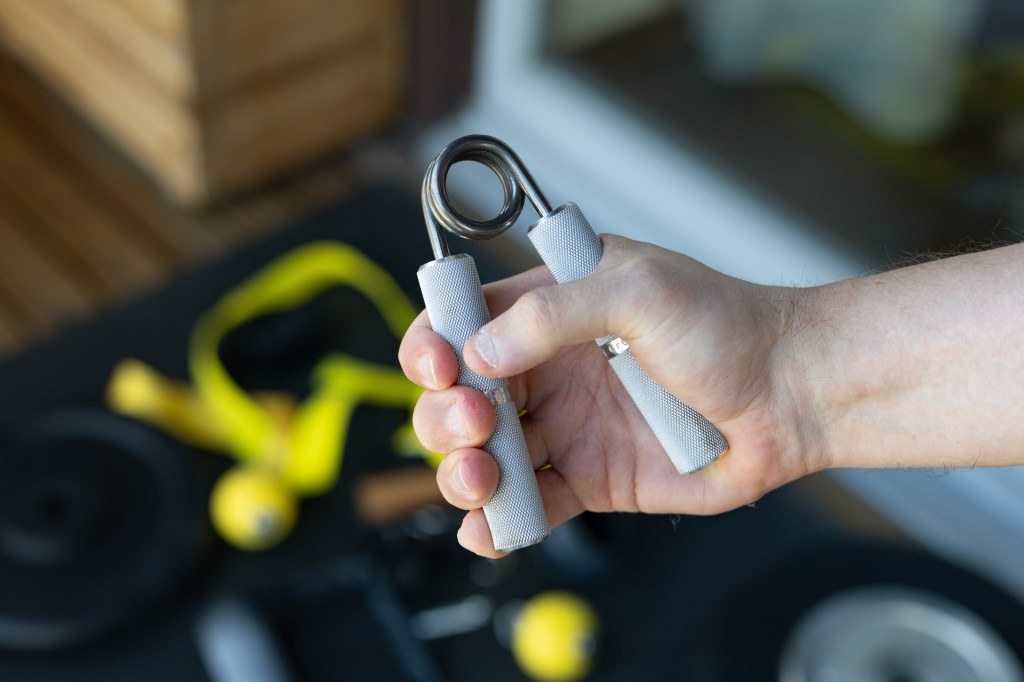
4. Grip strength
Target: Around 45kg+ for men over 50 (hand dynamometer)
This might sound oddly specific, but grip strength has become one of the strongest predictors of healthy ageing.
Large studies have found that weaker grip strength is associated with higher risks of disability, cardiovascular disease and earlier mortality.
It’s also a surprisingly good reflection of total-body strength.
No dynamometer? Hang from a pull-up bar. If you can comfortably dead-hang for 30 to 60 seconds, your grip is likely in good shape.
Improve it by: Carrying heavy shopping, farmer’s carries, deadlifts and pull-ups.
5. VO₂ max
Target: Above 35 ml/kg/min after 50 (higher is better)
If there’s one number longevity experts obsess over, it’s VO₂ max.
It measures your body’s ability to use oxygen during exercise and is one of the strongest indicators of cardiovascular fitness and all-cause mortality.
You don’t need laboratory testing.
Garmin, Apple Watch, Polar and other devices now provide surprisingly useful estimates.
Improve it by: Combining Zone 2 endurance work with one interval session each week.
6. HbA1c (long-term blood sugar)
Target: Below 42 mmol/mol (6.0%) if you don’t have diabetes
HbA1c measures your average blood glucose over the previous two to three months.
Even if you’re not diabetic, creeping blood sugar can increase your risk of cardiovascular disease and cognitive decline.
If you’re over 50, it’s worth asking your GP to include HbA1c in routine blood work.
Improve it by: Losing visceral fat, strength training, walking after meals and eating more fibre.
7. Non-HDL cholesterol (or ApoB if available)
Target: As low as reasonably achievable
For years we’ve focused on total cholesterol.
Increasingly, cardiologists are paying more attention to ApoB or non-HDL cholesterol because they better reflect the number of particles capable of contributing to plaque build-up in the arteries.
If you don’t know yours, it’s worth asking at your next health check.
Improve it by: Eating more soluble fibre, exercising regularly, reducing saturated fat if advised, and maintaining a healthy weight.
8. Protein intake
Target: Around 1.2–1.6g per kilogram of body weight each day
This isn’t something your smartwatch can measure, but it matters.
After 50, muscles become less responsive to protein—a phenomenon known as anabolic resistance.
That means maintaining muscle mass requires a little more protein than it did in your twenties.
Aim to spread your intake across the day rather than consuming it all at dinner.
Improve it by: Including protein at every meal and prioritising whole-food sources.
9. Sleep duration
Target: Seven to nine hours
Training hard means little if recovery is poor.
Consistently sleeping fewer than seven hours has been linked to poorer metabolic health, reduced testosterone, impaired recovery and increased cardiovascular risk.
Quality matters just as much as quantity.
If you wake exhausted every morning, don’t ignore it.
Improve it by: Keeping a consistent bedtime, limiting alcohol before bed and reducing evening screen exposure.
10. Weekly strength session
Target: At least two
This isn’t a laboratory value – but it may be the most important number on the list.
Every major health organisation recommends regular resistance training as we age because it helps preserve muscle, strengthen bones, improve insulin sensitivity and reduce falls.
Two sessions each week is the minimum. Three or four is even better. If you only measure one lifestyle habit, make it this one.
The Men’s Fitness verdict
The internet wants you to believe that longevity is complicated.
It isn’t. The men who stay fit, independent and energetic well into later life aren’t necessarily the ones taking dozens of supplements or spending thousands on the latest biohacking gadgets. They’re the ones who keep an eye on the numbers that genuinely matter – and make small, consistent improvements over time.
You don’t need to be perfect. But if you know your blood pressure, keep your waistline in check, maintain your muscle, protect your heart and stay active, you’ll already be ahead of most men your age.
Forget chasing every new health trend. Master these 10 numbers first, and you’ll have built a foundation that almost every longevity expert would recognise.