
Sir Ben Ainslie on his quest to go from Sailing Olympic Gold Medal to a London Marathon finisher’s one
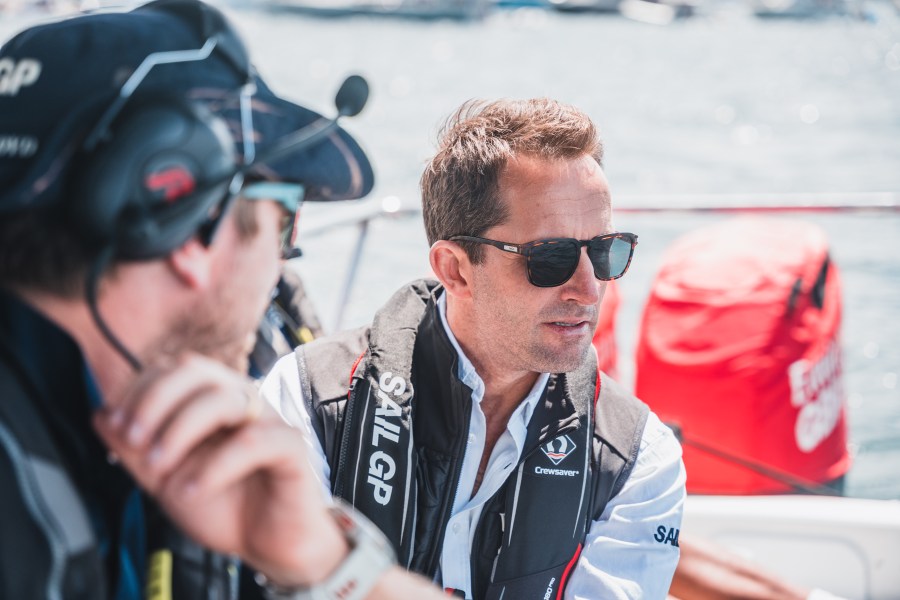
Few athletes understand endurance, pressure and precision quite like Sir Ben Ainslie. The most successful sailor in Olympic history has spent a career mastering wind, water and marginal gains. Now, he’s swapping the boat for the road, taking on the London Marathon in support of the 1851 Trust https://1851trust.org.uk/ – the STEM and climate education charity he founded in 2014. Men’s Fitness caught up with Ben ahead of the Marathon to ask about transitioning from elite sailing to marathon running, how his training has evolved, and why strength work – not just miles – is the key to going the distance.
Men’s Fitness: Have you always been a runner, or is this something you’ve come to more recently?
Ben Ainslie: I’ve always been a runner – not in a serious, competitive sense, but I’ve always enjoyed it. For me, it’s as much about the mental side as anything else. Getting outside, fresh air, a bit of freedom – that’s always been a big part of it.
Back when I was sailing in the Laser class at the Olympics, running was part of my training because I was trying to keep my weight down. It suited the kind of high-intensity aerobic work I was doing. When I switched to the Finn class, though, everything changed. I had to put on about 15 kilos of body mass, so running became less practical and I moved more towards cycling for aerobic work.
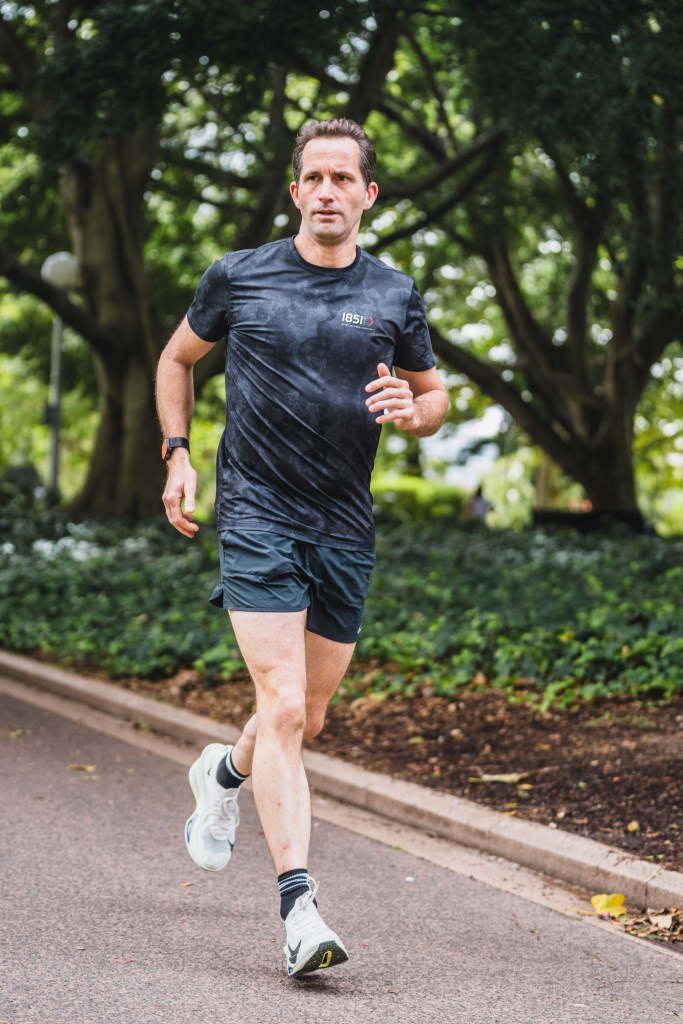
In the last few years, I’ve come back to running more regularly. A lot of that is down to travel – it’s just so simple. You can throw a pair of trainers in your bag and go, whereas taking a bike everywhere isn’t exactly practical.
MF: Is this the longest distance you’ve ever trained for?
BA: Yeah, by a long way. I’ve got a 29K run coming up, and I’ve done 25K so far. In the training plan, the longest run before race day is 32K. So I’m building up to it – but it’s definitely new territory for me.
MF: What’s surprised you most about marathon training?
BA: I always assumed it would just be lots of long, steady runs, but it’s not like that at all. There’s a lot of variety – interval sessions, strength training, higher-intensity work. That’s been really interesting for me. It’s a much more rounded approach than I expected, and actually, it’s made the process more enjoyable.
MF: How are you fitting that around work and family life?
BA: Like anyone, it’s a bit of a juggling act. The good thing is that most of the sessions – like intervals or strength work – are about an hour or so, which is manageable. The longer runs are the challenge. I tend to do those at the weekend and try to fit them around family time. Travel is probably the hardest part. Dealing with jet lag, different climates, and just finding suitable routes – especially when you’re trying to avoid hills or heavy traffic – can be tricky. I did get a bit lost in Sydney once and ended up running a lot further than planned!
MF: Your sport has always required big physical adaptations. How has your diet changed for marathon training?
BA: When I was trying to put on weight for the Finn class, it was all about calories and protein – plus supplements like creatine. In the later years of my career, it shifted more towards weight management – keeping things lean with a more natural, lower-calorie diet. Now, with marathon training, I’ve increased protein intake again, especially with strength work. It’s about supporting muscle recovery and maintaining strength, particularly in the core and legs.
MF: Do you rely much on supplements?
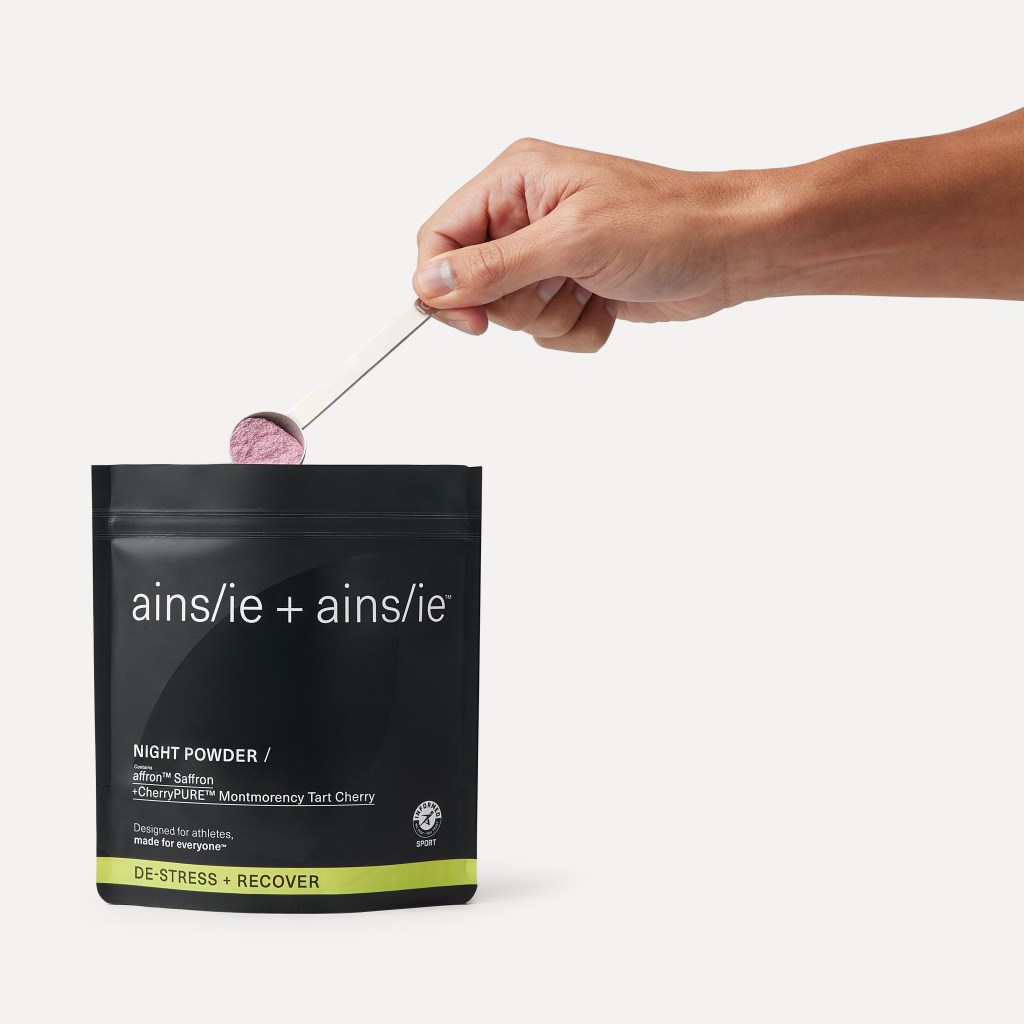
BA: It’s fairly simple – protein shakes mainly. I also use day and night powders that my wife Georgie and I developed, which focus on immunity and recovery. That’s been especially important with travel. I actually got ill flying to Sydney, which set my training back a couple of weeks – and that’s frustrating when you’re on a tight schedule.
MF: Strength training is a big topic for our readers – what does your routine look like?
BA: It’s a mix, but very focused on legs and core, which you’d expect with running. I’ll do things like squats, single-leg squats with dumbbells, leg extensions, leg curls, calf raises, and core work. At the start, I thought I might skip strength sessions to prioritise running, but I quickly realised how important they are. Once I committed to them, I saw a big improvement in performance – especially over longer distances.
MF: How does that compare to your sailing days?
BA: Back then, it was more bodyweight-focused and split across different muscle groups throughout the week. Now it’s more targeted – just two strength sessions a week, focusing specifically on what I need for running.
MF: What about recovery – are you someone who prioritises sleep?
BA: I’m generally a good sleeper, which helps. But what’s interesting is that recovery isn’t just about how long you sleep – it’s about the quality of that sleep. That’s something I’ve paid more attention to recently, especially with the training load.
MF: Do you have a target time in mind for the marathon?
BA: I’d like to get under four hours, and I think I’m on track for that. I’d love to hit 3:30, but I’m not sure if that’s realistic yet. It’s my first marathon, so pacing is going to be key – I could easily go out too hard and end up struggling in the last 10K.
MF: What are you most looking forward to on race day?
BA: The atmosphere, definitely. Everyone I’ve spoken to says it’s incredible – the crowds, the support, the sense of occasion. It’s such an iconic event, and with so many people running for good causes, it makes it even more special.
MF: The mental side is something you’ve mastered in sailing – will that come into play here?
BA: For sure. From what I understand, that last 10K is where it really bites. There’s the discipline at the start – not going off too fast – and then later on, it’s about digging in and pushing through the discomfort. That’s something I’m familiar with from sailing, so hopefully it’ll stand me in good stead.
Ben is running the London Marathon in support of the 1851 Trust https://1851trust.org.uk/ – the STEM and climate education charity.