

From Harry Kane and Cristiano Ronaldo to Novak Djokovic, elite athletes are embracing Pilates to build strength, improve mobility and stay injury-free. Here are 10 reasons you should consider it too
PICS: Getty Images
With England’s World Cup semi-final success putting elite performance back in the spotlight, it’s no surprise more professional athletes are turning to Pilates to gain a competitive edge. Once dismissed as something reserved for dancers or rehabilitation clinics, Pilates has become a key part of the training programmes of some of the world’s biggest sporting names.
Harry Kane is among the elite athletes reported to have incorporated Pilates into his training to improve core strength, balance and movement quality. And he’s not alone. David Beckham, Cristiano Ronaldo and tennis legend Novak Djokovic have all used Pilates to complement their training, proving it’s far more than a flexibility workout – or reserved for rehab.
Here are 10 reasons more men should be adding Pilates to their training
1. It builds a stronger core
Pilates isn’t just stretching and slow, controlled movements. It’s one of the most effective ways to build a stronger, more resilient core. Rather than focusing solely on the visible six-pack muscles, it strengthens the deep stabilising muscles that support your spine, improve balance and help transfer power through your entire body. Whether you’re lifting heavier in the gym, running, playing football or simply moving better day to day, a stronger core means better performance, greater control and a lower risk of injury.
2. It improves mobility
One of the major benefits of reformer Pilates is improved flexibility. Many men spend hours building strength through presses, curls and squats but rarely balance this with mobility work. Over time, this can lead to stiffness, restricted movement and poor posture. Pilates flips that on its head by helping you strengthen muscles while improving mobility and flexibility at the same time. The result is better movement, less stiffness and a body that not only feels stronger but moves more efficiently.
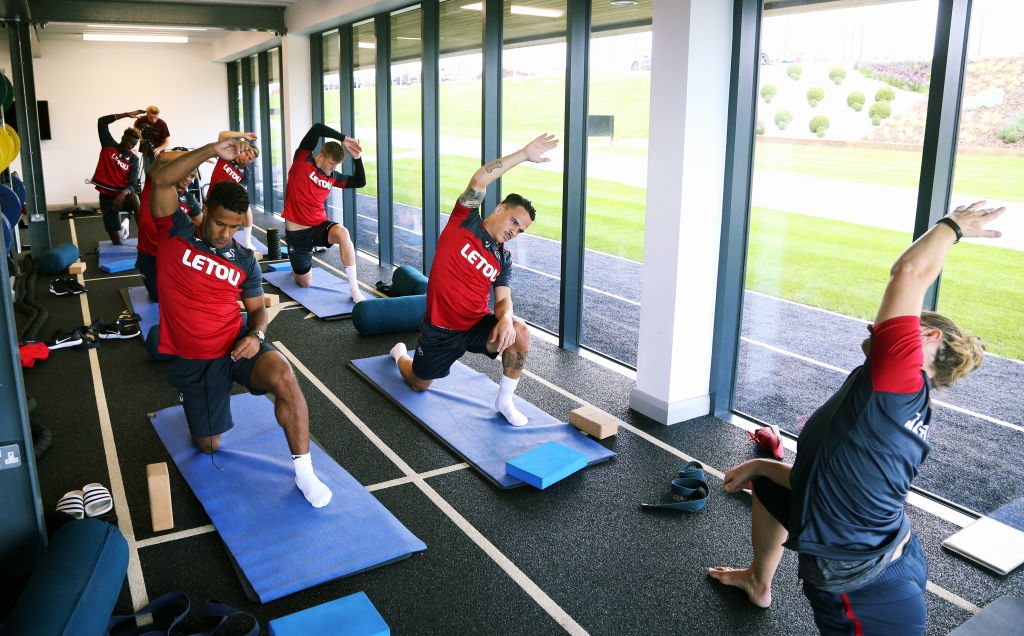
3. It strengthens muscles you didn’t know you had Instead of focusing solely on the muscles you can see in the mirror, Pilates targets the smaller stabilising muscles around your shoulders, spine, hips and pelvis that traditional gym programmes often overlook. Strengthening these muscles improves joint stability, body control and movement efficiency, making you stronger, more balanced and more resilient.
4. It helps prevent injuries
Reformer Pilates allows you to build strength and stability without the high-impact or heavy forces that can stress the knees, hips and lower back. By strengthening the deep stabilising muscles around your core and glutes while reinforcing efficient movement patterns, it can also help correct muscle imbalances and reduce the risk of overuse injuries.
5. It improves posture
Pilates strengthens the upper back, glutes and core while improving spinal and shoulder stability. The result is better posture, more efficient movement and less strain on the spine, hips, neck and shoulders – whether you’re sitting at a desk or training in the gym.
6. It improves balance and coordination
Better balance isn’t just useful for elite athletes. The unstable, constantly moving carriage and changing spring resistance all improve coordination and body awareness, helping you move more intelligently whether you’re lifting weights, playing sport or simply going about everyday life.
7. It makes you stronger in the gym
A stronger core and better movement mechanics provide a more stable foundation for compound lifts, helping you lift better – not just heavier. Pilates also teaches your muscles to work together more efficiently while improving alignment and correcting imbalances, so your body generates force more effectively during every lift.
8. It helps correct muscle imbalances
Most of us have one side that’s stronger than the other – its normal. Pilates quickly exposes those weaknesses, helping improve left-to-right symmetry before small imbalances turn into bigger problems or injuries. By training each side of the body with precision and control, it encourages better alignment, more balanced movement patterns and a stronger, more resilient body.
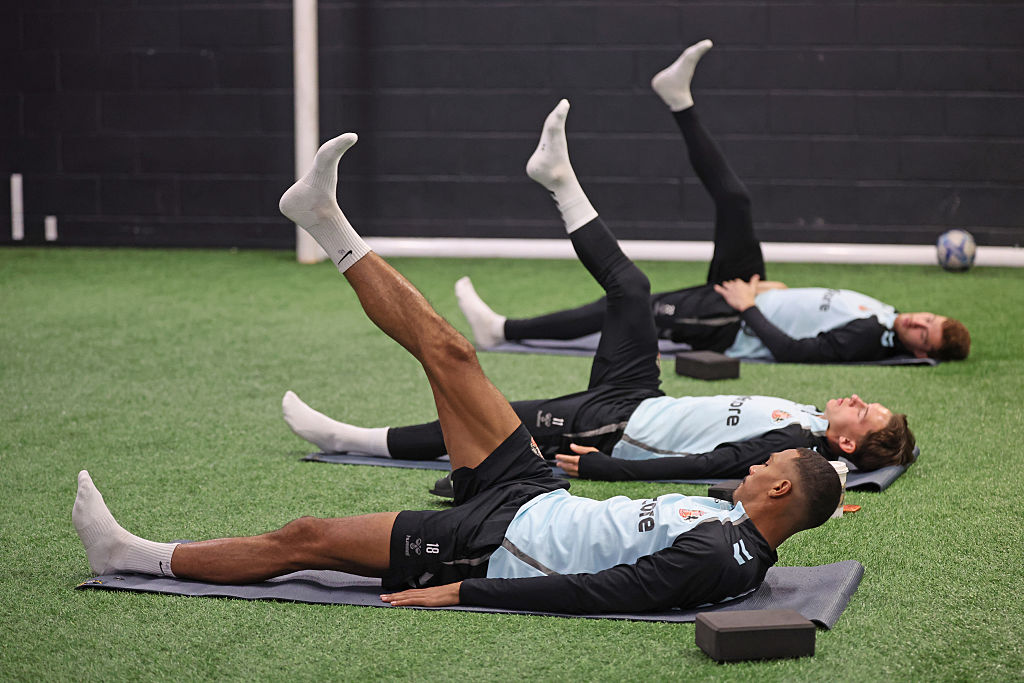
9. It’s low impact but surprisingly tough
Don’t mistake low impact for low intensity. The Reformer Pilates bed has been engineered to support and challenge the body through movement. By combining spring tension and bodyweight resistance, it demands high levels of muscular engagement and control, helping you strengthen and lengthen muscles under load – with minimal impact on the joints and therefore placing far less stress on your joints than many traditional workouts.
10. It can help you move well for longer
Whether you’re chasing a PB, playing competitive sport, or simply want to stay strong into your 40s, 50s, and beyond, Pilates develops the mobility, control, strength, and resilience that help you perform at your best for longer.
Research from Rafsanjan University of Medical Sciences found that regular Reformer Pilates can improve not only physical strength but also mood and happiness, and is a safe and effective way to scale resistance training, especially in older adults, helping to reduce fall risk, improve postural control, and maintain muscle strength with far less wear and tear on the body.