
From cardiovascular health and stress relief to muscle recovery and mental sharpness, here’s the evidence-backed guide to getting maximum benefit from heat and cold exposure
Saunas have hit the mainstream. What was once a distinctly European or south-east Asian quirk that you may tentatively enjoy during an anniversary weekend away is now a widely considered, and for many integral, part of their wellness routine.
The British Sauna Society listings of saunas in the UK has a near 50% increase in listed saunas this year alone, rising from 540 at the start of the year to 792. Cold plunging has also seen huge increases in popularity.
As with any wellness boom, the truths on whether these things work well, and how to do them best, is widely contested. Unreliable sources can quickly permeate social media, so we’ve decided to ask a few experts about the ways to get the very best out of these activities, what works, why it works.
Sauna benefits
The main benefits from sauna are to do with the exposure to very high temperatures (without the damaging impacts of the sun). Dr Simon Small says that “used carefully, sauna may help train the cardiovascular, nervous and stress-response systems and actually, evidence is probably stronger than many people realise, particularly in relation to cardiovascular health.”
Dr Small does caveat that the best-known data isn’t perfect, but the evidence continuing to emerge is very much encouraging around reducing cardiovascular death, sudden cardiac death, all-cause mortality, dementia and Alzheimer’s disease. In simple terms, Dr Small says “sauna can mimic the cardiovascular effects of gentle to moderate exercise, although it absolutely should not be seen as a replacement for exercise.”
Celebrity trainer Michael Baah always brings it back to saunas. “I’ve used everything from cryotherapy chambers to luxury recovery suites. Despite all the innovation, I come back to the traditional sauna. I often describe it as passive cardio,” he says, explaining that the heart-rate climb while sitting still means you can recover while, in a sense, having an extended workout. Stress reduction and mood improvement also come from workouts, of course.

Should I use a traditional sauna or an infrared sauna?
Practically, a traditional sauna heats the air to 70 to 100°C, which heats the body indirectly. Infrared saunas penetrate the body. Despite hitting similar internal body temperatures as a traditional sauna, this is usually achieved with air temperatures in the 40 to 60°C range. Because the air is cooler, some people find infrared saunas more tolerable for longer sessions.
Both are forms of passive heat therapy which increase sweating, heart rate and relaxation. However, most of the strongest long-term evidence relates to traditional Finnish-style sauna use, not infrared saunas.
Dr Small says this “doesn’t mean infrared is useless. Actually, it may be a good option for people who want a gentler heat exposure or who find traditional saunas uncomfortable. But going on data, I would be cautious about claims that infrared is superior.”
Baah agrees that he prefers traditional sauna due to the existing evidence, but says “the best sauna of the two is the one you’ll actually use consistently.” So for those who only have access to infrared saunas, whether financially, practically, the general benefits are very likely to be similar in a physiological sense at least.
How and when to sauna effectively
Across the experts we’ve spoken to, the consensus is to start gently, 5 to 10 minutes, always aiming for a traditional sauna which heats to at least 70°C or 40°C for an infrared sauna. When you can tolerate this, build towards 20 minutes. To get good benefits, two to three sessions per week is reasonable, but more frequent even daily use is beneficial eventually.
Cold plunging benefits
When it comes to sauna’s cold cousin, Dr David Porter says that it “reliably produces an acute mood and alertness lift via a spike in noradrenaline and dopamine, which is why people feel sharp afterwards.” But when it comes to claims around immune function, fat loss and long-term mental health “results are far more speculative.”
In the recovery department Dr Shelby Marquardt says “it can bring about small-to-moderate improvements in perceived soreness and subjective recovery, which is why athletes often use it when they’re trying to feel functional again quickly.” Though, as with saunas, there’s no substitute for sleep, sensible training, and nutrition.
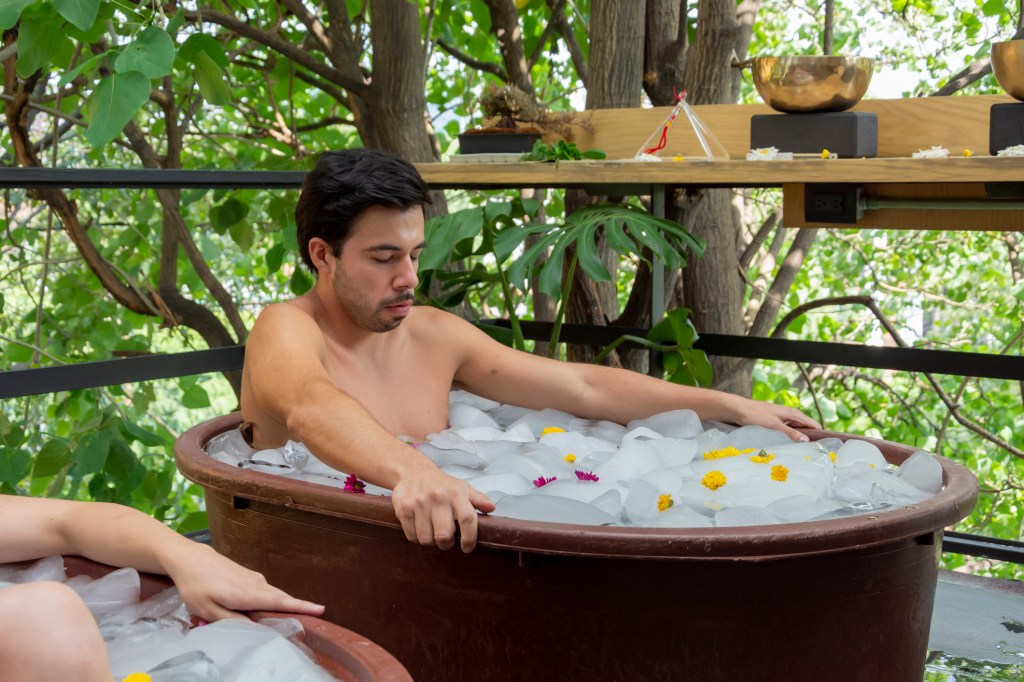
How and when to cold plunge
Dr Marquardt says that “plunging immediately after lifting can blunt some of the muscle-building signalling the workout is meant to stimulate. For people focused on hypertrophy, it’s usually smarter to separate cold immersion from lifting sessions, or reserve plunges for times where short-term recovery matters more than maximising gains.
The general consensus is that two to three rounds of one to three minutes is plenty, and when it comes to temperature there’s little benefit to going too extreme. Baah says: “The biggest misconception is that colder is better. Most people don’t need near-freezing water.”
Dr Small agrees, suggesting “starting with cold showers rather than an ice bath. Focusing on slow breathing and trying to stay calm. Around 10 to 15°C is already very cold for most people.”
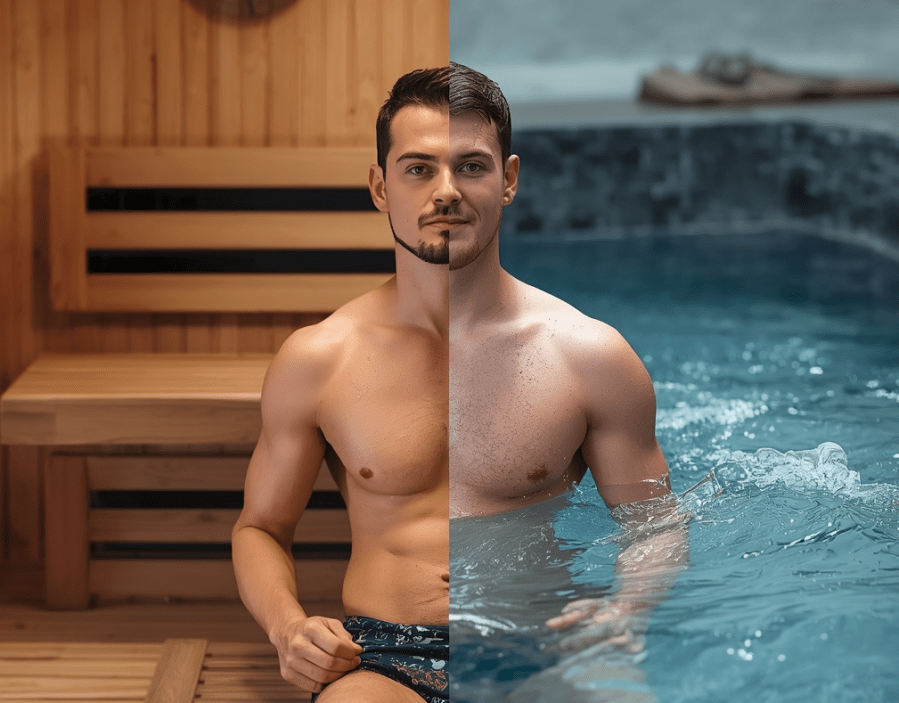
Is contrast therapy the best of both worlds?
Basically, no. And for some, it can carry health risks. Dr Small who himself does contrast therapy explains that “the appeal is heat relaxes, dilates blood vessels, and raises heart-rate; while cold immersion then creates a contrasting sympathetic stimulus and peripheral vasoconstriction (tightening of blood vessels) which many people find invigorating, restorative and mentally resetting.”
However, the combination needs to be treated with respect and ideally medical consultancy, because it can cause marked changes in heart rate, blood pressure and breathing.
For those with cardiovascular disease, arrhythmias, uncontrolled hypertension, recent heart attack, recent stroke, significant frailty, pregnancy complications or a tendency to faint, it could be very risky. Should you decide to do it, ending warm tends to support relaxation and sleep, while ending cool tends to help you feel alert.
As always, the advice with this promising part of a wellness routine is to keep it simple, build up slowly, and be consistent. Also, each expert said to avoid alcohol during sessions, hot or cold, indoor or outdoor, traditional or infrared. So be sure to do that.