
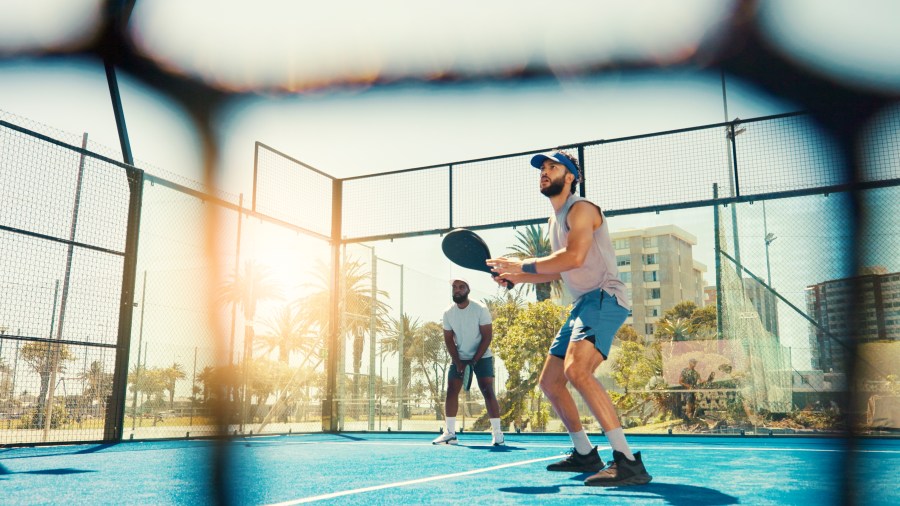
Experts reveal 8 key exercises to enhance your padel performance through your gym workouts
Padel is one of the fastest-growing sports right now, with participation continuing to surge as more players take to the court both recreationally and competitively.
New data from the Lawn Tennis Association has shown that at the end of 2025, 860,000 adults and juniors played padel at least once in the last year, which has more than doubled since 2024*.
Greg Bradley, Founder of BLK BOX, explains: “Padel has grown so quickly because it’s accessible, social and easy to pick up, but still competitive enough to keep people engaged.
“It sits in that sweet spot where people can improve quickly, play regularly and enjoy the experience with others, which is a big part of its appeal.”
As the sport continues to grow, so too does the desire to improve. But while many players focus on match play, performance is increasingly being shaped away from the court.
Greg Bradley explains: “The greatest improvements to performance don’t always happen on the padel court.
“Spending time in the gym allows you to build the physical qualities that underpin successful performance, things like strength, control and resilience, which can be more difficult to develop through playing alone.”
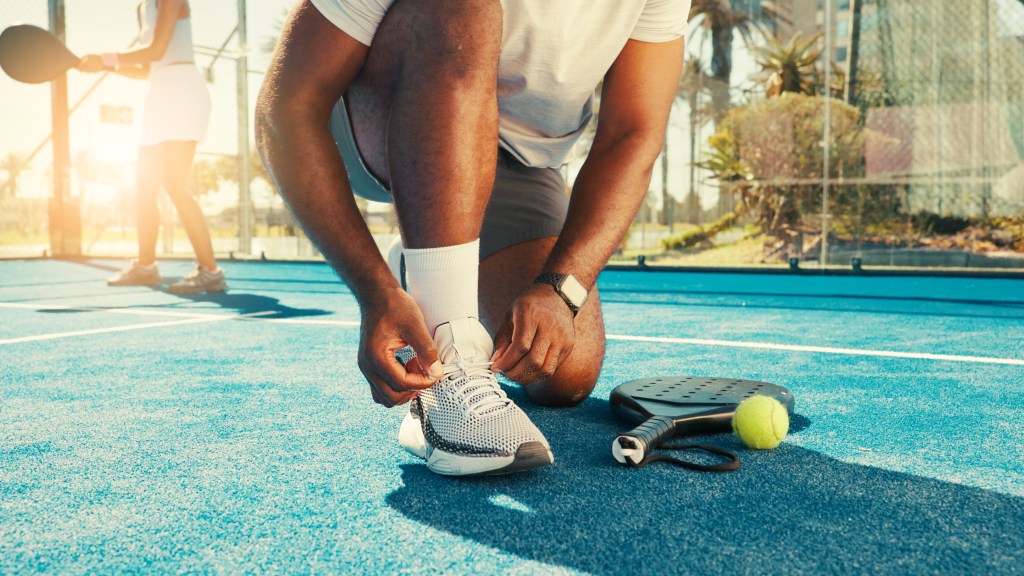
Try these 8 key exercises to enhance your padel performance
Each of these movements targets a specific physical demand of padel, from rotational power and agility to endurance and shoulder strength, to help you support your padel performance through your gym routines.
1. Cable rotations
Rotational strength is central to padel, underpinning everything from forehands to smashes. Developing this movement pattern allows players to generate more power through the torso while maintaining control and precision in their shots.
Equipment: Cable machine or resistance band
How to perform:
Stand side-on to a cable machine or anchor a resistance band at chest height, holding the handle or band with both hands and arms extended. With feet shoulder-width apart, rotate through your torso (not your arms), keeping your hips stable and core braced throughout. Use a moderate resistance that allows for smooth, controlled movement; you should feel the work through your core without relying on momentum. Control the return to maintain tension.
2. Lateral lunges
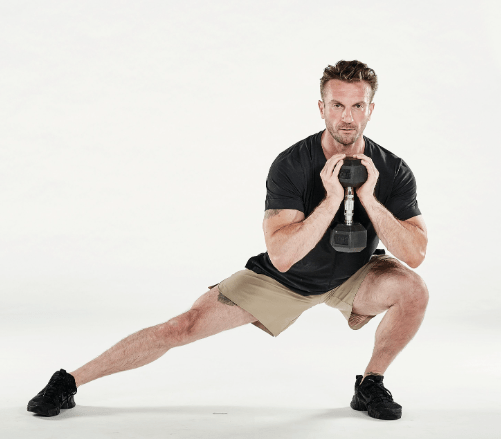
Padel is played predominantly in lateral patterns, with constant side-to-side movement across the court. Strengthening this range improves your ability to change direction quickly while staying balanced and controlled.
Equipment: Bodyweight or dumbbells
How to perform:
Take a wide step to the side, pushing your hips back as you bend one knee while keeping the other leg straight. Keep your chest upright and weight through your heel. Drive back to the starting position with control.
3. Medicine ball rotational throws
Explosive rotational power is what allows players to hit with speed without over-relying on the arms. This translates directly into more dynamic, controlled shot-making under pressure.
Equipment: Medicine ball and wall
How to perform:
Stand side-on to a wall with a slight bend in your knees. Rotate through your hips and torso to throw the ball against the wall explosively. Keep your core engaged and catch the ball on the rebound, resetting your stance each time.
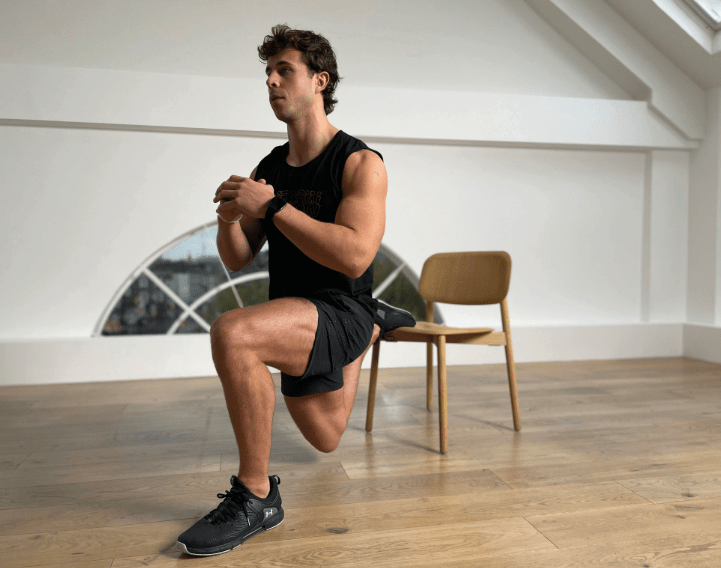
4. Bulgarian split squats
Padel often requires players to generate force from a single leg, whether lunging for a shot or recovering position. Building unilateral strength improves both stability and power in these situations.
Equipment: Bench or elevated surface
How to perform:
Place your back foot on a bench and keep your front foot planted firmly. Lower your back knee towards the floor while keeping your torso upright and front knee tracking over your toes. Drive through your front heel to return to standing.

5. Kettlebell swings
The repeated bursts of effort in padel demand both power and endurance. This movement develops the ability to produce force efficiently while sustaining performance over longer rallies.
Equipment: Kettlebell
How to perform:
Start with the kettlebell on the floor slightly in front of you. Hinge at the hips with a flat back to grip it, then swing it back between your legs. Drive your hips forward explosively to bring the kettlebell up to chest height, keeping your arms relaxed and core tight.
6. Box jumps
Quick reactions and explosive movement are key in fast-paced rallies. Developing lower-body power helps players accelerate more effectively and reach difficult shots sooner.
Equipment: Plyometric box or platform
How to perform:
Stand with feet shoulder-width apart, dip slightly at the knees and hips, then jump onto the box. Land softly with bent knees, keeping your chest upright. Step down under control between repetitions rather than jumping back down.
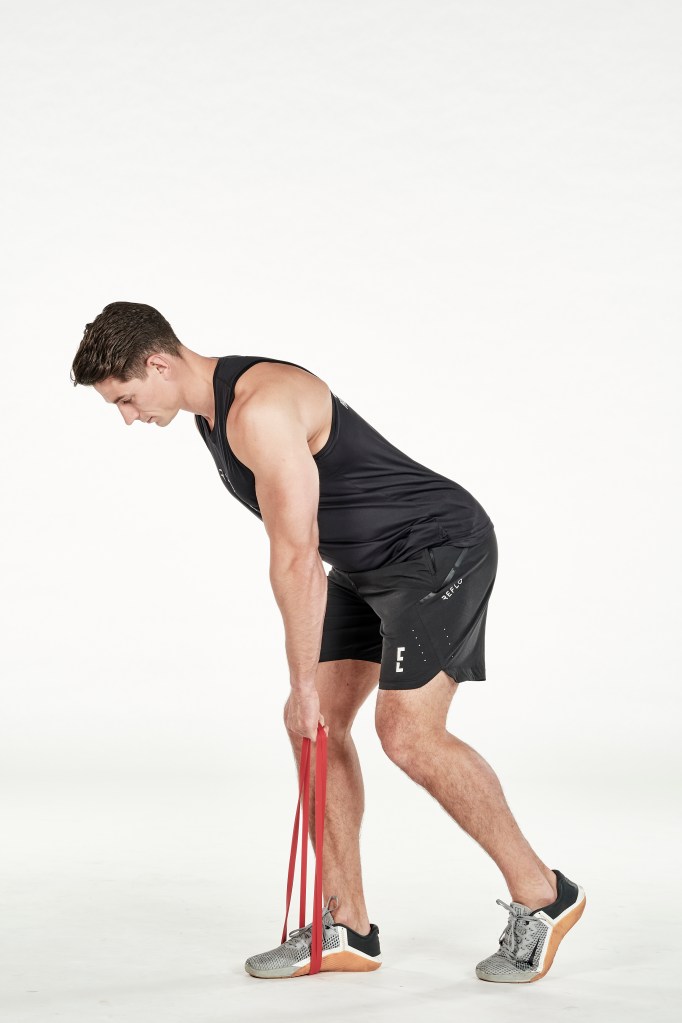
7. Single-leg Romanian deadlifts
Balance and control are essential when moving under pressure or reaching awkward positions. Strengthening stabilising muscles helps reduce injury risk while improving movement efficiency on court.
Equipment: Dumbbell or kettlebell
How to perform:
Hold a weight in one hand and balance on the opposite leg. Hinge at the hips while extending your free leg behind you, keeping your back flat and hips level. Lower until you feel tension in the hamstring, then return to standing under control.
8. Dumbbell push press
Padel involves repeated overhead actions, from smashes to defensive lobs. Developing strength and power through the shoulders allows players to generate force more efficiently while maintaining control during high-speed exchanges.
Equipment: Dumbbells or barbell
How to perform:
Hold the weights at shoulder height with elbows slightly forward. Dip slightly through the knees, then drive upward explosively, using your legs to help press the weights overhead. Lock out your arms at the top, then lower the weights back down with control.