
Joe Wicks, aka The Body Coach, opens up on unrealistic physiques, supplement culture and why even he feels the pressure – plus how he’s training smarter, not harder, as he enters a new decade
There was a time when Joe Wicks bounced out of bed, attacked every workout at full throttle and rarely thought twice about recovery. But as he approaches his 40s, the man who helped get the nation moving during lockdown is evolving – not just in how he trains, but in how he thinks about fitness altogether.
These days, Wicks is just as vocal about what doesn’t sit right with him in the industry: a surge in supplement culture, chemically enhanced physiques flooding social media, and the unrealistic expectations they’re creating – particularly for younger men.
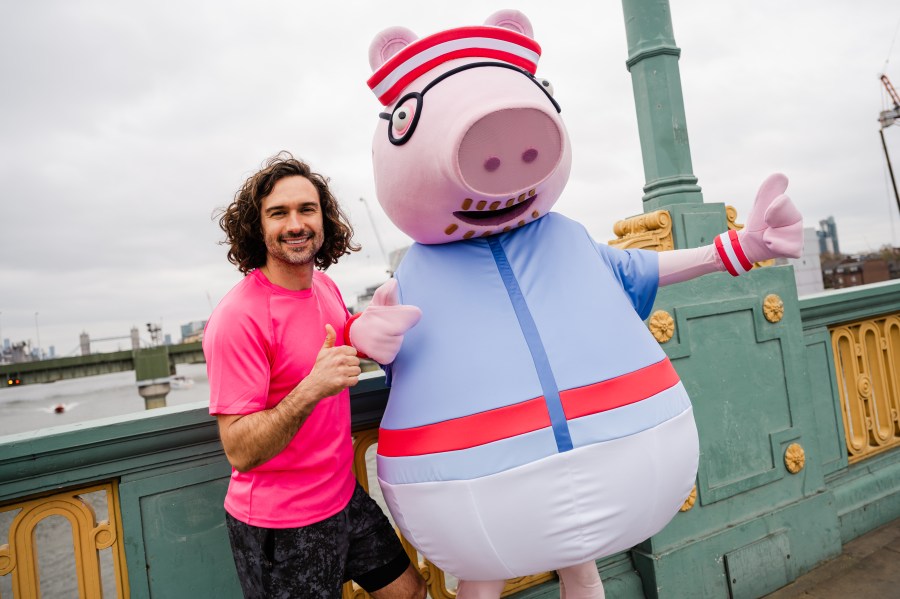
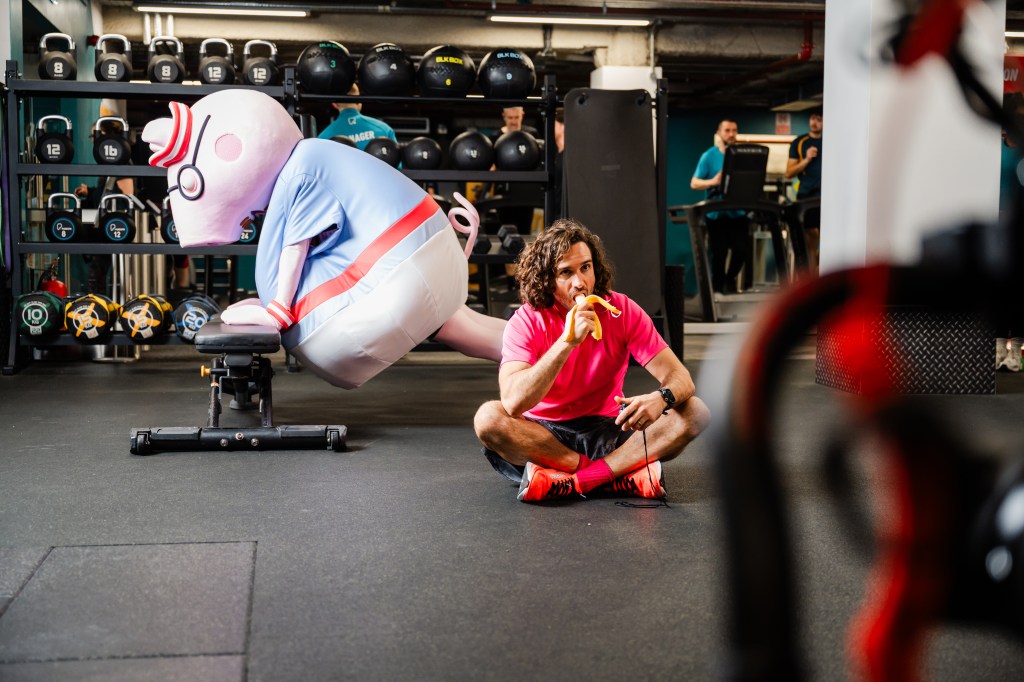
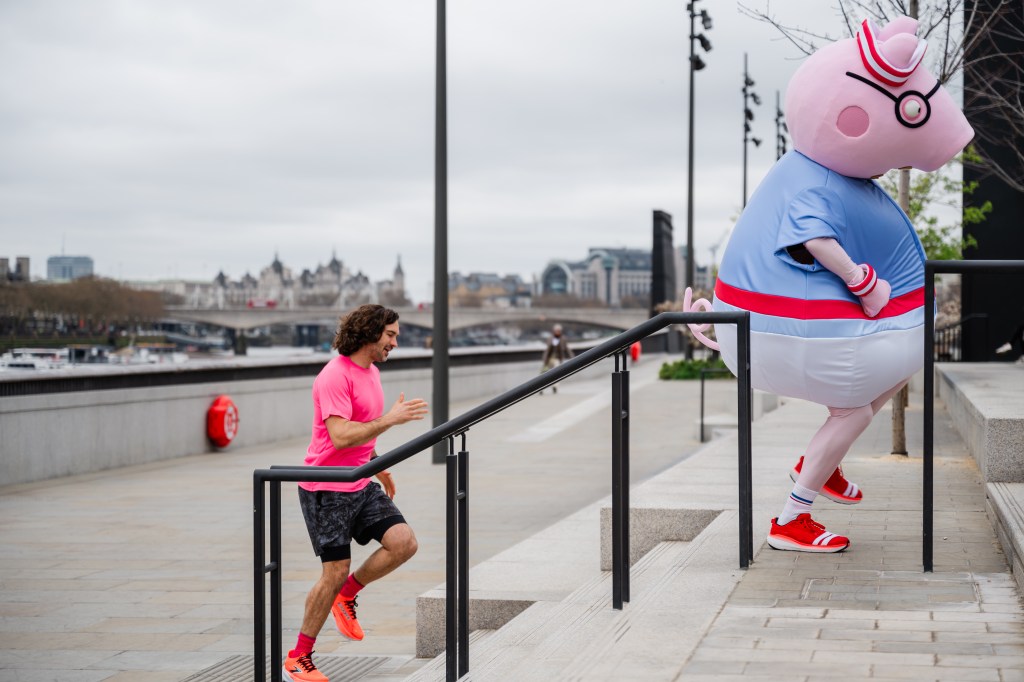
At the same time, he’s juggling life as a father of four, training smarter rather than harder, and preparing for a unique challenge: running the London Marathon alongside Daddy Pig to raise money for the National Deaf Children’s Society.
“I’m seeing things I know aren’t achievable naturally”
Wicks has never been dogmatic about supplements. He’s used protein shakes in the past, but never built his philosophy around them. Now, though, his concerns run deeper – not just about what people are taking, but what they believe is possible.
“I’ll be honest – really honest – I’ve never been big on supplements. I’ve always been quite sceptical. I used to have whey protein, but even that I don’t really use anymore because it doesn’t always agree with my gut. I prefer to get what I need from food.
“But recently, my Instagram feed has just been flooded with this whole movement – peptides, hormones, all these different ‘stacks’ people are talking about. And alongside that, I’m seeing these unbelievably perfect physiques on young guys who look incredible.
“The difference now is I’m becoming more aware that I can’t achieve that naturally. I’ve been training for 20-plus years, and my body hasn’t changed dramatically in that time. I feel strong – actually, I’m the strongest I’ve ever been. I’m doing weighted pull-ups and dips with 20 kilos, I’m squatting, pressing – everything is stronger than it’s ever been.
“But physically? I haven’t changed much. Maybe I’m gaining tiny bits of muscle over time, but it’s slow. And what that does is shift your perception of what’s achievable. If I’m honest, it’s probably made me feel less confident in my body than ever, because I’m seeing this stuff every single day – peptides, hormones, growth hormone, all of it.”
“You start questioning yourself, even when you know better. And I’m 40, I’ve been in the industry for years. If I’m feeling that, what’s a teenager thinking?”
“I’ve come this far naturally, and I’m genuinely happy with what I’ve built. But it definitely changes your view of what people are willing to do to alter their physique. For me, it always comes back to the same thing – training hard, eating well, and being consistent. That’s the long-term solution, and that’s what I’ll always stand by.”
Training smarter at 40
Physically, Wicks is in a strong place – arguably stronger than ever. But the way he gets there has changed. “I used to think I had to train hard every single day – HIIT, bodyweight circuits, just go all in. I loved it, and I still do, but it’s tough on the body.”
Now, recovery is no longer optional, it’s essential.“I’m probably doing three proper strength sessions a week now. The days in between are for recovery – stretching, mobility, letting the muscles repair. You realise that’s when the progress actually happens. You can’t just keep smashing your body every day and expect to improve.”
There’s also been a move away from high-impact work. “I’m doing more controlled strength training, more time under tension, more stability. I feel better in my joints, my hips aren’t as tight, and my physique actually responds better to it.” And then there’s the quieter work – the kind that doesn’t make it onto social media. “I’ll sit on the floor in the evening watching TV and just stretch – hip flexors, pigeon pose, ankles, breathing. I’m doing a lot more yoga and reformer pilates now. It makes a difference.”
Marathon mindset: consistency over perfection
This year’s London Marathon brings a different kind of challenge – and a different kind of motivation. Running alongside Daddy Pig might sound light-hearted, but the cause – supporting the National Deaf Children’s Society – gives it real meaning.
“I didn’t just want to coach him and send him off – I wanted to be part of it. So I’ll be running the whole thing with him.” The goal isn’t a personal best. “We’re aiming for about five hours, doing a bit of run-walk, soaking up the atmosphere. It’s not about pace – it’s about finishing and enjoying it.” His advice for others is refreshingly simple.
“Keep your training balanced – one long run a week, one strength session, one interval session. That’s enough.” And on race day? “Don’t change anything. Eat what you’ve practised with. There’s so much support out there – people handing out sweets, fruit, drinks – you won’t run out of energy.”
Fitting fitness around family life
With four children and a packed schedule, Wicks knows that time is the biggest barrier for most men. “It’s hard – and there’s always that guilt, like you should be helping out more at home. I try to train before the kids wake up. If I get it done early, I feel better for the rest of the day – calmer, more present.”
If that’s not possible, he encourages flexibility. “Can you run to work? Train on your lunch break? Plan your week around your kids’ activities?” Because ultimately, priorities shift. “My life now is about them – taking them to clubs, football, giving them great experiences. So you’ve just got to find a way to fit training around that.”
Switching off in a switched-on world
If physical recovery has become more important with age, so has mental recovery. For Wicks, that starts with something deceptively simple: putting his phone down. “I’m so aware of how addictive it is. If it’s on me, I’ll check it – I won’t be fully present.”
So he creates distance. “Sometimes I just turn it off and go out with the kids – park, farm, whatever. It takes a few hours, but you start to feel relaxed.” Another unexpected shift has been his relationship with reading. “I’ve always struggled with reading, but recently I’ve gotten into it in a big way.”
His preference is for non-fiction – real stories, real lives. “I’m reading autobiographies, books about business, even stuff on AI. I’ve just started one by Chris Blackwell – the guy who founded Island Records. It’s amazing – stories about growing up in Jamaica, discovering artists like Bob Marley. I’m replacing screen time with books. Instead of scrolling, I’ll read for a bit. It’s been a really positive change.”