
From magnesium cocktails and mouth taping to sleep trackers and temperature-controlled beds, men are spending more than ever to optimise recovery. But what actually works – and what’s pure wellness theatre?
If you’re tired of being tired all the time, always waking up feeling groggy and sick of spending the day sluggish, then you might be interested in the latest health trend: sleep hacking!
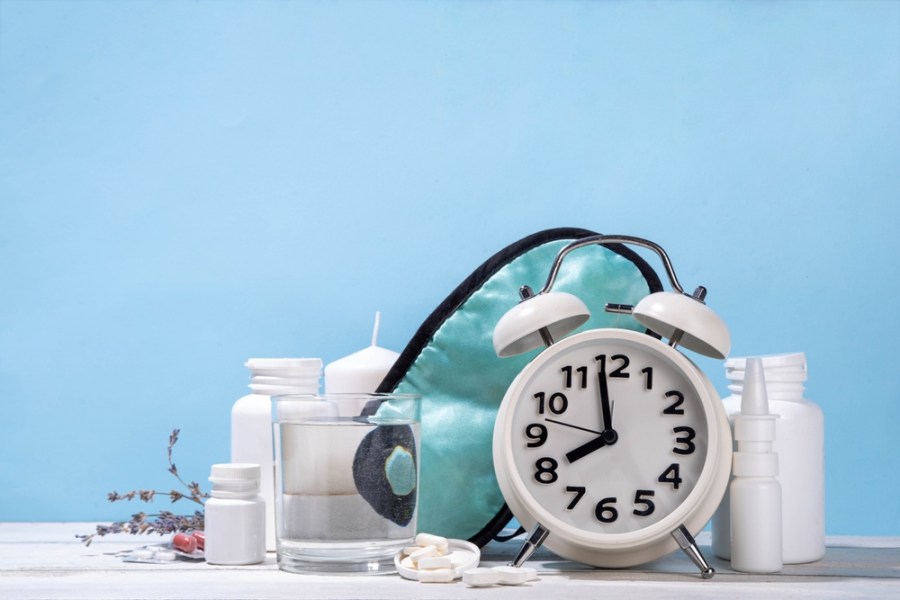
This new wellness movement encompasses everything from tricks to tech – all which claim to help you sleep more efficiently – using everything from supplements to sleep masks, air purifiers, cooling mattress red light therapy, and detailed nighttime rituals.
And while it doesn’t sound as glamorous as some of the other biohacking trends – paying attention to sleep in a more proactive way could be hugely impactful. But how much should we really be trying to trick nature when it comes to something as fundamental as our sleep?
“In many ways, quality sleep is one of the closest things we have to a ‘magic pill’ for human performance and long-term health,” says Sam Neame. He’s a UK-based Performance Coach and health & fitness writer working with athletes and high performers around the world to help optimise sleep, recovery, and long-term performance.
“However, there is a point where sleep can become overcomplicated,” says Neame. “The foundation of great sleep still comes down to consistent habits, a healthy lifestyle, stress management, and giving the body enough opportunity to properly rest and recover.”
We found out what the expert thinks of sleep hacking – and what he recommends for actual successful sleep. Hint: It’s not counting sheep.
Why is sleep so important anyway?
“Sleep is one of the most powerful ways the body and mind recover, repair, and reset,” says Neame. “During sleep, the body has the opportunity to repair damage caused by physical training, daily stress, work, and emotional strain. Even simply being awake and functioning requires a huge amount of energy, which is why quality sleep is essential for restoring and replenishing the body.”
Neame explains that sleep also helps us with our memories, cognitive function, staying emotionally regulated and supporting general mental wellbeing. “Research shows it is deeply connected to recovery from stress and trauma, helping the brain process emotions and experiences more effectively,” he adds.
Why is sleep suddenly trendy?
Everyone is suddenly talking about sleep – but it wasn’t too long ago when getting hardly any sleep was something people wore with a badge of honour. When and why did that change? “I still remember listening to podcasts where people proudly said, ‘I’ll sleep when I’m dead’,” says Neame. “The irony is that consistently starving yourself of sleep will likely get you there sooner than expected.”
“I genuinely think people are starting to realise not only the benefits of a great night’s sleep, but also the serious health risks that come with poor sleep,” he says. “For years, sleep was almost overlooked but now we’re seeing how much sleep impacts everything, from mental health and hormones to performance, recovery, focus, and longevity.”
Neame thinks that people are far more interested in their wellbeing now: “People want more energy, better moods, clearer thinking, and improved health, and sleep sits at the centre of all of that.”
“What’s exciting now is that we’re riding a huge wave of awareness around sleep and recovery,” he says. “Proper sleep doesn’t just help us recover, it improves how we perform, think, train, feel, and function day to day. In many ways, sleeping well is one of the simplest ways to improve both the quality and potentially the length of our lives.”
Does sleep hacking work?
There’s so many ‘hacks’ online that claim to boost sleep success, but many of them require spending money or trying wacky and unnatural ideas. But do they even work, or are they just more internet trends attempting to capitalise on something we can all do naturally? Neame says it’s probably a bit of both.
“I know a lot of people, including friends and athletes I work with, who use a mix of all of these approaches. Things like magnesium “sleep cocktails,” mouth taping, sleep trackers, temperature-controlled mattresses, red light setups, and structured wind-down routines have all become pretty common in the sleep space.”
“The bigger question is often: when is enough actually enough?” says Neame. “I like to remind myself that we’re still fundamentally very “old” creatures. We haven’t evolved out of needing simple, consistent basics. Recovery doesn’t need to be expensive or overly engineered, in many cases, simplicity wins.”
Neame says that the tech doesn’t necessarily beat the old tricks. “Temperature-controlled beds are impressive, but you can also achieve a big improvement just by cooling your room, opening a window, and getting fresh air flowing,” he says. “Sometimes buying the solution feels easier or more advanced, when in reality it’s just a more complicated version of something simple we could already do.”
“The fundamentals still matter most: a calm nervous system, good sleep routine, movement, and consistency. Everything else is just support, not the foundation. If men want to spend money to recover better, then get some earplugs, a Brick (product to limit phone use) and a pillow, ideally one that has good materials to cool you down.”
How to actually improve your sleep:
It can feel daunting to try and improve sleep if it’s something you struggle with; especially if you already have a busy lifestyle, commitments that get you up early or keep you out late. “For anyone who’s busy, stressed, and juggling too much, the key is to keep sleep simple. It doesn’t need to be perfect, it just needs a few solid fundamentals in place.”
It’s important to apply all of our improvements with moderation and not be too strict on yourself explains Neame. “The more we rely on products and “sleep hacks,” the more we can start to create dependency,” he says. “Instead of feeling like sleep is natural, it becomes something we feel we have to optimise perfectly every night. Then, when we travel, sleep away from home, or miss part of our routine, it can actually lead to a worse night’s sleep psychologically, even if nothing is physically wrong.”
Neame says that the key to getting a good night’s sleep is being intentional about it in the morning: “Getting natural daylight early in the day helps regulate your circadian rhythm and supports melatonin production later that night.” Movement during the day can also help tire your body out. “Even 10–15 minutes of movement or exercise during the day can significantly improve your chances of deeper sleep.”
“In the evening, reduce friction: keep your phone out of the bedroom if possible, or at least set a clear cut-off time. Make the room dark and cool, this helps the body stay in deeper sleep stages. Even small things like a lighter duvet (lower TOG) can make a difference, especially if you’re sharing a bed and generating more body heat.”
Neame also recommends keeping the time you’re going to sleep and waking up the same as much as you can – even at the weekends – as the consistency helps establish your cycle properly. “None of this costs anything. We’re simple biological systems at the end of the day, and the basics go a long way.”
“That’s why I always come back to the same idea: use the tools if they help, but don’t lose the basics. Simplicity is what makes sleep sustainable.”