

From infertility to blot clots, the pursuit of peak masculinity can come at a cost. Here’s why higher testosterone levels aren’t always better – and what you need to be aware of
Everyone’s talking about testosterone – symptoms of ‘low T’, how you can boost it, and testosterone replacement therapy – but do you even need it? And could you have too much? Contrary to what you might have been told or seen online, having ‘high T’ is not actually a good thing – and in fact, it can be pretty dangerous.
“Testosterone is a really important male hormone that doesn’t just affect sexual function, but is also receptors in our brains, and in our muscles, and so it is actually vital for our men – and women – to have healthy levels of testosterone in our body.” The key point here is ‘healthy levels’.
That’s according to Dr David Weinstein; he’s been a GP for 20 years, formerly head of men’s health at Newman and now has his own men’s health clinic, meaning he’s seen a variety of different angles on testosterone – from the NHS, to corporate clinics, to private health.
“If it is low, then men will be symptomatic and potentially benefit significantly from treatment – but if it’s too high, particularly through supplementation, then that can cause quite significant issues,” he explains.
Can testosterone be too high?
As testosterone is such an essential hormone for the body to function, for men’s bodies to be working most efficiently, testosterone should be at a ‘normal’ and balanced level.
As we now know, when testosterone is low, it can cause symptoms such as a drop in libido, difficulty getting erections, fatigue, low mood, issues with gaining muscle and brain fog. Low testosterone can be treated by seeking advice from a medical professional to implement lifestyle changes, and when clinically needed, having TRT.
But despite what some may want you to believe, testosterone levels should not be too high either – and have their own set of symptoms and risks. “I would never recommend anyone to have very high testosterone levels,” says Dr Weinstein.
“It’s unusual for testosterone to be too high, just naturally,” he explains. “Guys generally will have higher testosterone levels in their late teens and early twenties,” he adds, but otherwise, high levels are usually from another means.
“The main issue with high testosterone is you see lots of guys who buy testosterone from the gym. They inject themselves and then have very high levels of artificial testosterone,” says Dr Weinstein. “Some men do really enjoy that feeling of running very high, but I feel the risks are not worth it, which is why I only ever try to keep men within the normal range.”
“Most of these guys are taking it purely for improving their physiques – having had normal testosterone levels before they started taking it. Whilst with TRT, they should have a blood test which shows they have low levels of testosterone, alongside symptoms of low testosterone, and then all we’re doing is replacing their testosterone up to the normal levels of a man their age.”
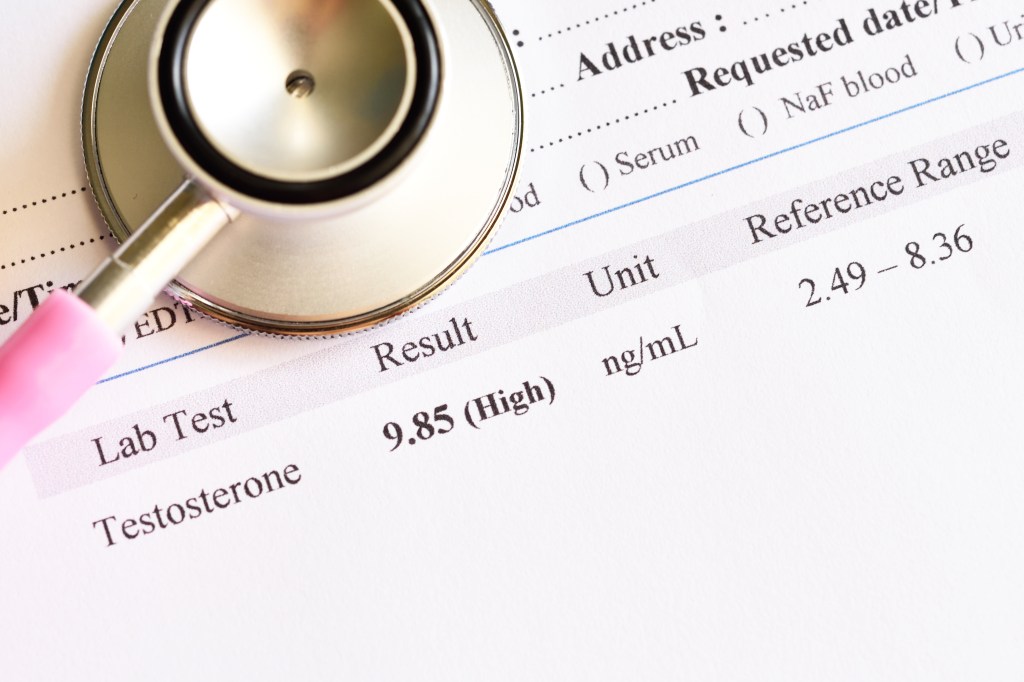
Dr Weinstein says that some men are taking illegal testosterone which gets them up to over double the amount they need in their body. “What we’ll often see, for example, is a normal level of testosterone would be up to about 25, and I will see people who have been taking testosterone at the gym and their levels might be up to 60 or 70.”
What are the main risks of testosterone being too high?
Many men who take testosterone are being sold the benefits, without fully understanding the consequences. “I see guys coming in maybe in their 30s who are a little bit remorseful over what they’ve done to themselves for the last 10 years,” says Dr Weinstein.
Here are some of the Doctor’s most common concerns associated with taking too much testosterone:
- Infertility
The major risk with taking too much testosterone is infertility, explains Dr Weinstein. “If guys are giving themselves lots of testosterone, they will stop making their own,” he says. “They will also reduce their sperm count, so if you have guys in their twenties who haven’t had kids yet and they take testosterone for 10 years, (which I often see), they will then effectively render themselves infertile.”
- Testosterone crash
As stated above, if someone has been taking testosterone for a while, their bodies will stop producing it naturally, which can cause a drop if a supplement is terminated. “If they suddenly stopped taking testosterone, then they have a massive crash because although they may have had normal levels when they started, their balls basically stop making testosterone because they think, ‘well, I’ve got all this testosterone, I don’t need to make it anymore’.”
- Unregulated usage
“Taking testosterone is effectively an illegal activity, but it’s very common,” says Doctor Weinstein. “It’s against the law but very easy to buy over the internet, and you’ll often have some personal trainers in gyms who will supply it to their clients or people will provide it for friends,” he says. “When it’s unregulated, you never quite know what you’re getting and you’re not being looked after.” Not only this, but most of this testosterone is taken via injectables, so you get the hygiene and safety risks associated with using needles.
- Blood clots
“Testosterone can thicken the blood,” says Dr Weinstein. “There’s something called hematocrit, which means your blood thickens when you take testosterone and increases your risk of having a blood clot,” he explains. Unfortunately, because it’s illegal, people are far less likely to go to their GP if they’re having symptoms associated with what they’re taking. “They’re not going to go and volunteer to tell their doctor that they are taking it and sometimes they don’t even tell their partners or families,” says Weinstein. “It’s a big issue.”
- Drop in libido and mood
“When you’re [receiving official TRT] and you’re getting men’s testosterone up to a good normal level, then it just generally improves sex drive and mood. So, you’ll often see guys being quite irritable when their levels are low and then then levels are normally actually a bit more placid and calm – but once you start going to the very high levels, mood drops and sometimes libido actually reduces again and erections can be an issue,” says Dr Weinstein.
- Higher estrogen
Despite so much of the marketing around testosterone pushing men to take it to be more ‘masculine’ (which is complete rubbish anyway), it can instead make you produce more oestrogen. “Oddly, if you have too much testosterone, it starts getting turned into estrogen in the body,” explains Dr Weinstein. “A lot of men will describe getting a bit of breast tissue forming and they sometimes get acne on their back or flushing in their face. So there’s these softer side effects that are significant.”
If you are worried:
If you are concerned that you do not have high enough levels of testosterone, or you’re worried about the risks of something you may have been taking, please seek advice from your GP or men’s health medical professional – and they will advise you on the next steps to take in the safest way. GPs are bound by patient confidentiality and you will not be reported for taking illegal supplements – unless you pose a risk to the wider public.