

From A-list actors to everyday dads, these four remarkable transformations prove there’s no single route to getting lean, strong and confident for summer. But look closer, and the same simple principles emerge – consistency, structure and a plan that fits your life
If there’s one thing modern fitness culture loves, it’s a transformation. Scroll through social media and you’ll see endless before-and-afters promising six-packs in six weeks. But behind the noise, a more useful truth emerges: the best transformations aren’t extreme — they’re repeatable.
Across four recent Men’s Fitness journeys — spanning Sacha Baron Cohen, Paddy McGuinness, journalist Guy Adams, and Jason Smith’s midlife-focused personal training approach — the lesson is clear. There’s no single blueprint for getting beach-body ready. But there are patterns you can follow.
Here’s what these four remarkable transformations reveal.
The celebrity: Sacha Baron Cohen and the power of consistency
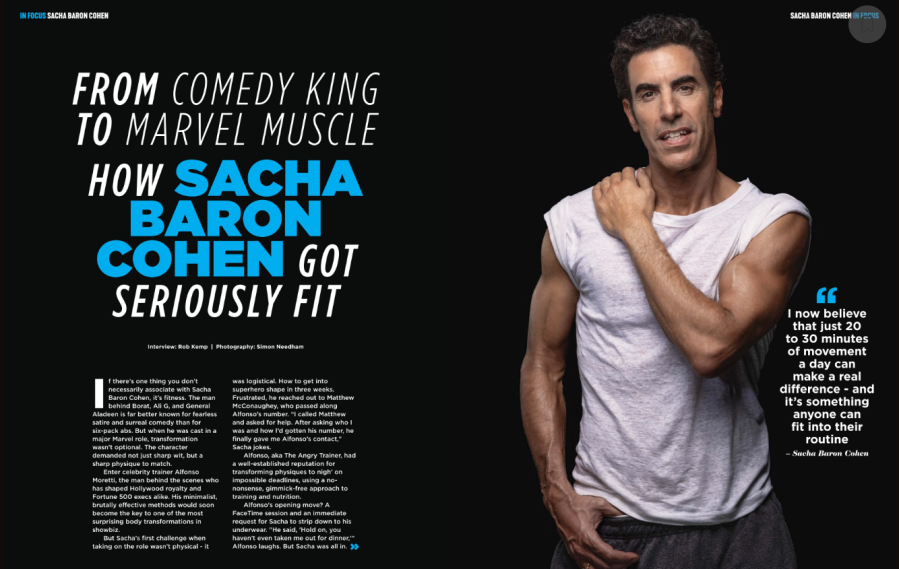
When Sacha Baron Cohen appeared on the cover of Men’s Fitness with a superhero physique at 53, the internet did what it always does – it assumed it couldn’t be real.
But the reality was surprisingly accessible.
“I now believe that just 20 to 30 minutes of movement a day can make a real difference,” he said – a mindset shift that underpinned his transformation.
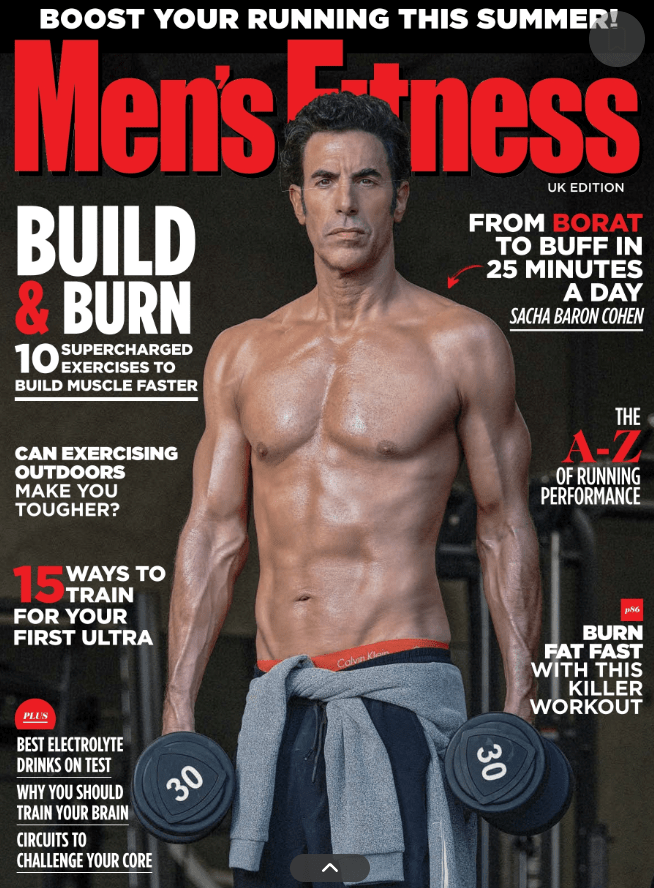
Working with a high-level trainer, Cohen didn’t rely on marathon workouts. Instead, he focused on short, consistent sessions – sometimes just 25 minutes – that he could repeat daily, even while filming.
The takeaway? You don’t need more time – you need fewer excuses.
Apply it:
- Train little and often (20–30 minutes counts)
- Build a “non-negotiable” daily habit
- Focus on consistency over perfection
The journalist: Guy Adams and training that fits real life
If Cohen represents the aspirational end of transformation, Guy Adams represents something far more relatable: a busy, midlife professional juggling work, travel and family.
Tasked with going from “dad bod to cover model” in just 10 weeks, Adams didn’t overhaul his life – he adapted his training to it.
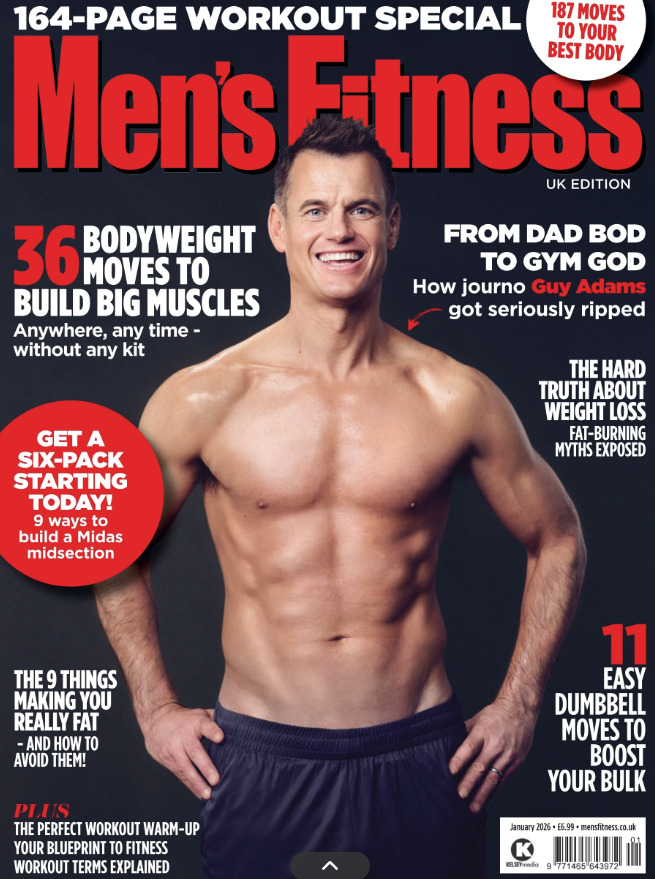
His coach’s philosophy was simple: fitness must “fit into your life, not compete with it.”
That meant:
- Gym-based strength sessions when in London
- Dumbbell circuits at home in Wales
- A flexible programme that evolved week by week
“I wasn’t coming to this from an extreme place,” Adams said — highlighting a key truth: you don’t need to start from zero to see dramatic change.
Crucially, his transformation wasn’t just aesthetic. It was about “energy, confidence, and reclaiming control over health.”
Apply it:
- Make your plan adaptable (gym + home options)
- Track progress weekly (photos, reps, weights)
- Fix weaknesses (mobility, imbalances) early
The presenter: Paddy McGuinness and the danger of extremes
When Paddy McGuinness unveiled his shredded physique after completing the viral 75 Hard challenge, it looked like the ultimate quick fix.
Two workouts a day. No alcohol. Strict diet. Zero compromise.
And it worked – visually.
But the deeper lesson isn’t about copying his routine. It’s about understanding its limits.
Fitness experts warn that these “all-or-nothing” approaches often lead to burnout, with most people unable to sustain the intensity long term.
Even McGuinness himself framed the transformation as emerging from a low point, using the challenge to rebuild structure and discipline.
The real takeaway? Extreme challenges can kickstart change — but they’re not the destination.
Apply it:
- Use short-term challenges as a reset, not a lifestyle
- Avoid “boom and bust” cycles
- Focus on habits you can maintain beyond summer
The personal trainer: Jason Smith on midlife fitness and smarter training
The final transformation isn’t tied to one person – but to a growing movement: training smarter as you age.
Across these stories, one theme repeats: midlife men don’t need to train harder. They need to train better.
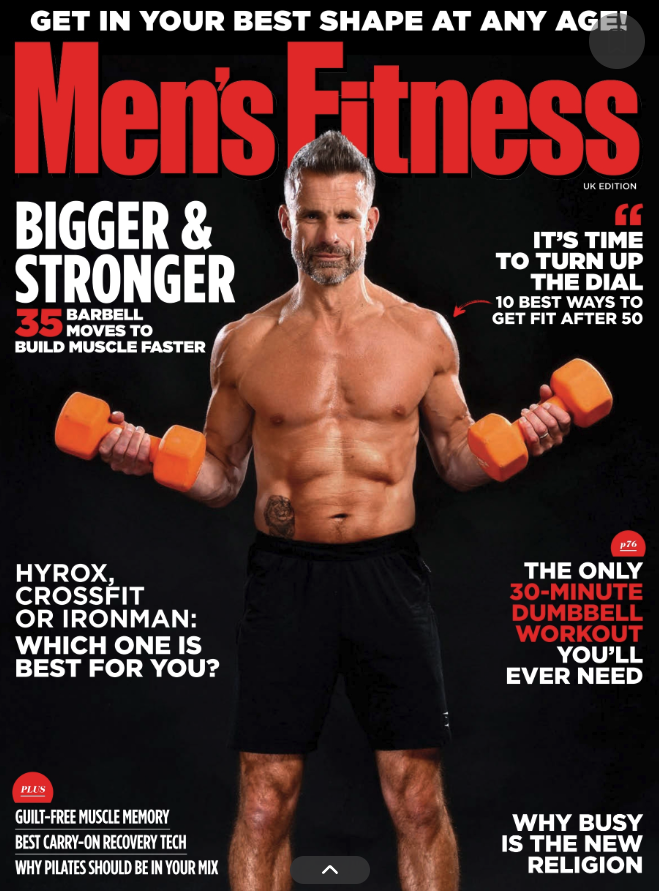
That means:
- Addressing muscular imbalances (like Adams’ weak glutes)
- Prioritising recovery and injury prevention
- Building programmes around real-world constraints
It also means shifting mindset. As one expert explains, lasting change comes from “internal motivation, not external validation.”
In other words: stop chasing the cover model – start building a system.
Apply it:
- Lift weights 2–4 times per week
- Add low-impact cardio (cycling, walking)
- Prioritise sleep, hydration and mobility
The bigger picture: four routes, one destination
At first glance, these transformations couldn’t be more different.
- A Hollywood actor chasing a superhero role
- A journalist on assignment
- A TV presenter testing his limits
- Everyday men rebuilding fitness in midlife
But strip away the context, and the same principles emerge:
1. Consistency beats intensity
Cohen’s 25-minute sessions trump all-day workouts.
2. Fit training around your life
Adams succeeded because his plan was flexible.
3. Avoid extremes you can’t sustain
McGuinness proves discipline works — but only short term.
4. Focus on long-term habits
Real change comes from systems, not stunts.
Your beach-body blueprint
If you want to get in shape for summer, forget the noise. Follow this:
Train 3–4 times per week
Mix strength (weights) with short cardio sessions.
Keep workouts short and focused
30–45 minutes is enough if you’re consistent.
Dial in nutrition basics
Protein at every meal, fewer processed foods, moderate calories.
Move daily
Steps, cycling, sport – it all counts.
Track progress
Photos, strength gains, energy levels – not just the scales.
The idea of a “beach body” often feels like a deadline. But the men in these stories show something more useful: it’s not about rushing to get ready – it’s about building a version of fitness that lasts beyond summer.
Or, as Sacha Baron Cohen put it: if you’ve got time to watch TV, you’ve got time to train.
That might be the simplest – and most effective – transformation advice of all.