

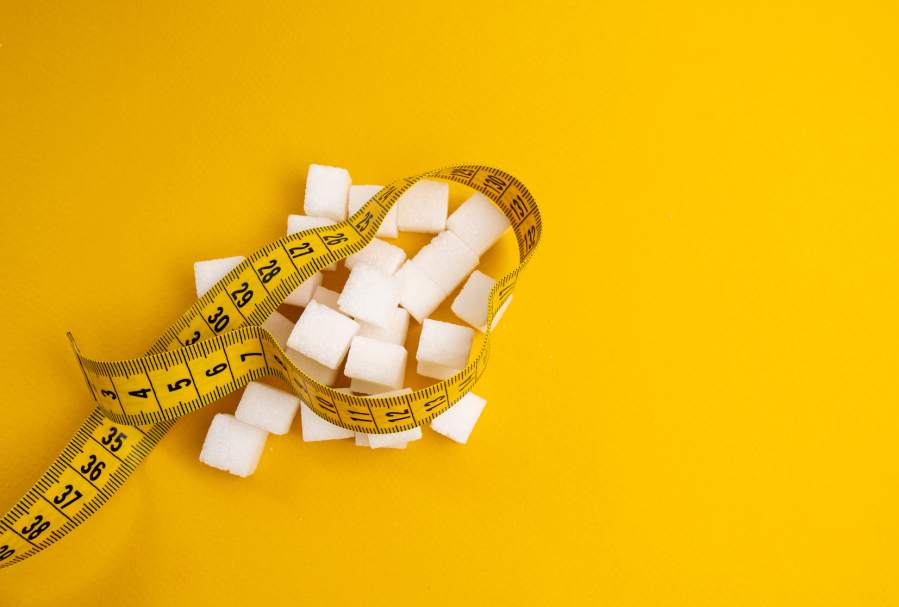
Cutting sugar isn’t just about losing weight. The changes happening across your body — from your skin health to your heart — are more significant than most people realise
WORDS: Ed Cooper
Most men know, on some level, that they eat too much sugar. According to the UK’s National Diet and Nutrition Survey, British men aged 19–64 consume an average of 55.5g of free sugars per day — nearly double the NHS recommended limit of 30g.
If you’re one of them, the effects accumulate quietly for years before anything obvious happens. When you actually cut it out — or even reduce it slightly — the body responds in myriad ways. Here’s what the research says on what’s happening under the hood once you go nix the sweet stuff.
Your energy stops crashing
The first few days are rough. Without a constant supply of quick-burning glucose, energy dips, concentration falters and you may feel a little rough.
Physiologically speaking, this is normal — your body is recalibrating from fast-burning kindling to slower, more sustainable fuel sources.
Push through it, though, as once the adjustment period passes — it usually takes around a week — most people report something they hadn’t expected: actual, consistent energy. No mid-afternoon collapse and fewer attempts at reaching for something sweet at the 3pm slump.
Added sugar causes rapid blood glucose spikes followed by sharp crashes; eliminate the spikes, however and you’ll level out.
You lose visceral fat
Not all fat is equal and sugar has an outsized influence on the most dangerous kind. Fructose — one half of table sugar and the dominant sugar in most processed foods — is handled almost entirely by the liver, where it gets converted into fat through a process called de novo lipogenesis.
A landmark randomised controlled trial published in the Journal of Clinical Investigation found that over ten weeks, participants consuming fructose-sweetened calories saw a significant increase in visceral fat and worsened insulin sensitivity, while those consuming glucose did not — despite both groups eating the same number of calories.
Cut the fructose intake and you’ll directly address the mechanism driving abdominal fat accumulation — which no amount of sit-ups can replicate.
Your skin improves
Sugar damages skin through a process called glycation — glucose molecules binding to collagen and elastin fibres, producing compounds called advanced glycation end-products (AGEs). These AGEs are toxic to cells, accelerating the degradation of the proteins that keep skin firm and elastic.
The result, over time, is premature wrinkling, sagging and dullness. Beyond glycation, high-glycaemic foods trigger insulin spikes that ramp up androgen hormones, increasing sebum production and driving dreaded acne.
A randomised controlled trial published in The American Journal of Clinical Nutrition found a significant reduction in inflammatory acne lesions in participants following a low-glycaemic diet. Cutting sugar won’t fix everything, of course, but the biological case for your skin getting clearer is hard to ignore.

Your heart health improves
The cardiovascular argument for cutting sugar is more compelling than many people appreciate. A study published in Circulation found that reducing sugary drink consumption by just one serving per day produced a measurable drop in blood pressure over 18 months — and a three-point reduction in systolic blood pressure is estimated to lower stroke mortality by eight per cent and coronary heart disease mortality by five per cent.
More recently, a 2025 study from King’s College London and Dresden University of Technology found that people who achieved prediabetes remission — through diet and lifestyle — reduced their risk of heart attack, stroke and other major cardiovascular events by 42 per cent. Blood pressure, inflammation, insulin resistance: sugar is involved in all of them.
Your gut microbiome rebalances
Your gut bacteria are extremely sensitive to what you feed them — and added sugars are particularly disruptive. A 2025 review published in Gut Microbiota confirmed that glucose, fructose and sucrose alter microbial diversity, enriching sugar-fermenting bacteria while depleting the short-chain fatty acid-producing bacteria your body needs to manage inflammation, support immune function and maintain gut barrier integrity.
When those SCFA-producers are depleted, the gut lining becomes more permeable, allowing endotoxins to leak into the bloodstream — a driver of systemic inflammation linked to metabolic disease. Reduce the sugar supply and the composition of your microbiome begins to shift back. It’s not instantaneous, but the trajectory matters.