
It might have an outdated reputation as a ‘gym bro’ supplement but for athletes chasing marginal gains, creatine can make a difference
WORDS: Laura Jennings
If you’ve spent any time in a gym, chances are you’ve overheard someone talking about creatine. Once dismissed as just another supplement for bodybuilders, it’s now the most researched performance aid in the world and it’s moving well beyond the realm of lifting heavier weights.
Today, creatine is being linked not just to muscle gain but also to sharper thinking, better mood and even healthier aging. So, is creatine worth the hype? Or have we fallen for another wellness quick fix disguised as science?
More than muscle fuel
Creatine is naturally found in our muscles, where it helps regenerate ATP, the body’s energy currency. In simple terms, creatine is like a backup battery. When you sprint, lift or push through those last exhausting reps, it’s creatine that helps your muscles recharge and go again. Unsurprisingly, supplementing with it has been shown to increase strength, power output and recovery, explains nutritionist Summra Nasir.
Creatine is actually something most of us get through food, particularly red meat and fish, although in relatively small amounts. This means that vegetarians and vegans tend to have lower creatine in their bodies to begin with, which may partly explain why some studies suggest they experience more noticeable cognitive or physical benefits when supplementing.
But the story doesn’t end at the biceps. Because creatine also exists in the brain. And just as muscles burn through energy during a workout, the brain guzzles energy during deep thinking, focus and stress. Researchers are now asking; can incorporating creatine into our diet give our brain the same boost it gives our body?

The cognitive connection
A growing body of research suggests yes. Trials have shown creatine supplementation can improve memory, mental fatigue and even resilience to sleep deprivation. One study found vegetarians who typically consume less creatine through diet performed better on memory and intelligence tasks after supplementation.
Another line of research is exploring creatine as a tool in mood disorders, with early findings suggesting it may enhance antidepressant effectiveness. The catch? Results are still early stage. “While some studies show clear benefits, others suggest the effects are subtle and may depend on baseline brain creatine levels,” says Summra.
Fuel for a failing brain
Creatine’s potential comes from acting as an ‘energy buffer’. In Alzheimer’s and other forms of cognitive decline, the brain’s power supply starts to break down, blood flow and oxygen use dip, mitochondria lose efficiency, and neurons struggle to fuel themselves. This energy shortfall is thought to drive early symptoms like memory loss and confusion.
By converting into phosphocreatine, a quick-release energy reserve, creatine could help brain cells keep running when demand outstrips supply. Studies have even shown lower creatine levels and reduced creatine enzyme activity in people at risk of Alzheimer’s, hinting at a protective role. But the evidence is still in its infancy, with most of it coming from animal models and the results so far are mixed.
Scientists are also still trying to understand whether creatine can effectively cross into the brain in large enough amounts to consistently influence cognition, which may explain why study outcomes currently vary so much.
Safety and dosage: what you need to know
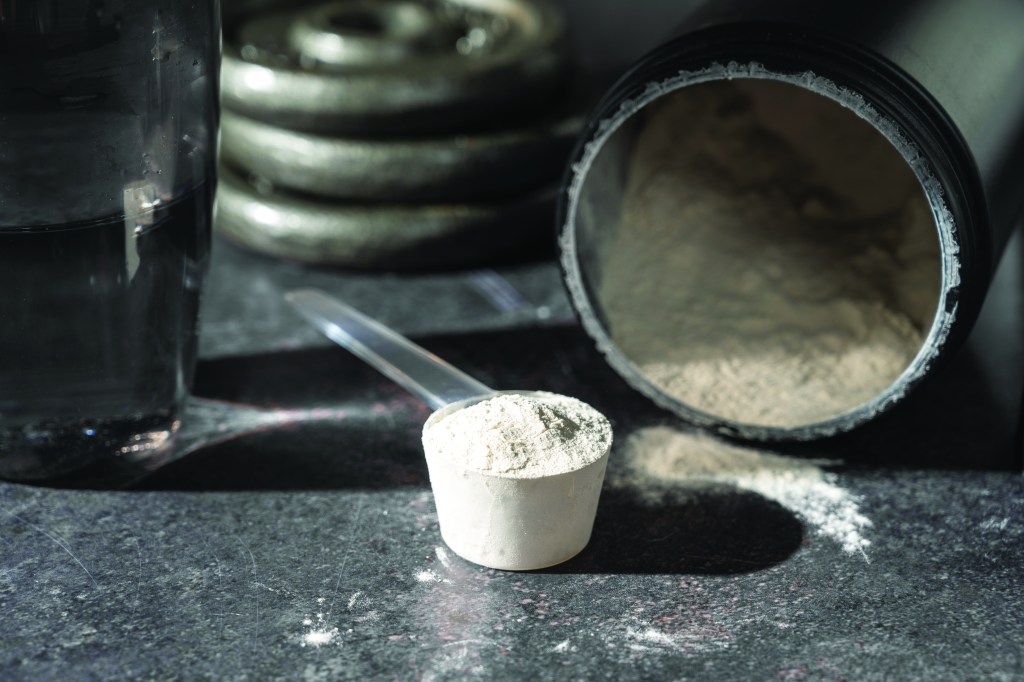
Unlike many hyped supplements, creatine is remarkably safe. It’s been studied for decades with no consistent evidence of harm in healthy adults. It doesn’t damage kidneys, as was once feared and it doesn’t require “cycling” like more aggressive performance aids. For most people, a steady 3-5g a day is enough to saturate muscle and brain stores.
Some people do experience mild side effects at first – the most common being bloating or temporary water retention, particularly if you’re taking high doses. These effects however are generally short-lived and can often be avoided by sticking to smaller daily amounts rather than doing aggressive “loading phases” – often common in athletes for short term maximum impact.
What should you take and how should you take it?
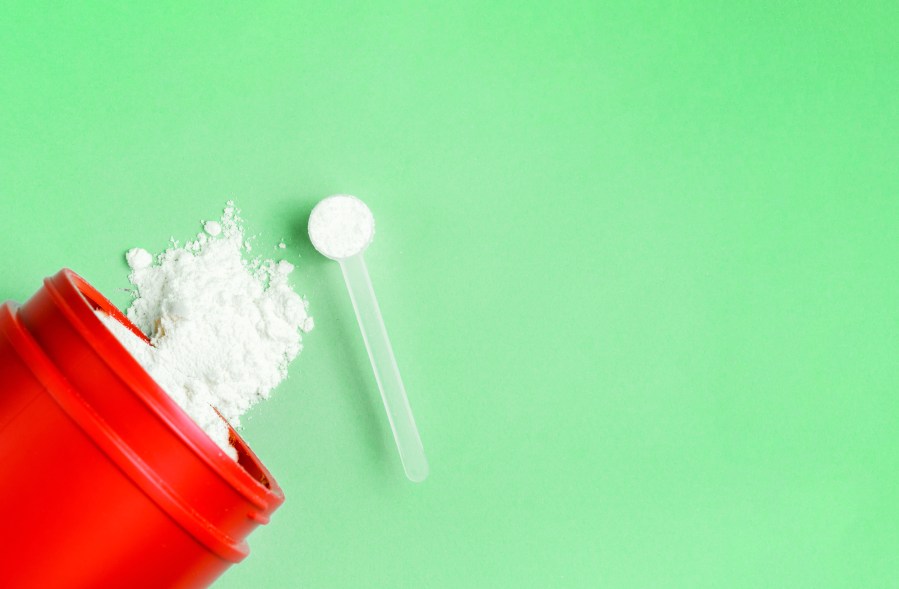
If creatine is something you decide you want to take, experts tend to recommend creatine monohydrate. It’s the version used in the vast majority of studies, it’s inexpensive and there’s not much evidence that newer, trendier forms (like ones that claim to reduce bloating) offer any meaningful advantage. A simple daily dose of 3-5g mixed into water, a smoothie or a protein shake is usually enough.You can also now take it in other forms such as gummies if you find that fits better into your lifestyle.
Timing matters less than consistency. While some people prefer taking creatine after exercise alongside protein and carbohydrates to support absorption, the bigger priority is simply taking it regularly so your muscles and brain maintain saturated stores over time.
It’s also worth remembering that creatine is not a quick fix. Unlike caffeine, you won’t necessarily feel an immediate effect after one serving. Benefits tend to build gradually over several weeks as creatine accumulates in the body. For people using it to support training, recovery or cognitive performance, patience and consistency appear to matter far more than complicated dosing strategies.
The verdict?
So why isn’t everyone taking it? “Creatine still carries an outdated reputation as a ‘gym bro’ supplement,” says Rhian Stephenson, nutritional therapist, naturopath and founder of ARTAH. “But the research and the audience has moved on, from athletes chasing marginal gains to students prepping for exams, to older adults wanting to preserve strength and cognitive resilience.”
So, is creatine worth the hype? For muscle performance, the answer is a resounding yes, it’s one of the few supplements that consistently delivers measurable results. For mental performance, the story is still unfolding, but the early evidence is encouraging.
In a wellness world, crowded with supplements and claims, creatine stands out as simple, safe, inexpensive, tasteless and backed by some of the strongest science we have.
It appears to quite unusually be the best of both worlds; popular enough to be mainstream, yet still supported by decades of serious research rather than marketing alone. This may just be one of those rare times when the reality truly lives up to the hype.