
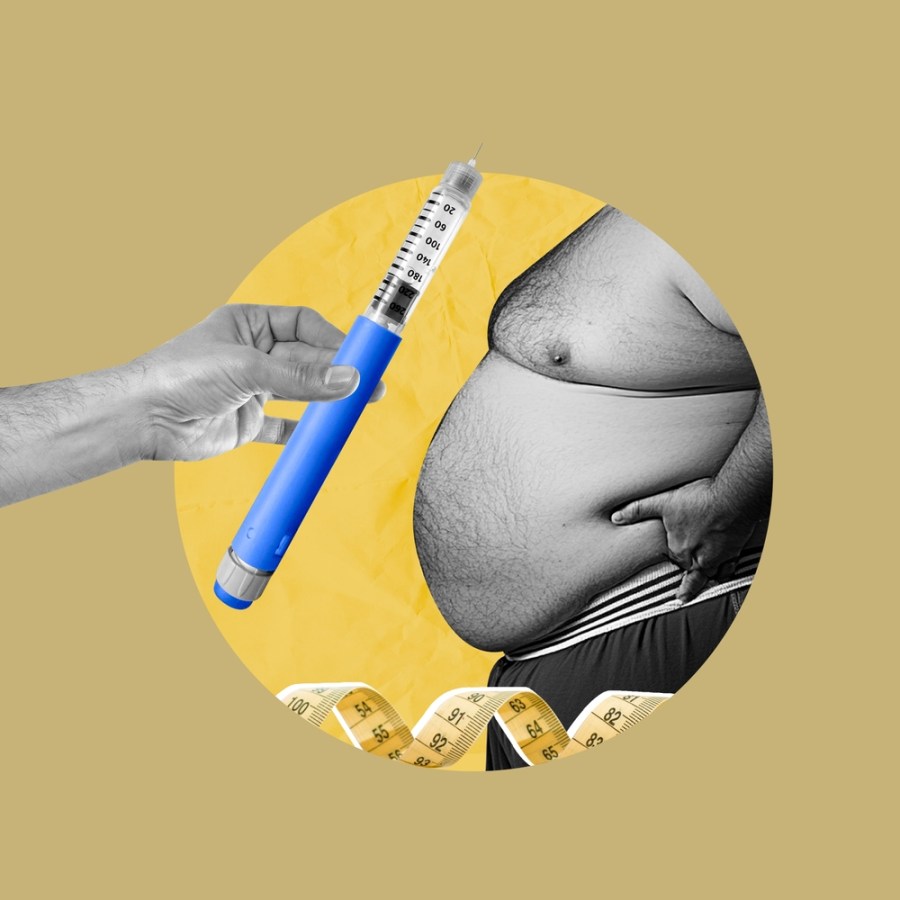
GLP-1 medications are transforming the lives of overweight patients, but experts warn they’re not the magic bullet many hope for
PICS: Shutterstock
The Gila monster is a fearsome beast. A highly venomous lizard with razor-sharp teeth, it lurks in the deserts of southwestern United States. Those unlucky enough to have been bitten describe it as one of the most painful experiences ever suffered, “like hot lava coursing through your veins”. For humans, death is rare but not unknown.
Yet it’s thanks in no small part to the Gila monster that millions of obese people all over the world have lost substantial amounts of weight. Within the lizard’s saliva is a protein used in the original development of weight-loss drugs known as GLP-1s, or Glucagon-like peptide-1 receptor agonists, to use the full name.
GLP-1s include anti-diabetic medications such as semaglutide, liraglutide and tirzepatide, marketed under the brand names Mounjaro, Ozempic, Wegovy and Saxenda. Up to 1.5 million overweight people in the UK alone have used them – an estimated 437,000 of these men, mostly middle-aged.
The effects have been staggering, with patients suppressing their appetite, reducing their calorie intake by up to 39 per cent, and losing between 10 and 15 per cent of their bodyweight on average; sometimes considerably more.
Dr Linia Patel is a dietitian and nutritionist, and author of new book Life After Weight-loss Medication. “GLP-1 medications are a game changer,” she says. “There’s no denying that. In fact, GLP-1 medications are the most effective pharmaceutical weight-loss tools we’ve ever had. Compared to traditional lifestyle interventions, these drugs offer exponentially greater outcomes.”
GLP-1 is a naturally occurring hormone in the human body, secreted by cells in the small intestine and colon, and in parts of the brainstem. “Every time you eat – especially when you eat foods rich in protein, fibre and healthy plant-based fats – your body’s own GLP-1 levels rise,” Dr Patel explains in her book.
“About ten to 15 minutes after a meal, your circulating, internally generated GLP-1 can increase by two to four times its baseline level. And though it’s only released in small amounts, that spike is powerful. It slows how quickly food leaves your stomach (so you feel fuller for longer), signals your pancreas to release insulin to manage blood sugar and tells your brain, ‘Hey – you’ve had enough. Stop eating.”
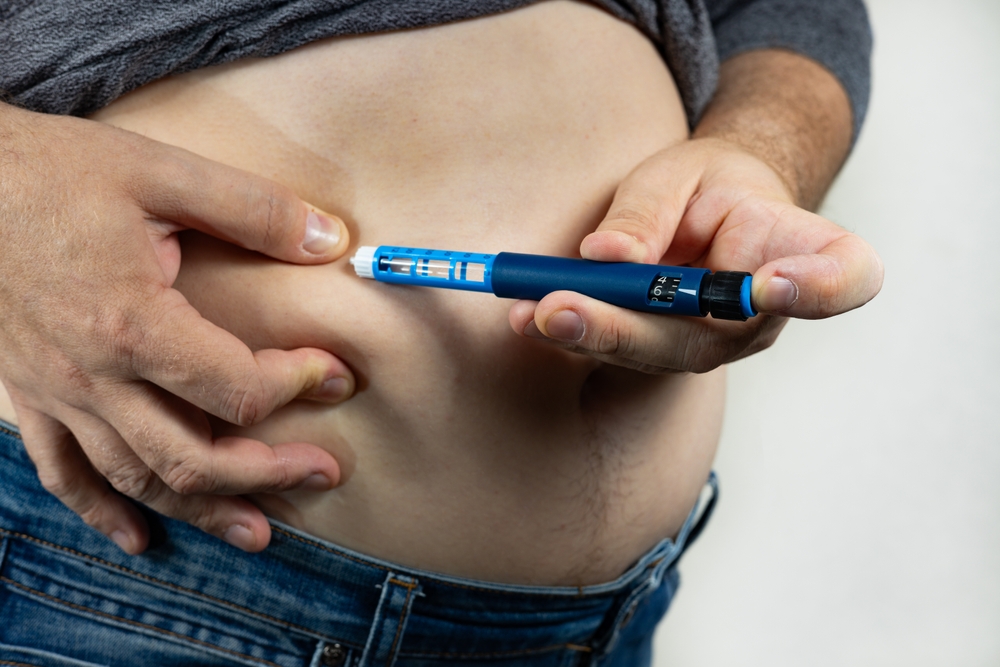
The problem is that naturally occurring GLP-1 doesn’t work for all of us as it should. In obese or pre-diabetic people, the physiological GLP-1 responses can be impaired due to factors such as gut health, circadian rhythms, stress, genetics and lifestyle. “For many, it can feel harder – sometimes impossibly hard – to recognise when they’re full,” Dr Patel adds. “That quiet internal signal of satiety gets lost in the noise.”
It’s for people like this that weight-loss drugs have been so effective. GLP-1 receptor agonists mimic the actions of our naturally occurring GLP-1, but with one key difference: they are resistant to the enzyme that normally breaks down natural GLP-1 so that they last far longer.
“Your body’s own GLP-1 has a half-life of about one-and-a-half to two minutes,” Dr Patel adds. “It does its job and then disappears fast. But GLP-1 agonists stick around. Liraglutide lasts about 13 hours, and semaglutide lasts up to a week.”
Richard Tucker is one of thousands of British men who have benefitted from these medications. A 50-year-old infrastructure manager from Maidenhead, in Berkshire, he weighed 19 stone 4lbs (122kgs) and had a body mass index of 31.5 per cent when he started injecting Mounjaro in October 2025 – which placed him in the obese category. Eight months later he weighed 15 stone 9lbs (99kgs), with a body mass index of 27.8 per cent.
He plans to continue using the drugs, which he buys through prescription at Boots, until his weight is down to 15 stone (95kgs). A recent report from University College London found that Mounjaro is by far the most popular weight-loss drug in the UK, taken by four out of five patients.
“The results are amazing,” Tucker says. “My appetite was completely suppressed. After one week of injections I had lost 9lbs (4kgs).”
Tucker admits he used to snack between meals on junk food. “That was all suppressed with Mounjaro,” he stresses. “I’d be upstairs, working at my desk, and I’d forget to eat until the evening.”
It’s important to state that the side effects of GLP-1 drugs can be debilitating for some, causing nausea, constipation, diarrhoea, bloating, indigestion and hair thinning in certain patients.
Symptoms are usually mild to moderate and often improve as the body adapts to the medication, but for some individuals they can be severe. In very rare cases, there have been reports of pancreatitis, gallbladder disease, kidney stones and temporary vision loss.
Medical trials on rats found higher rates of medullary thyroid and pancreatic cancer so that the United States Food and Drug Administration now requires drug packaging to carry warnings to this effect.
Like most patients, Tucker avoided the worst of these side-effects. “It felt like I had just a bit of a stomach bug every once in a while,” he explains. “It wasn’t too serious for me.”
As well as losing the weight, he has noticed a massive boost in his confidence and body image. “I was unhappy with my weight, unhappy with the way I looked and felt. Just walking, my knees would hurt and I’d be out of breath. But now I’ve lost so much weight, the clothes literally fall off me.” He has now started going to the gym once a week.
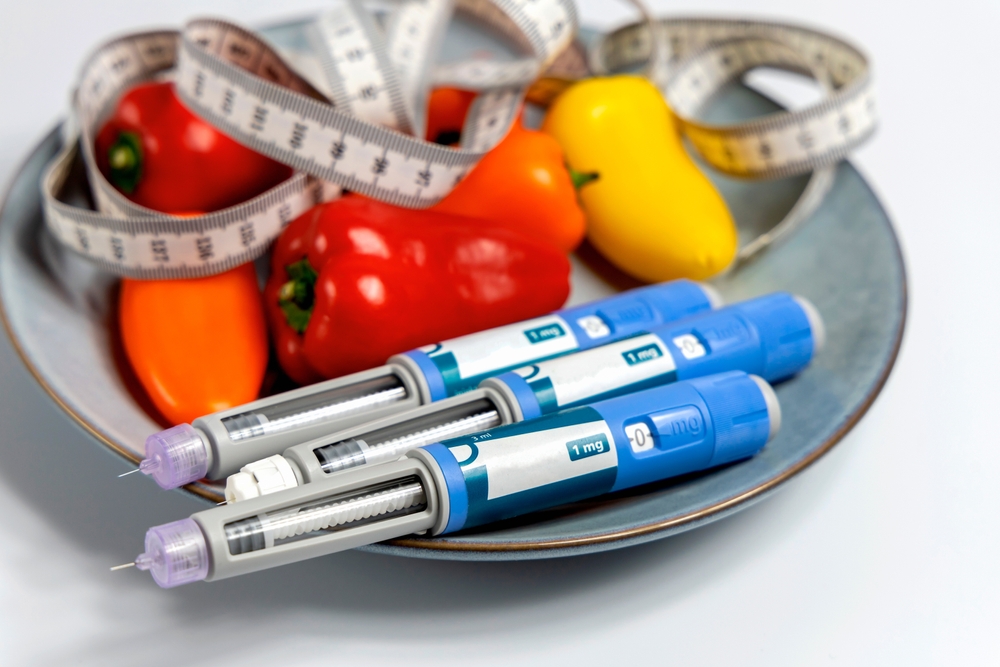
Married with two teenage sons, Tucker believes that, with enough time and effort, he could have lost all that weight through more exercise and a better diet, without resorting to Mounjaro. “But it’s a lifestyle change, isn’t it,” he adds. “And it requires a way higher investment in time.”
He worries that when he stops injecting he will immediately put the weight back on. His plan is to wean himself off the drug slowly while increasing his exercise and adopting a stricter diet. Should his weight creep back up into the obese category, he might re-start with the injections.
This is where Dr Linia Patel’s advice is so useful. In her book she advises those coming off GLP-1s to assess other lifestyle habits such as diet, exercise, stress and sleep. “There is no magic bullet,” she says of these wonder drugs. “This is just one piece of the puzzle. How you live will leverage the effectiveness of these drugs. Lifestyle is always going to be an important part of the solution.”
A healthy diet is of course vital, especially as GLP-1s cause both fat and muscle to deplete. “Spread protein evenly, diversify your plant foods, use wholegrains and legumes for fibre,” Dr Patel says, stressing how high-fibre, low-calorie, unrefined foods such as oats, vegetables and fruit will fill you up without adding excess calories.
She warns against ultra-processed foods which are “linked with overeating, weight gain and chronic disease”. And she champions gut health. “Feed your gut with fibre, plant diversity, resistant starch and fermented foods, while minimising sugar, artificial sweeteners, alcohol and ultra-processed foods,” she adds.
Her advice on exercise is as you would expect: a mixture of cardiovascular and strength training. Just as important are sleep (“the biological baseline for sustainable weight control”) and stress control.
Dr Patel is based in London and also works in Italy as a public researcher at the University of Milan. While she views GLP-1s as “powerful and transformative”, she fears many patients will misuse them for short-term quick fixes, rather than as a springboard to a healthier lifestyle.
“I worry that yo-yo dieting is going to reach a new level of extremity,” she warns. “So, people are going to be using these drugs in order to fit into their nice speedos or their swimsuits for the summer. Or they’ll say: ‘I’ll eat whatever I want over Christmas and then, in January, I’ll take these drugs to lose weight’.”
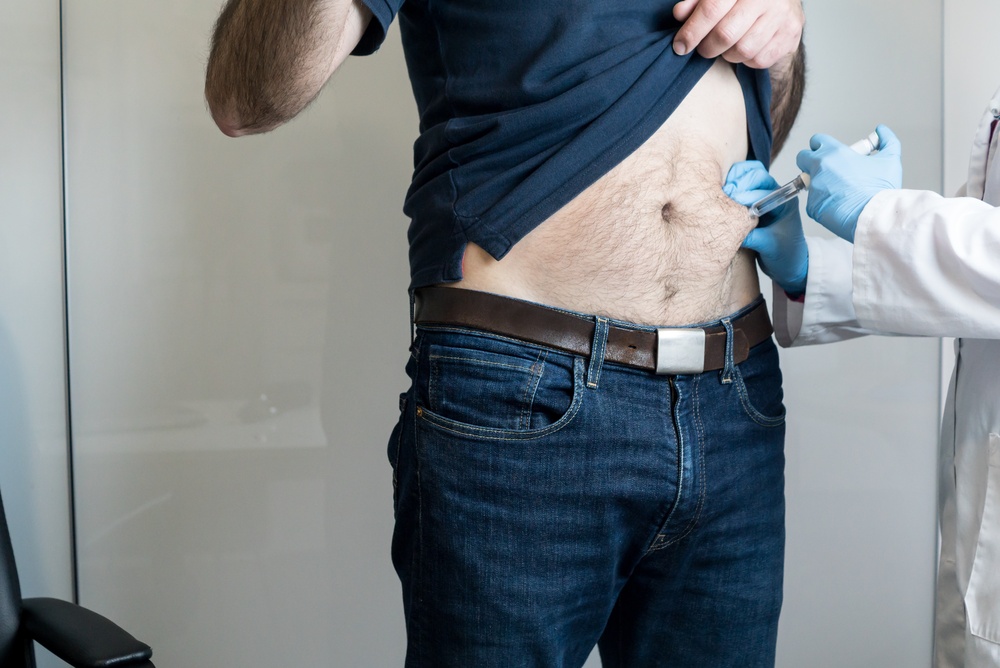
More worryingly, there’s evidence many patients are taking these drugs without proper prescriptions. A University College London study published in January this year analysed the use of GLP-1s in detail. “There are concerns about GLP-1 medications being purchased without a prescription through unregulated or illicit channels, with very light medical supervision,” the authors warned. They were also worried patients who weren’t actually obese were using them to slim down.
As with any revolutionary new drug, no one can possibly know what the long-term effects might be. Jo Harby is director of health information at Cancer Research UK, which funded the UCL study. She warned: “More research is needed on their long-term impact, how these drugs affect cancer risk, and how best to support people to maintain a healthy weight. These drugs should only be prescribed by healthcare professionals alongside continued care and advice on diet and activity.”
All of which leads to one crucial question: if you can lose weight naturally through strict diet and more exercise, surely that’s far better than resorting to drugs?
Dr Patel isn’t sure. “Yes and no,” she tells Men’s Fitness. “I wish I could give you a clear-cut answer. If you’ve just gone through a divorce, for example, and you’re struggling with a lot on your plate, you may find your weight is adding to that level of stress. You may need something just to give you a helping hand. As long as you use it responsibly, then maybe that’s the right path for you. But you have to remember it’s not a magic bullet.”
Magic it may not be. However, very soon, this bullet will be faster and far more accurate in hitting its target. In May, trials of the next generation in GLP-1 drugs – a medication called retatrutide – saw patients losing an average of 28 per cent of their body weight after 20 months; far more than the drugs currently on the market, and on a par with patients who have undergone gastric bypass surgery.
Crucially, retatrutide both suppresses appetite and increases energy expenditure, targeting fat while seeming to protect lean muscle mass. Manufactured by US company Eli Lilly, it hasn’t yet been approved for medical use. Regrettably, some reckless people are already buying it off the black market. There are even stories of online influencers selling “reta”, as they call it, illegally and of body-builders injecting it directly into their muscles.
“Anyone purporting to sell retatrutide for human use is breaking the law,” Eli Lilly recently warned. “No one should consider taking anything claiming to be retatrutide outside of a Lilly-sponsored clinical trial.”
Wise advice indeed. Buying unregulated weight-loss drugs online is about as clever as allowing yourself to be bitten by that venomous Gila monster.
• Dr Linia Patel is a dietitian and nutritionist, and author of new book Life After Weight-loss Medication (Murdoch Books).