

What supplements can you take to prevent a cold – and what should you do if you get one? We asked an expert
Words: Megan Graye
There’s no time like the winter months… to catch a cold! But is there anything you can do to help protect yourself and your family against those nasty bugs? We spoke to a nutritionist to find out what supplements you can take to stave off the colds this winter.
Generally speaking, what vitamins can I take to help prevent a cold?
It’s important to note that while vitamins and supplements can support the immune system, they should only be considered as an added extra; they’re not a swap in for poor nutrition and lifestyle. Vitamin deficiencies also vary from person to person and the best way to find out exactly what you need is through a blood test.
“Supplements help with seasonal support and filling in the gaps,” explains nutritionist and Wellness Clinic business owner, Saima Malik. She’s had over 10 years’ experience in healthcare and nutrition with a range of different clients including athletes. “They don’t replace the foundations which are proper sleep, protein and micronutrient rich diets, consistent training load, stress management, and hydration.”
Vitamin D
Vitamin D is perhaps the most essential supplement for the cold season, as it comes from the light we get from the sun – which is often lacking in the winter – especially in the UK! “As a nutritionist I recommend supplementing with vitamin D during the darker months,” says Malik.
She suggests around 9mcg for men and around 7mcg for women, but this can vary from person to person – some people need lower or higher amounts (around 10mcg), but a blood test can help you determine exactly how much you need.
Probiotics
You might not know this, but probiotics can really help strengthen your immune system. “The gut microbiome covers around 70% of the whole immune system, so keeping that healthy is very important,” says Malik. “If the microbiome is off balance, the immune system will be overactive because there’s more inflammation and also underactive because there’s more infections, so it’s about getting it right.”
“Some strains of probiotics can reduce respiratory infections as well, so that can be beneficial, especially during these cold months.” She recommends probiotics containing some strains of Lactobacillus in particular for immune support.
Vitamin C
“Vitamin C may help reduce the onset of a cold,” says Malik who recommends around 40mg per day. However, she points out that Vitamin C is something that you can get through a varied diet without needing a supplement. “Lots of different fruits and vegetables contain it, so it’s not something that is usually needed unless you have an allergy or an intolerance to those things.”
What can I take if I get a cold?
Zinc
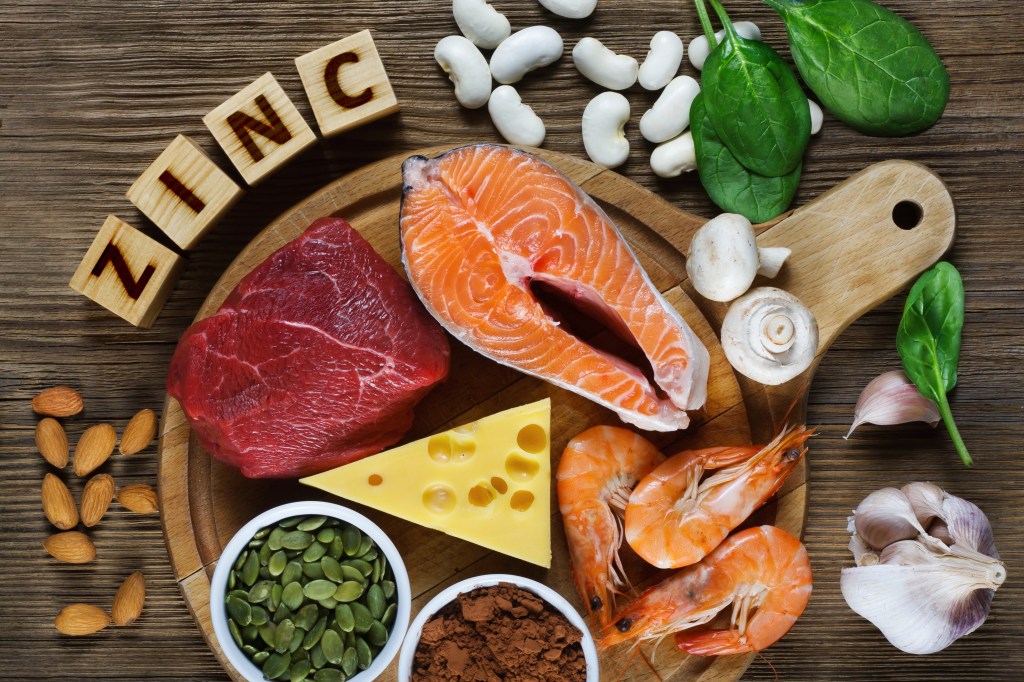
“For someone who might be feeling like they’re getting a cold, Zinc may help reduce it developing,” suggests Malik who explains that it supports immune function. She recommends a daily dose of around 9.5 mg per day for men, and 7 mg for women, but suggests upping it slightly for that period of sickness if you feel symptoms coming on.
Note: Please check with your doctor before taking zinc as it can interact with other medications and cause a knock on effect of iron absorption.
Magnesium
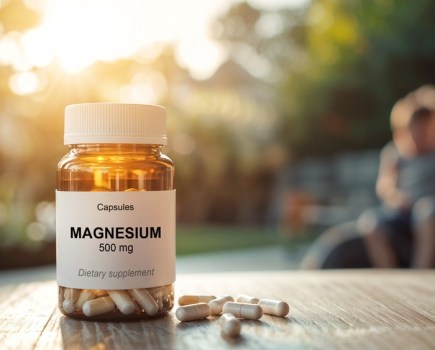
Magnesium can help with supporting the immune system and improving sleep. “Sleep has a big impact so if you’ve got a better sleep, then you’ve got a stronger immune response as well,” says Malik. “Magnesium really helps with this as well as muscle tension and relaxing the nervous system so it’s sort of that knock-on effect.”
There’s a whole range of magnesium on the market, but Malik suggests a general form of magnesium to “target different things like sleep, stress, anxiety and muscle supplementation”.
Vitamin C
If you’re not already taking the supplement, Malik suggests adding Vitamin C into your diet. “It’s good for supporting immune cell function, so it may help reduce the cold duration, (similarly to zinc), so it may again shorten a cold if taken earlier.”
What foods can I eat to help stave off a cold?
Although vitamins can help to support the immune function, they shouldn’t be solely relied upon for a balanced diet. There are many foods that you can get vital nutrients from. Malik recommends Vitamin C rich foods like citrus, dark green leafy vegetables.
“Things like carrots, sweet potatoes can be good as well as anti-inflammatory foods like ginger, garlic, and berries too. Staying thoroughly hydrated also helps because hydration can also lessen the risk of a lowered immune system.” For probiotic purposes, she also recommends fermented foods such as yogurt and kefir.