
ADHD isn’t a flaw to fix but a mindset to harness – one that, with the right structure and movement, can drive focus, resilience and elite performance
For years, ADHD was framed as a flaw – distraction, impulsivity, inconsistency. In high-pressure careers and elite sport, those traits were often misunderstood, masked or medicated away without deeper reflection.
But a more nuanced conversation is emerging. Coaches, athletes and clinicians are beginning to recognise that ADHD isn’t simply a deficit of attention. It’s a different attentional style – one that can create both volatility and brilliance.
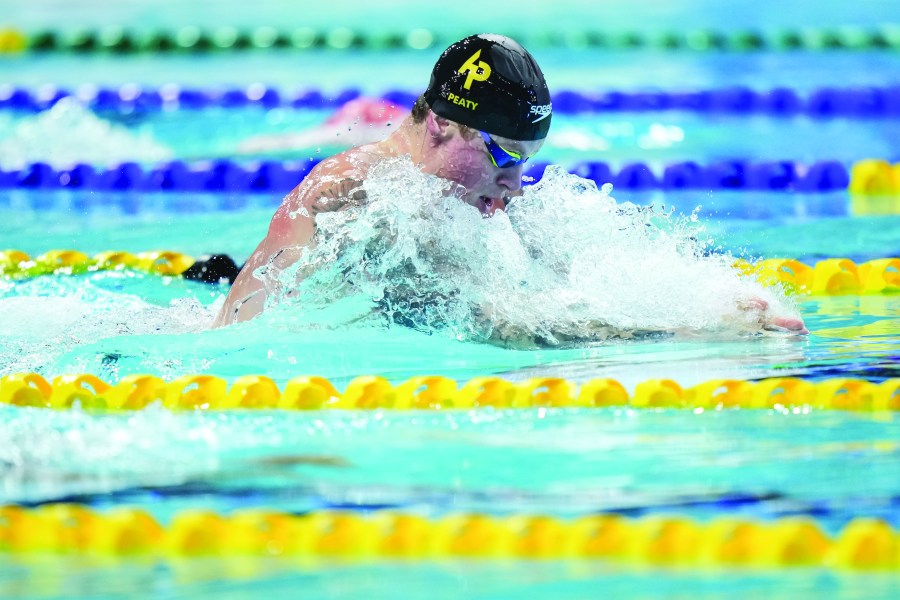
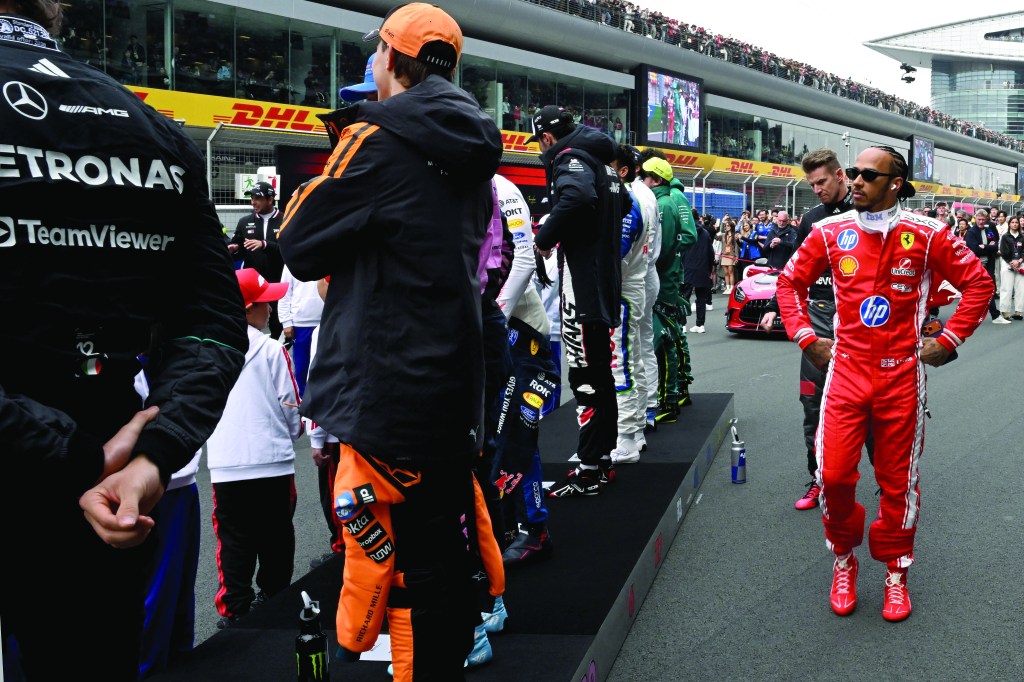
In recent years the likes of Adam Peaty and Lewis Hamilton have spoken openly about living with ADHD, while competitors such as Sam Holness – the first openly autistic athlete to race the Ironman World Championship – and Paralympic champion Jordan Catchpole highlight the growing visibility of neurodivergent athletes in elite sport.
Performance coach Sam Neame sees that duality daily. He works with Olympians, senior executives and elite professionals who need to deliver repeatedly under pressure. Many, formally diagnosed or not, display strong ADHD traits: restless energy, high drive, rapid idea generation and the capacity for intense hyperfocus – alongside periods of overwhelm, sleep disruption and mental noise.

“I’ve always had huge energy,” Neame says. “From a young age I was like a Duracell battery. The only thing that ever truly regulated me was sport.” As a teenager, training in a garage gym gave him structure. Later, competing in tennis reinforced that sense of rhythm and control. But when he transitioned into finance, the movement disappeared. Artificial light replaced daylight. Deadlines replaced physical exertion.
“I became a shell of myself – pale, flat, struggling for clarity. I’d step onto the balcony just to get natural light and some relief.” An ADHD diagnosis didn’t change who he was, but it explained the pattern. “Movement is my medication,” he says. “A run can solve a thousand problems. Clarity returns. Emotions organise.”
Biologically, the ADHD brain is often associated with lower baseline dopamine – the neurotransmitter tied to motivation and reward. Modern life offers an abundance of quick spikes: social media, email refreshes, ultra-processed food, gambling-style apps.
The problem is the crash that follows. “Instant dopamine is everywhere,” says Neame. “But the crash is brutal. Earned dopamine – from training hard, pushing yourself, finishing something difficult – is stabilising. It lasts.”
Exercise doesn’t just build muscle. It increases blood flow to the brain and improves executive functioning – planning, emotional control, cognitive clarity. For men who describe their minds as foggy or chaotic, movement can feel like turning the lights on. That’s why Neame’s daily routine is deliberately simple. He starts with natural light exposure and no phone. “The first 30 minutes of your morning set your nervous system,” he says. “If you scroll first thing, that’s what your brain will crave all day.”
He follows with strength training and often a fast run. “You don’t need an hour,” he says. “Ten minutes of intentional effort works if you hit the big muscle groups. Fatigue the legs, back and chest. That’s where the return is.”
For neurodivergent men and women that clarity matters. Many struggle less with ability and more with inconsistency. They can perform at a world-class level one day and feel paralysed the next. Stability – not intensity – becomes the foundation. ADHD and sleep disturbance also frequently travel together.
Racing thoughts, late-night stimulation and irregular routines amplify impulsivity and emotional reactivity the following day. “Sleep was a turning point for me,” says Neame who now seeks consistency over perfection when it comes to getting some shut-eye. His bedroom is dark and cool. His phone stays outside. He wakes at the same time daily, even if bedtime shifts slightly. Before sleep, he uses slow breathing to calm his nervous system. Supplements such as magnesium can help, but behavioural consistency matters more.
For his clients – many of whom travel constantly – he focuses on environmental cues. Devices charge away from the bed. Notes on mirrors ask simple questions: Is your phone off? Have you stretched? He sometimes recommends an app that pauses social media for ten seconds before opening, forcing a moment of reflection.
Motivation, another sticking point for ADHD men, is frequently misunderstood. They are not incapable of motivation; they are highly sensitive to interest and reward. When engaged, they can outwork almost anyone. When bored, even simple tasks feel insurmountable.
“People wait to feel motivated,” says Neame. “That’s backwards. You act, then motivation follows.” Reducing friction becomes crucial. Lay out your gym kit the night before. Protect your mornings from distraction. Make the desired behaviour easier than the alternative. The win is often in the first five minutes.
Strength training also carries a longer-term message. From the mid-thirties onward, men lose muscle mass and bone density unless they deliberately train against it. For individuals who may oscillate between all-in intensity and inactivity, consistency becomes protective. “Deadlifts and carries teach your body it can handle stress,” says Neame. “They reinforce resilience physically and mentally.”
What neurodiversity brings to sport
While the benefits exercise may bring to managing neurodiverse conditions gain more traction, so does the flip side. Unfortunate cliches around ‘superpowers’ are distracting from serious conversations about the positive impact neurodiverse athletes are having in sport. A conversation which former Olympic rower Caragh McMurtry had first-hand experience of.
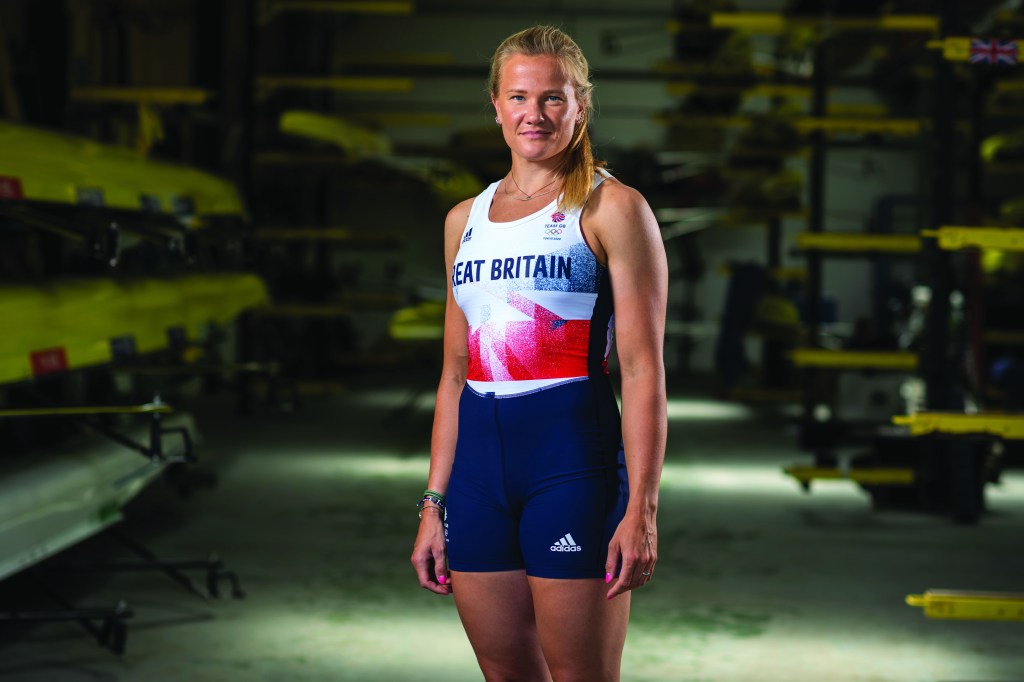
McMurtry co-founded Neurodiverse Sport CIC in 2022 with elite cyclist Mikey Mottram to make sport more inclusive for neurodivergent people. Along with neurodivergent ambassadors including Great Britain and England basketball star Kofi Josephs, Caragh and Mottram aim to transform the sports sector into a place where neurodivergent individuals, at every level, can engage, compete and thrive with confidence.
Following a late autism diagnosis and earlier misdiagnoses, McMurtry now advocates against one-size-fits-all approaches and challenges misconceptions around neurodiversity. “I always knew I had a lot of traits,” she says. “But I didn’t understand them. When you don’t understand your neurodivergent traits, you’re trying to function in a way that isn’t aligned with who you are. You can hold it together for a while – and then you crash.”
That boom-and-bust cycle is common among high-achievers with ADHD traits. They can grind, hyperfocus and outperform. But without regulation and recovery, the system eventually overloads.
McMurtry describes neurodivergence as a “spiky profile”. You might struggle with planning, organisation or emotional regulation – all aspects of executive functioning – yet show exceptional strengths in other domains: pattern recognition, creativity, risk tolerance or monotropic focus, the ability to lock onto one task with rare intensity.
“In elite sport those strengths can be extraordinary,” she says. “But if the environment constantly challenges someone in the areas where they struggle, you’ll never see those strengths.” That insight stretches far beyond Olympic rowing. Open-plan offices, endless notifications, artificial lighting and constant digital stimulation are draining for most people. For someone with ADHD wiring, they can be profoundly destabilising.
It’s an opinion that’s echoed by Kofi Josephs, a professional basketball player with traits of ADHD. “I think sport, particularly at the elite level, still over-indexes on the physical side of performance and underestimates the importance of understanding the person behind the athlete.”
“There’s a strong focus on discipline, structure and output, but very little emphasis on how individuals actually experience the world, especially if they’re neurodivergent,” insists Josephs. “The reality is, the athlete is an extension of the person, not the other way around.”
Josephs, Carragh and a number of current and former athletes are campaigning to raise awareness and encourage clubs, coaches and National Governing Bodies to create more inclusive environments within their sports. “The biggest shift I’d like to see is the introduction of more structured, proactive approaches to understanding athletes beyond their physical output,” says Josephs. “That starts with better screening and regular check-ins that go deeper than surface-level wellbeing. Not as a reactive measure when something goes wrong, but as part of the everyday performance environment.”
“Every athlete processes information, pressure and feedback differently, and that becomes even more important when working with neurodivergent individuals. Ultimately, inclusion isn’t just about awareness, it’s about adapting environments so individuals can operate at their best, rather than expecting everyone to fit into the same system.”
The broader message from Neame, McMurty and Josephs is neither romantic nor defeatist. “It’s not about calling neurodivergence a “superpower” in a trite way,” says McMurtry. “It’s about recognising that these are specialised brains. When supported appropriately, they can be exceptional.”
• To find out more about performance coach Sam Neame, click here