
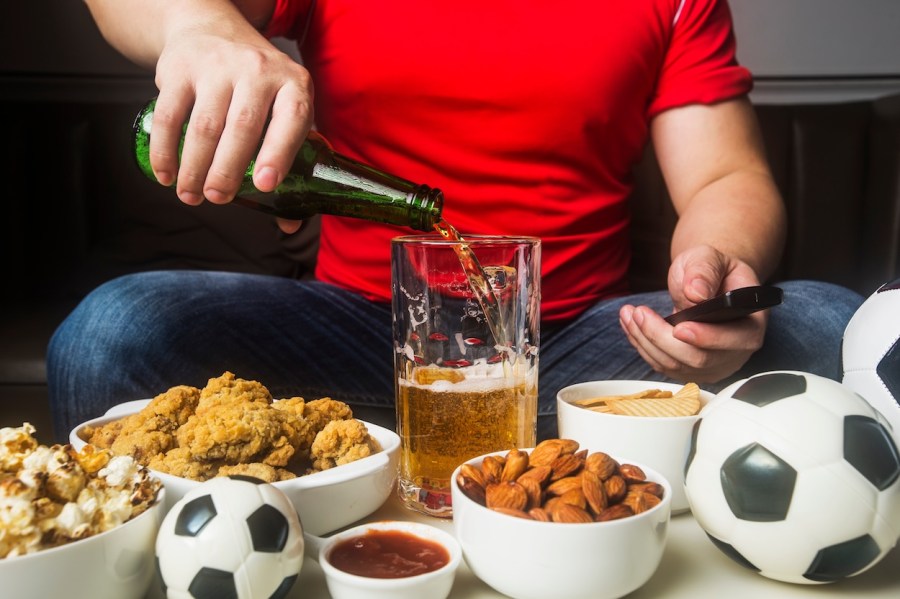
Doctors are warning that weeks of drinking, takeaways and poor sleep during the World Cup could have big health implications – affecting men’s energy, mood and sex drive. However much you’re hitting the kettlebells during the tournament, they warn, bad eating, drinking and sleeping habits will take their toll.
With Brits expected to down 58.5 million pints of beer and cider during the six-week competition, men could be setting themselves up for a health ‘own goal’, according to doctors at UK clinic H3 Health.
Don’t score a World Cup own goal
As fans enjoy the marquee tournament, the team at H3 are encouraging male football fans to beware the amount of alcohol they drink while watching matches. Throw in extra takeaways, late night snacking and lack of sleep due to timings of the games in America and the combination can have a major impact on stress levels, blood pressure, weight gain and even affect testosterone production. Just one week of sleeping five hours a night can reduce testosterone by up to 15 per cent.
Dr Alex Vass, of H3 Health, said: “In the UK, binge drinking is considered more than eight units in a single session for men, which is roughly four pints of stronger strength lager.
“Alcohol can disrupt the body’s hormone signals, disrupt sleep and hit energy levels, sex drive and performance.
“This raises the stress hormone cortisol, which can inhibit testosterone production and worsen sleep, which is when much of the production of testosterone takes place.”
Check your calorie consumption
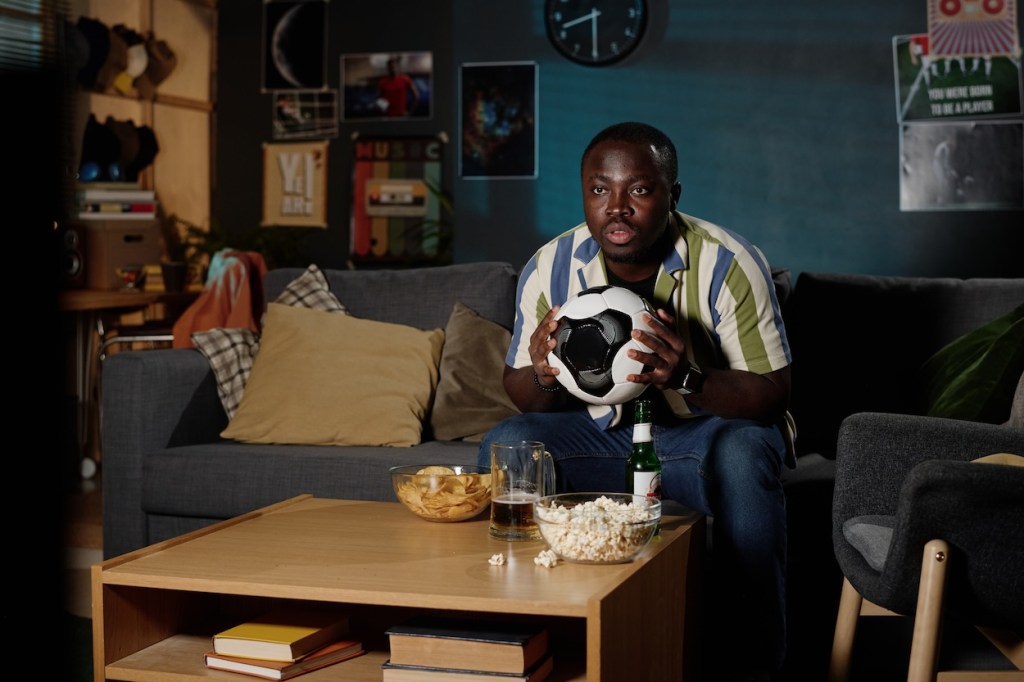
It’s not just the immediate effect of alcohol that men need to look out for, it’s also the extra calories. Dr Vass said: “Alcohol is very calorific – you’re consuming around 200 to 300 calories per pint – and those extra drinks will add up quickly over the course of six weeks.
“Plus, with matches kicking off late in the UK, that’s when the snacks and takeaways are likely to come out – it’s a perfect storm for men’s health.
“Most of these foods are high in salt, fat and calories, which is a combination that contributes to weight gain and an increase in blood pressure.
“While a single heavy night isn’t a concern, weeks of drinking, poor sleep and high-calorie food can gradually impact weight, energy and hormone levels.”
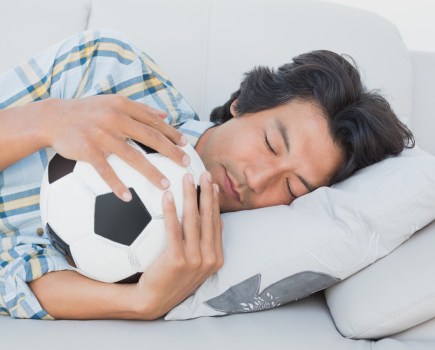
Don’t lose sleep
Quality sleep is vital for testosterone production, which is concentrated in the deeper and rapid eye movement (REM) stages of sleep.
Research has found just one week of five hours’ sleep per night can reduce testosterone levels by 10 to 15 per cent in otherwise healthy men.
The World Cup, with its late kick-offs, back-to-back matches and post-match celebrations, can easily create that pattern over several weeks.
“Poor sleep affects concentration, mood, appetite, stress levels and exercise recovery quickly and sometimes dramatically. It also plays a central role in hormone regulation, including testosterone production,” said Dr Vass.
“It is one of the most common reasons I see men feeling tired, unmotivated and below par.”
While the England squad will be aiming for peak performance, H3 Health is advising men to look after themselves by listening to their bodies, slowing down their drinking and going easy on the takeaways.
Recovery time increases with age
Dr Vass added: “The World Cup should be enjoyable and no one needs to avoid alcohol or takeaways completely to stay healthy. But if you find keeping up old habits is getting harder with every tournament, it’s because the margins are narrower.
“From our mid-thirties onwards, testosterone gradually declines by around one to two per cent per year.
“At the same time, sleep becomes less forgiving, alcohol takes longer to recover from and the body is generally less resilient to lifestyle disruption than it was in your twenties – the same tournament that felt manageable at 28 can feel very different at 48!
“But, if you finish it feeling persistently exhausted, flat or unlike yourself, it’s worth asking whether the tournament has exposed borderline testosterone levels or an underlying health issue, rather than just blaming age or stress.
“If you don’t bounce back once normal routines return, it’s worth speaking to a doctor and having your testosterone checked.”
Follow these health tips to stay match fit:
Alcohol
- Drink, but pace yourself – alternate with water or go low/no-alcohol
- Plan a few alcohol-free match nights to avoid burnout
Sleep
- Not every game is worth the late night – pick the matches that matter
- Protect your sleep: skip some, recover on others and get some early nights
Food
- Don’t rely on takeaways – have healthier snacks ready and easily available
- If it’s within reach, you will eat it: stock fruit, nuts and better options
Hydration
- Beer + salty snacks + late nights = dehydration
- Drink water between pints and before bed – it makes a real difference
Stress and mood
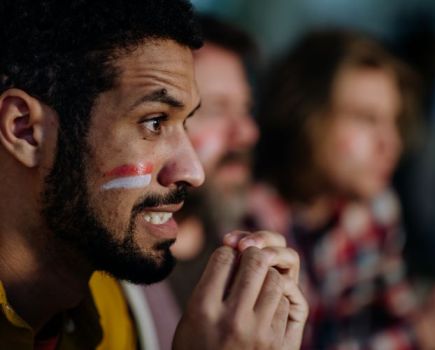
- Football highs quickly turn into stress, especially in big moments
- If you are already prone to stress or low mood, it can amplify it
- Feeling more irritable than usual? Don’t ignore it
- Stick to basics: sleep well, stay active, drink less, keep routine
While England fans hope for a winning run, doctors say it may be worth thinking twice before making every match an excuse for another pint, especially if you want to feel the same way by the final.
Dr Alex Vass is a UK-trained GP (University College London) with more than 20 years’ experience across NHS and private practice in the UK and overseas. He currently works as a private GP at H3 Health, a men’s health and online clinic, alongside regular NHS urgent care work.