


From social media hacks to influencer blood tests, testosterone anxiety is booming – but experts warn many men are being sold a problem they don’t have. Here’s how to tell if your ‘low T’ is real from a men’s health doctor
With an increasing awareness of the causes and effects of low testosterone, more and more people have been talking about TRT (Testosterone Replacement Therapy). This has of course meant a subsequent rise in TRT clinics – but some are more legitimate than others.
Not only that, but there’s also various claims of sometimes unsafe ways to ‘up your T’ on the internet – making it all a bit of a minefield.
“You need to be speaking to somebody that knows what they’re talking about, not a salesperson that wants to sell you testosterone.” That’s what the Medical Director of The Men’s Health Clinic, Dr Stevens says.
He specialises in diagnosing testosterone deficiency and treating men with TRT – but crucially, only if it’s clinically needed. Unfortunately though, that is not always the case when it comes to some of the marketing online. Some companies are playing into men’s insecurities and concerns about masculinity to sell their drugs.
“It’s a misunderstood hormone,” says Stephens on testosterone. “It’s got that negative association with performance enhancement and heightened alphaness and that’s utter nonsense,” he says. Stevens explains that instead, TRT is something that should only be given after exploring all other natural options first.
“We’re not trying to get you to a high level – because as much as men sometimes want to be high – they do not do well that way,” says Stevens. “And actually paradoxically, normal is normal.”
Firstly, what actually is TRT?
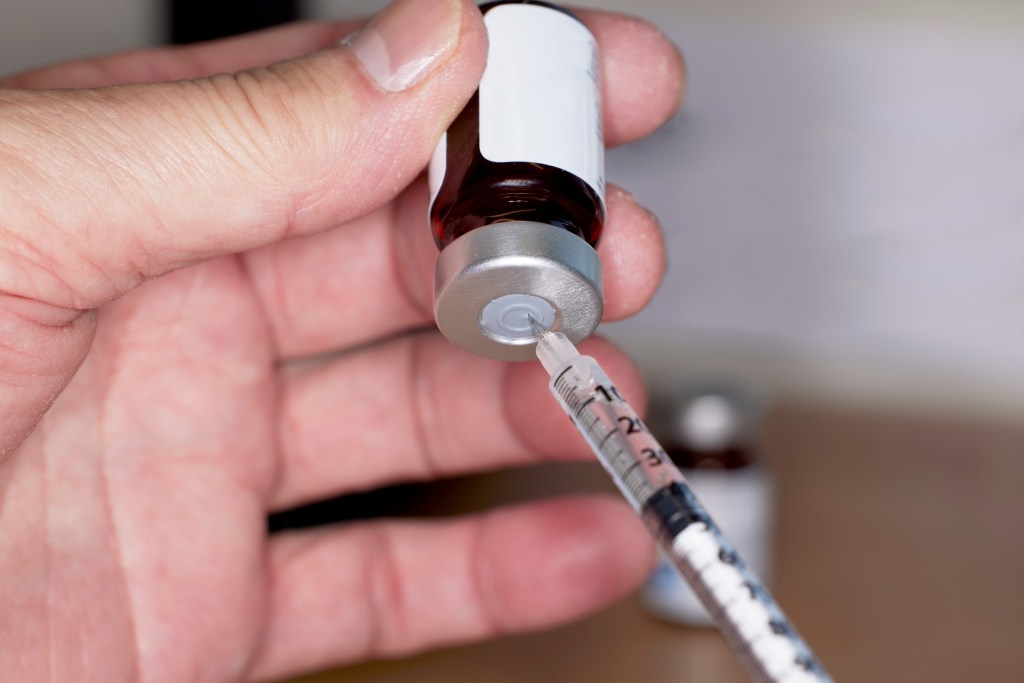
TRT stands for Testosterone Replacement Therapy and is a treatment which can be given to men who have been clinically diagnosed with low testosterone.
“Everything affects testosterone, whether that be poor sleep, high stress, a bad diet, not engaging in physical exercise regularly – and also having a negative mindset,” says Dr Stevens. It can also be due to a medical condition, an injury or illness.
“The premise behind Testosterone Replacement Therapy is normalisation of your testosterone levels to help facilitate health and well-being. Essentially what we’re trying to do with TRT is just restore that balance,” he explains.
This means that despite what many ads and influencers may tell you, your body is not supposed to have high levels of testosterone and therefore does not function well when it has too much.
So how do you know if you really need TRT and aren’t just being sold a product?
“The first starting point is to get a blood test,” says Dr Stevens. “That means a comprehensive blood screen to make sure that they qualify for TRT, but also looking to exclude and address other causes before commencing somebody on therapy,” he explains.
“A comprehensive blood screen can identify what’s going on, not only in your testosterone levels but also in other things that may be impacting those levels.”
At The Men’s Health Clinic, Dr Stevens says he then has a conversation with the patient to discuss ways to avoid going on TRT by discussing lifestyle changes that boost your testosterone levels. “Once the blood test is done – that leads to a conversation in looking at stress, sleep, nutrition, exercise, and mindset.”
What to watch out for when it comes to testosterone and TRT
Unfortunately, along with the positive impact of hormonal awareness, comes a boom in abuse in the market, so it’s important to always be wary when considering any medical treatment or supplementation of any kind.
Before going through with anything, you should ensure you have done significant research into the company offering it and sought advice from a medical professional. Anyone trying to push you to do something – especially if they’re bolstering or dampening your ego – isn’t likely someone you want to be trusting with your body.
Dr Stevens says that TRT should only be given if it’s clinically required. “I’m trying not to put men on Testosterone Replacement Therapy – it’s got to be done in an ethical way – and it’s got to be in their best interests,” he says.
“There are lots of online TRT companies out there now, and they’re very keen to put you on TRT and not showing due diligence and making sure that it’s actually in your best interest,” he says.
“The online companies will have you believe that you can get a cheap sort of simple test [to diagnose low testosterone] but the problem with a cheap simple test is it’s going to lead on to a more expensive test and it’s an upsell,” he explains. “Get a comprehensive blood screen from a doctor-led clinic, not an online TRT clinic that is just dishing out TRT like Smarties.”
“If you were a man with clinically low testosterone levels but you were drinking a bottle of whiskey every week, you have to address that, otherwise TRT’s going to be a waste of time because you need to have a holistic approach to health,” he explains.
“The guys that do best on testosterone replacement therapy are not seeing testosterone as a cure-all fix all, they’re seeing it as a foundation to allow them to put work in to feel good. Testosterone replacement therapy just gives you the capacity to work on those other aspects of health: like lifestyle, nutrition, exercise, and mindset.”
“Do everything that you can do to not need testosterone by looking at all of those four pillars,” says Stevens. “Then you need a second confirmatory test to see what changes have been made – and then if that shows you clinically need testosterone replacement therapy, it can be utterly life changing – and life-saving as well.”