
Experts say there’s nothing wrong with teen boys lifting weights, but they are concerned about the dangers of unhealthy relationships when it comes to body image and nutrition
WORDS: David Leck
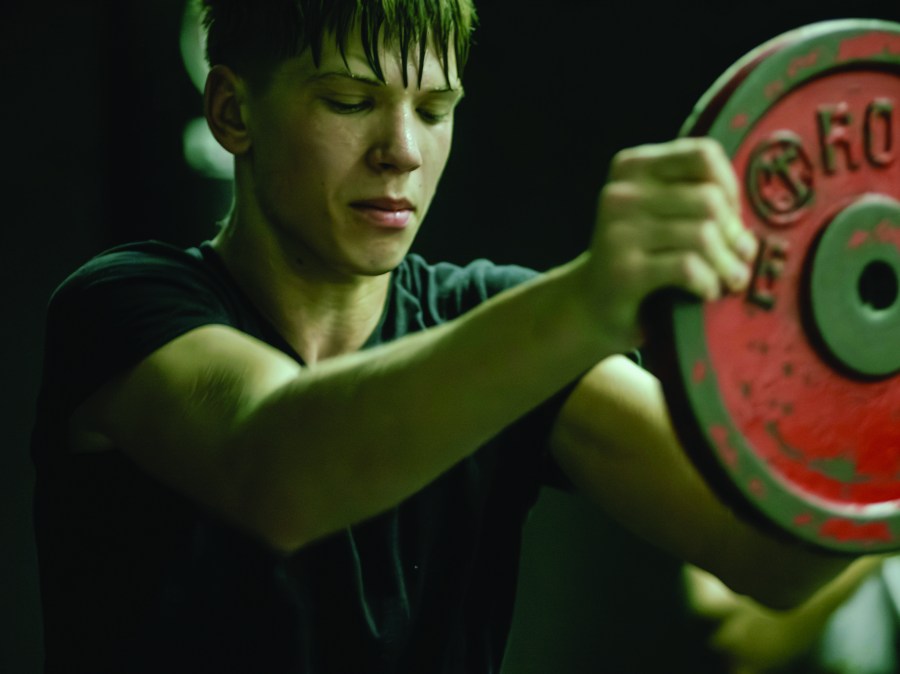
Lads as young as 13 are hitting the gym – and seriously. They’re throwing around terms such as “bulking” and “cutting” with the same ease with which their dads might have bantered over PlayStations, David Beckham and Kylie Minogue.
Fourteen-year-old George Holland was the youngest contestant in the under-19 category in the finals of the National Amateur Bodybuilders’. Complete with spray tan and a daily calorie intake yo-yoing between 2200 to 4100 in the bag, he walked off with the bronze medal. Speaking to BBC News, he dismissed the notion his diet, lifestyle and training is too much at an age when his body is still developing.
“I completely disagree. Going to the gym when you are young is dead good for you. It’s great for your mental health, your overall fitness, and it gives you discipline.”
Holland is not alone. Hop on TikTok and you’ll find no shortage of content in which young males are shown flexing biceps or lifting t-shirts to reveal a six-pack in development.
Is there anything wrong with teen boys lifting weights and craving a good physique? And, if you’re a teenage lad looking to find your way in a precarious world, you might be forgiven for thinking you can do no right. In a troubled and challenging climate in which economic and social success can feel out of reach, some experts believe, becoming super muscular is seen as their way of demonstrating hard work, dedication and discipline.
Risks and rewards
George Mycock is a PhD candidate at the University of Worcester, research associate at the University of Exeter, and founder of a mental health organisation [myominds.co.uk]. He has been at the forefront of research into the growing mental health concerns surrounding young men, gym culture and body image.
“It isn’t necessarily bad for someone young to be lifting weights but there are risks,” he says, adding fitness behaviours such as weightlifting aren’t inherently good or bad –they often bring both benefit and harm.
“Many young men struggling with eating or body image report gym habits negatively impacted their relationships and mental health and yet it also provided a strong sense of identity, discipline and self-worth. This isn’t a binary situation. People often call exercise the wonder drug but, like every drug, there are side effects.”
He compares the benefits of exercise to a medication that needs careful dosing and warns over-exercising – even when celebrated culturally – can be psychologically and physically harmful, especially for young people engaging in it without guidance or expert support.
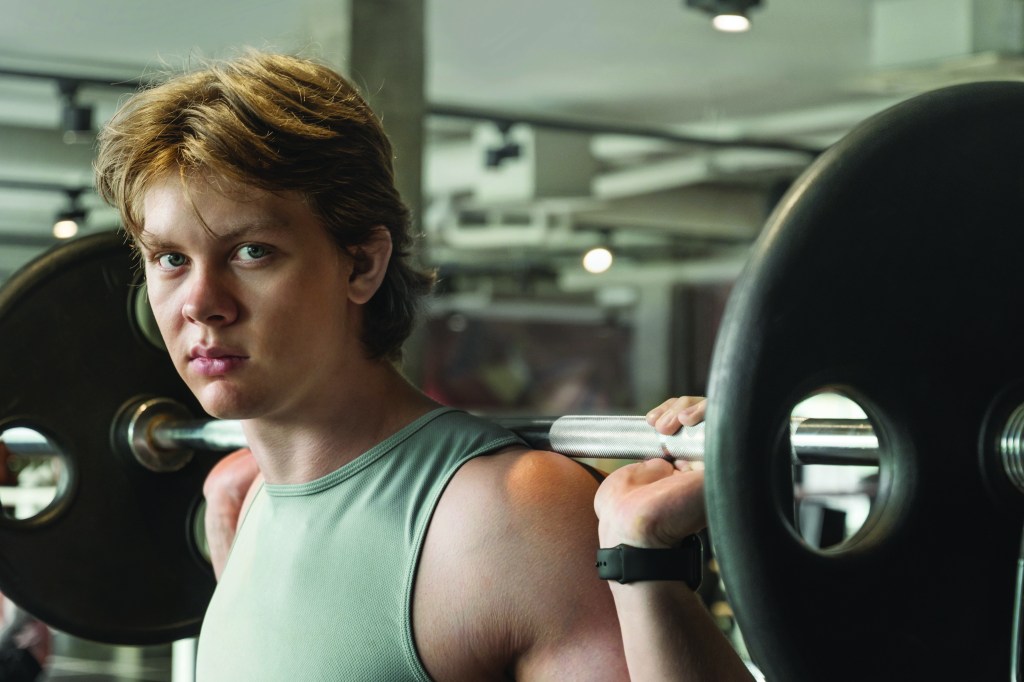
“For young people, workouts should be about exploring what their bodies can do and celebrating that as a journey of exploration,” says PT and former Men’s Fitness cover model Lawrence Price.
“The teenage years and early adolescence is a time to move with curiosity – to lift in a controlled manner, run faster, jump higher, learn skills and, crucially, enjoy the process – rather than getting stuck in a revolving door of aesthetic comparisons.
“Social media can make this tough for boys facing a range of expectations. Highlight reels and perfectly chiselled physiques are frequently unrealistic but we often place them on some higher pedestal above all the other benefits of a fitness-led lifestyle. Training isn’t about measuring up to someone else. Yes, be inspired by others but, ultimately, it’s about building your own foundation to live from,” adds Price.
“That’s the lesson we should be giving lads because, even in my industry, people get caught up in ‘fitness for fitness’s sake’. I’ve never believed in ‘living to train’; I’m more of a ‘train to live’ kind of guy. The gym should add more to your life, not take it over. It should be about making you feel more confident, capable and alive – not just change how you look. The way I see it, aesthetics are simply a by-product of that work.”
Real men
Then, of course, there’s the question of how masculinity-motivation might drive young men to hit yet another leg day. And in a world in which men are often found questioning their role [and seeing labels such as ‘toxic masculinity’ thrown around], is there anything wrong with masculinity as shown through the pursuit of physically improvement?
“Some men desire a muscular physique as a way to reinforce their masculinity,” says George Mycock. “One of the most consistent research findings is that this is frequently rooted in a sense of masculine deficiency. The muscular body becomes a tool to prove strength, discipline and success.”
He also points to social media as a major amplifier of body ideals, portraying extreme physiques as not just aspirational but normal and expected. He criticises fitness influencers for promoting one-size-fits-all advice, often without nuance or scientific backing.
“There’s not a great deal of subtlety when it comes to social media. People’s physiology is just different. If I did exactly what Cristiano Ronaldo does every day for the next year, I wouldn’t look like him. That’s a fact.
“We need to move away from comparison culture, advocating instead for young people to understand fitness and nutrition are both integrated and deeply individual. Promoting this message, however, is difficult in a world driven by results-focused content.”
While the old idea ‘weightlifting stunts growth’ has largely been debunked, George Mycock warns young gym-goers are still vulnerable to injury and disordered thinking, particularly whenlifting heavy without proper form, fuel or guidance.
Good nutrition
Lucy Upton is a paediatric dietitian with 15 years’ experience working for the NHS and in private practice.
“It’s essential to remember teenagers are not just small adults when it comes to nutritional needs and requirements. They are in a sensitive time for growth and emotional development around both their bodies and relationship with food.
“Dieting behaviours can have a ripple effect on nutritional health as well as physical and mental wellbeing that lasts well into adulthood.”

Upton takes as an example the practice of ‘bulking and cutting’. She cautions: “Weight changes can put stress and strain on the body and cutting calories risks slowing growth, impairing concentration and impacting mood. On the other hand, bulking may encourage overeating beyond the body’s own internal cues, leading to the consumption of poor-quality foods in a bid to hit calorific targets. That can impact long-term metabolic health.”
She is also in accord with others when it comes to the pressures of social media.
“My worry is so much social media promotes unrealistic, edited or enhanced bodies that teenagers may aspire to but this has, as a result, a detrimental effect on them physically and mentally.
“We need to encourage messaging that supports overall health and balance, rather than being solely driven by looks or what young people are being told and shown is the ‘perfect’ physique.
“We know adolescence is a key time for body image concerns and pressure to conform, and what may seem like harmless training or dietary changes can rapidly evolve into something more unhealthy or unsustainable.
“It’s also important to remember teenagers are still developing the critical thinking part of their brain, so they can get pulled into trusting and adhering to advice given out by those who lack qualifications.”
Doing it right
Lawrence Price believes exercise and working out are great disciplines for any young person to adopt, as long as it’s for the correct reasons.
“The gym is a place to build the physical and mental tools that let you do more in real life – whether that’s feeling sharper at work or school, playing sport better, or just having more energy and self assurance to show up for the people and things that matter to you the most.
“My advice to any young person starting out is to use fitness to build confidence and functional capability. Stay curious, learn proper form and – remember – your body isn’t a project to perfect; it’s a vehicle for experiencing life to its fullest.
“There’s a great quote from Ram Dass: ‘You don’t worship the gate; you go into the inner temple.’ The gym is the gate – a place to learn discipline, resilience and self-assurance, but the real growth happens when you take those lessons beyond it – and beyond any unrealistic ‘ideal’ pedalled on TikTok or Instagram.”