
What does it take to complete seven Ironman triathlons in seven continents in just 21 days? Spencer Matthews talks the highs and lows of his record-breaking feat
After 21 days, seven continents, and a challenge that tested him like never before, Spencer Matthews says the emotion rising strongest is pride. The 37-year-old completed his first full-distance Ironman-format triathlon just weeks before, and now he’s completed seven – on seven continents – setting a Guinness World Record and raising awareness for James’ Place, a men’s suicide-prevention charity. Here, Spencer reveals to Men’s Fitness the highs, lows, fears, recovery, and what comes next.
Men’s Fitness: How prepared did you feel once the challenge actually began?
Spencer Matthews: I knew I was physically fit, but I’d never done an Ironman before, so there were definitely doubts – though doubt isn’t very helpful when you’re heading into battle. That first race in London was a shock, simply because it was my first time putting all three disciplines together over that distance. I came out battered but without injuries, which gave me confidence heading into Arizona.
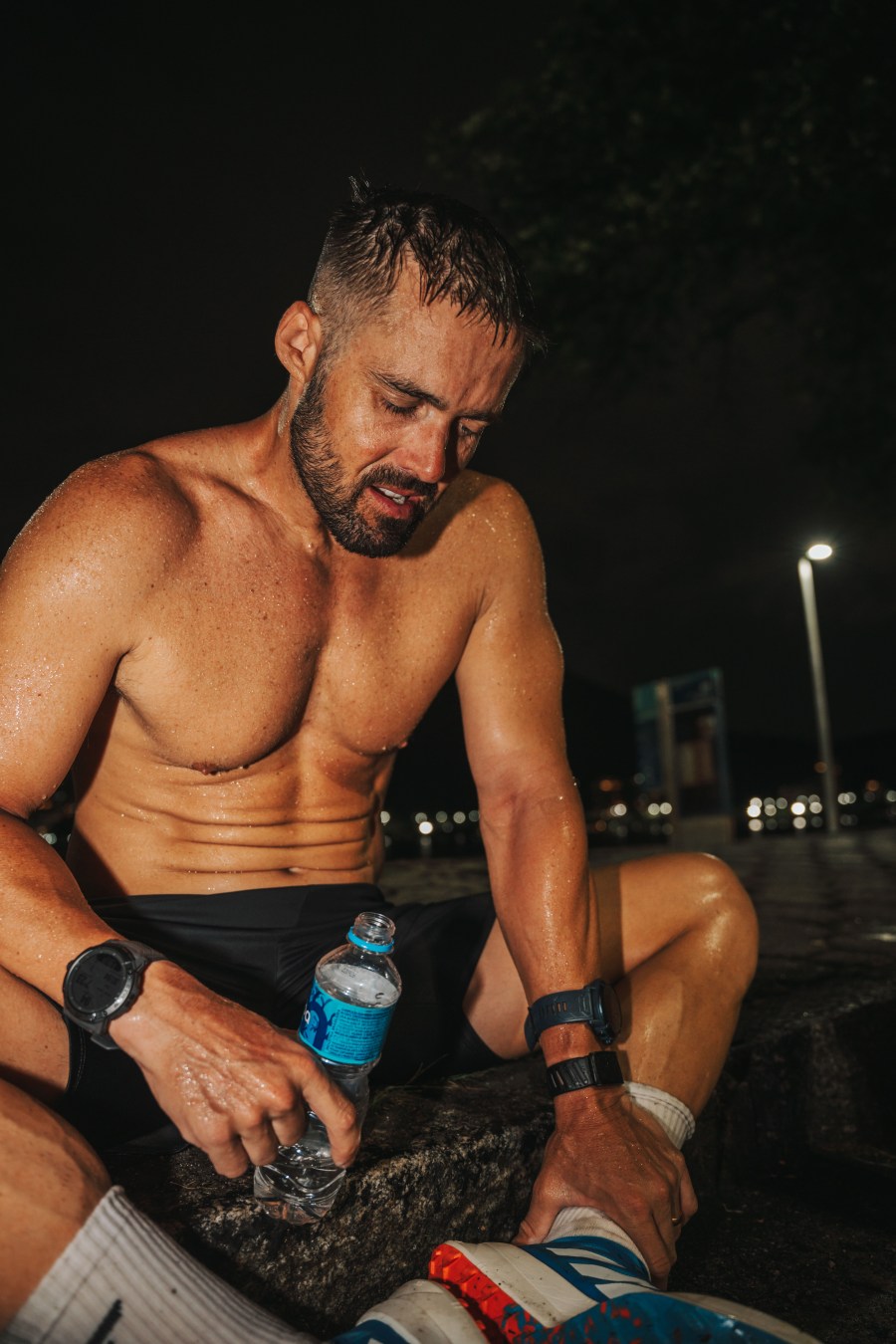
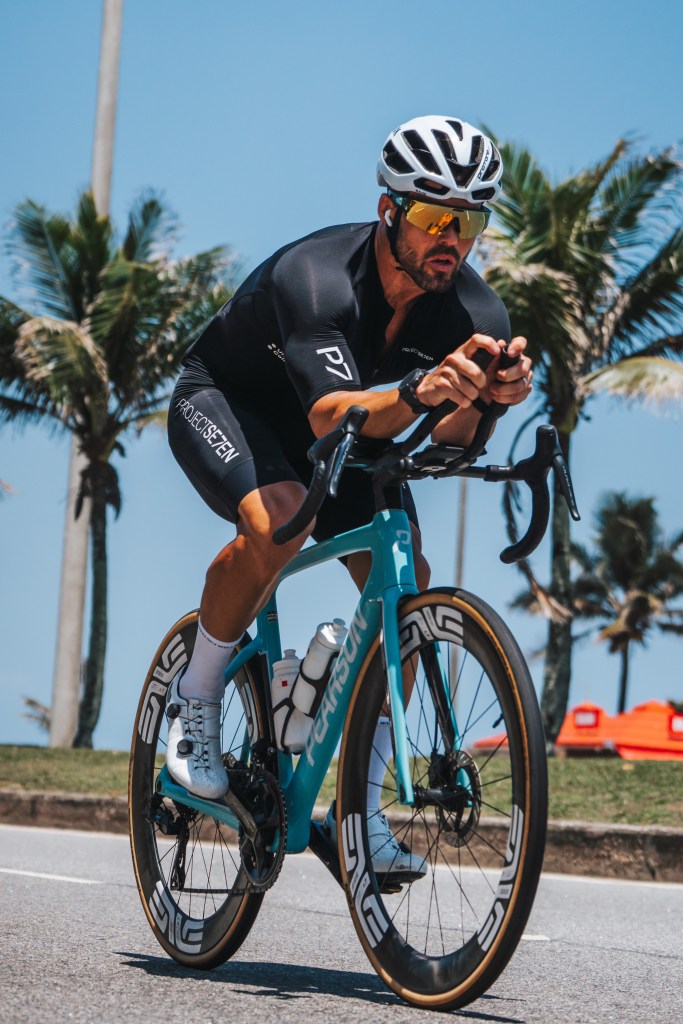
Once I’d ticked off the first one, I realised I had the distance “in the tank”. But as a friend who’s done a few Ironmans said to me: it’s all highs and lows. I’m not fit enough to “enjoy” an Ironman in its entirety – and I’m not sure many people are. It’s a long day out: swim 40 football pitches, bike from London to Manchester, then run a marathon. When you add seven continents, time zones, no sleep… of course there will be some serious lows.
MF: What kept you going?
SM: The cause kept me going. We’ve raised awareness and funds for James’ Place, which saves lives in real time. Suicide is the leading killer of men under 50 in this country – that’s tragic and, in many cases, preventable. Pair that with the adventure side of this project, and it becomes a win-win: meaningful work and something that makes me feel alive.
MF: When we spoke before the challenge you said the Antarctic swim was your biggest fear. Did it live up to that?
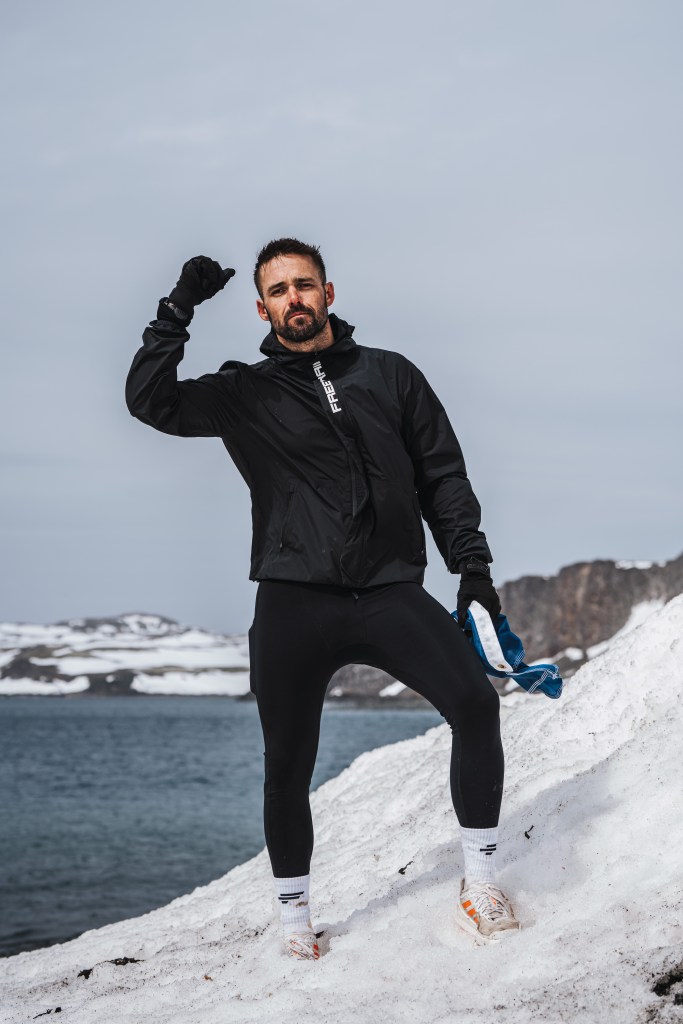
SM: Absolutely. I’d spent nine months worried about it. My wife could tell – it was always on my mind. I’d sit in my ice bath at home for five minutes at zero degrees and think, how on earth am I going to swim for 90 minutes in Antarctica? The briefing the night before didn’t help. There were spotters for leopard seals, boats tied to each other “in case someone gets dragged under.” I asked one guy, dead serious, what would happen if I swam there alone. He just said, “You wouldn’t come back.” Not ideal pre-race chat.
MF: How was the swim itself?
SM: Brutal. The wetsuit was 13mm thick and designed for survival, not movement – like wearing resistance bands over every limb. My face and hands were freezing, my body was boiling. I couldn’t wait to get it off. When Chris peeled it off afterwards, he couldn’t believe how hot my body was in −18°C wind chill. Finishing that swim was the biggest high of the whole challenge. Relief doesn’t cover it.
MF: What did you learn about recovery – anything that surprised you?
SM: I had physio after every race, even when I had no niggles. It made a massive difference to how fresh my legs felt the next morning. I ate constantly – huge meals, four or five Huel Black Editions a day. I honestly thought I might come back heavier. But the main superpower is sleep. If you can sleep well, most recovery takes care of itself. Sleep and calories – that’s the magic combination.
MF: Any injuries or mechanical issues along the way?
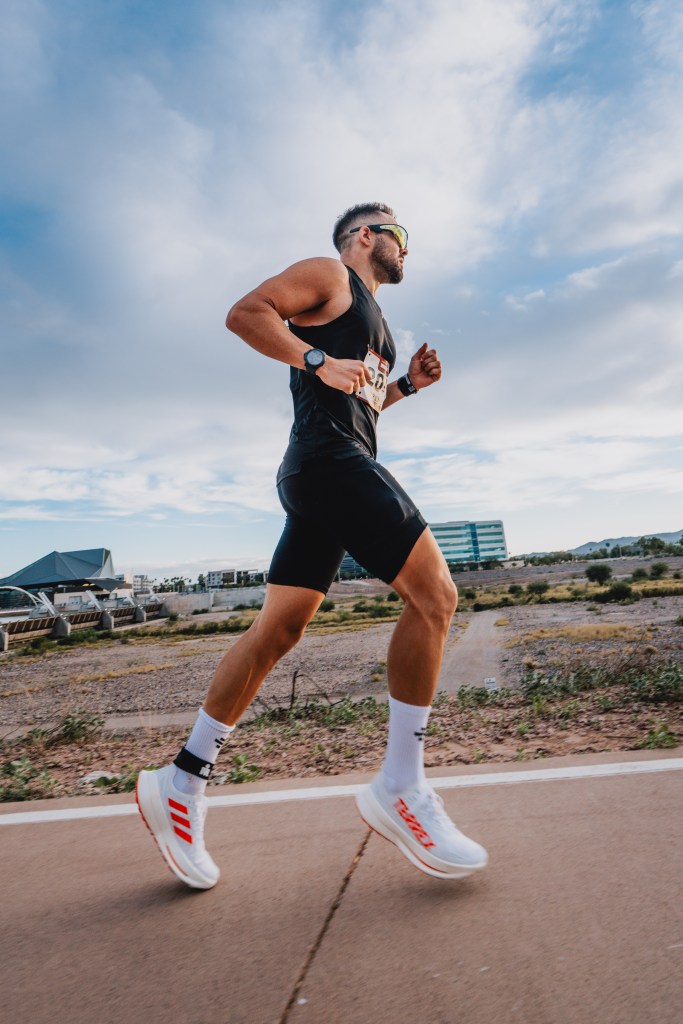
SM: None. And that, to me, is remarkable. It shows how incredible the human body is at withstanding strain. These aren’t all-out efforts – you’re not running a 2:30 marathon. The pace is slower, so you can manage niggles before they become injuries. But still, finishing seven Ironmans on seven continents without a niggle feels unbelievable. Also, doing an official Ironman in Arizona showed me just how extraordinary elite triathletes are. The winner averaged 44 km/h on the bike into a headwind and ran a 2:36 marathon. It’s mind-blowing. There are levels to this.
MF: Your family surprised you at the finish. How did that feel?
SM: Amazing. Sarah organised it, and it was just beautiful. I’d missed my kids like crazy. Part of the reason I do things like this is for them – I want to set an example, show them the value of doing difficult, uncomfortable things, especially given how fortunate their lives are. They’re always in the back of my mind. Becoming a parent changes your “why” completely.
MF: And what’s next? Have you even had time to think about it?
SM: Not really. I’m trying to stay in the present- something I learned over the course of Project 7. When you’re doing something this big, you can’t think about the finish line; you just keep putting one foot in front of the other. That said, I’d love to run up and down Kilimanjaro as fast as possible – maybe in around 12 hours. Nothing on the scale of this challenge, but something fun with the lads. As for another big project, I’m sure something will come up organically.
• To support Spencer Matthews’ Project 7 and James’ Place head to https://www.instagram.com/spencermatthews/?hl=en