

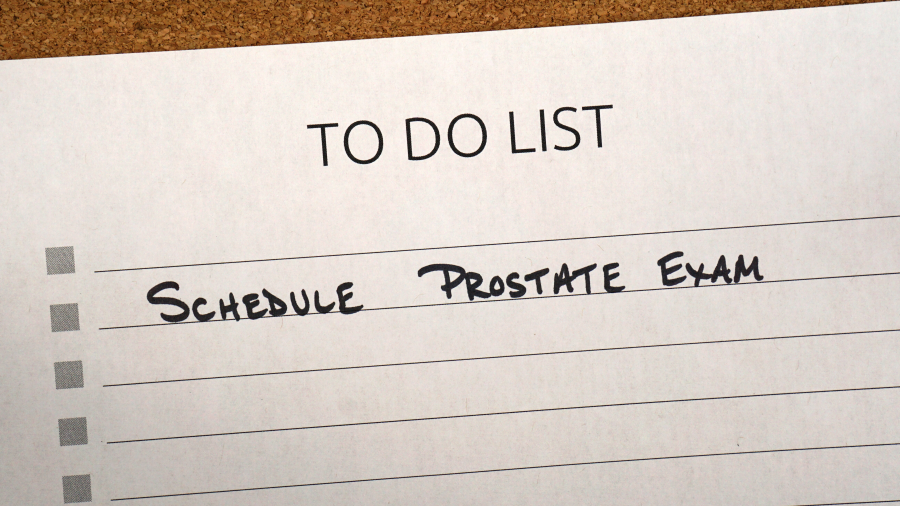
New data shows men are waiting too long to act. Here’s how to spot the warning signs of prostate cancer — and what to do next
There’s a certain mindset that comes with staying fit into your 50s. You push through discomfort. You don’t complain. You adapt. It works in the gym. It works in life.
But when it comes to your prostate, that same mindset can quietly work against you.
Because prostate problems don’t usually arrive with a bang. They creep in — gradually, subtly — until the changes feel normal. An extra trip to the bathroom. Waking in the night. Slowing your day around where the nearest toilet is.
And then, before you realise it, you’ve adapted your life around a problem you never actually addressed.
New data from St John & St Elizabeth Hospital suggests exactly that is happening. A noticeable spring surge in prostate treatments points to men delaying action for months — even years — before finally seeking help, often when symptoms begin to interfere with daily life.
It’s not that men don’t notice the changes. It’s that they tolerate them.
Consultant urological surgeon Leye Ajayi sees it all the time: “Many men adapt around urinary symptoms without realising how much their quality of life has changed.
“They cut back fluids, plan their day around toilet access and accept disrupted sleep as something they just have to live with… these are common symptoms, but they should not be ignored.”
That word — adapt — is doing a lot of heavy lifting. Because what feels like coping is often just quiet avoidance.
The signs you tell yourself don’t matter
Most prostate symptoms are easy to downplay. You tell yourself it’s just age. Or stress. Or too much water before bed.
But the pattern matters. Needing to urinate more often — especially at night. Struggling to start, or noticing a weaker flow. That lingering feeling you haven’t quite emptied your bladder.
None of these are dramatic. But together, they paint a picture. And crucially, they tend to get worse, not better.
As Ajayi puts it: “Waking several times a night to urinate may be common, but it is not something men should simply put up with… seek advice — not when things become unbearable.”

Why waiting Is the real risk
Here’s the part most men underestimate: prostate enlargement is progressive. Ignoring it doesn’t stabilise things — it allows them to develop.
In some cases, that can mean acute urinary retention — a sudden inability to pass urine and a genuine medical emergency. In others, it can lead to infections, bladder stones or even kidney damage.
And then there’s prostate cancer, which in its early stages can exist with few, if any, obvious symptoms at all.
That’s why early action matters. It’s also why voices like Tim Campbell — diagnosed with prostate cancer at just 38 — have become so important in pushing men to stop staying silent and start getting checked.
The check everyone avoids
Let’s be honest — this is where most men hesitate. Checking your prostate isn’t complicated. But it does carry a stigma that puts people off. In reality, it comes down to two straightforward steps.
A PSA blood test is quick and non-invasive — often the first port of call. It measures levels that can indicate whether something needs further investigation.
Then there’s the digital rectal exam. Brief, clinical, and over in seconds — despite the reputation it carries.
Avoiding these checks out of embarrassment might feel easier in the moment. But it’s a short-term decision with long-term consequences.
Changing the narrative
One of the biggest shifts in recent years is in treatment itself. For decades, fear of side effects — particularly around continence and sexual function — has kept men away from seeking help.
But that landscape is changing. Treatments like Aquablation therapy use precise, robotic, heat-free technology designed to relieve symptoms while preserving quality of life.
As Ajayi notes, effective options are now available — and age alone should never be a reason to avoid getting checked.
What strength really looks like
If you’re serious about your health, this is part of it. Not just training hard. Not just eating well.
But paying attention to what your body is telling you — even when it’s subtle, even when it’s uncomfortable to address. Because ignoring symptoms isn’t toughness. It’s risk.
The takeaway is simple: don’t wait until your life has already been reshaped around a problem. Act when the signs first appear. Get a baseline check. Have the conversation.
Because the strongest move you can make in your 50s isn’t pushing through something. It’s knowing when not to.